
REVIEW · LAZIO, ITALY
Roman Pasta making class
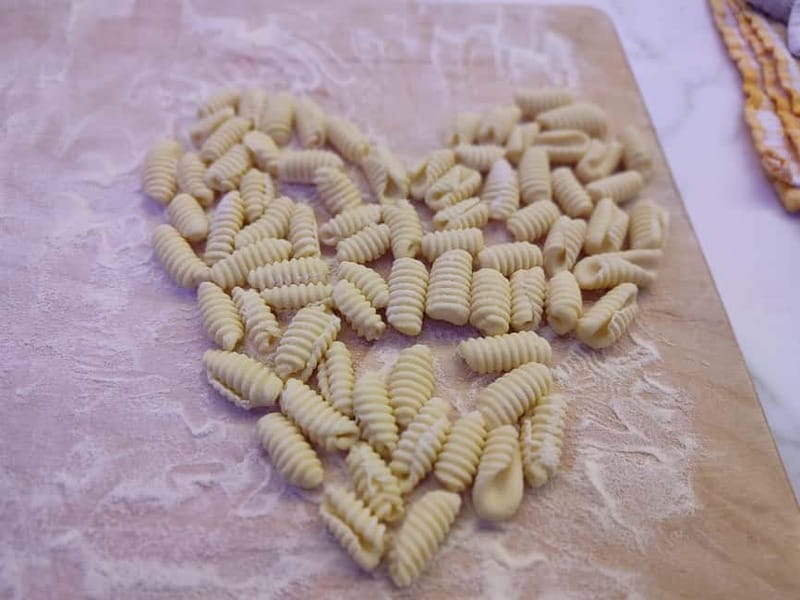
Bring your appetite to Rome. This 2.5-hour pasta class gives you a practical way to meet Italian food traditions through your own hands. I like the chance to make three different pastas from scratch, and I also like that the meal includes both red and white Italian wine, dessert, and the food you prepare.
The small group, limited to 10 people, should make it easier to follow the chef and ask questions. The main consideration is the price: at $117 per person, this is not a cheap lunch. You are paying for instruction, food, drinks, recipes, equipment, and the social setting, so it offers better value if you want an activity rather than only a meal.
Key things to know before booking
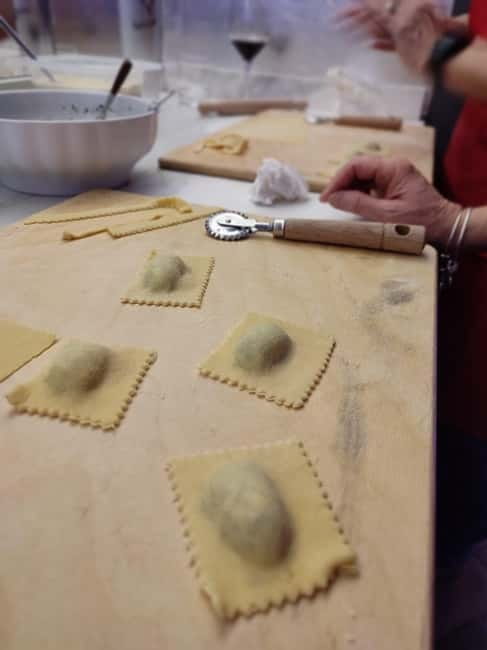
- Three hands-on pasta styles: Make filled ravioli, soft gnocchi, and hand-shaped cavatelli from scratch.
- Two classic Roman sauces: Learn cacio e pepe with Pecorino Romano and black pepper, plus Lazio-style amatriciana with guanciale, tomatoes, and Pecorino.
- Wine is part of the meal: Enjoy selected Italian red and white wines with the pasta you prepare.
- Small class size: A maximum of 10 participants gives the lesson a more personal feel than a large cooking demonstration.
- Useful take-home extras: You receive downloadable recipes and a small keepsake from the brand.
- Flexible booking terms: You can cancel up to 24 hours before the class for a full refund, and reserve now while paying later.
What the 2.5-hour Roman cooking class feels like
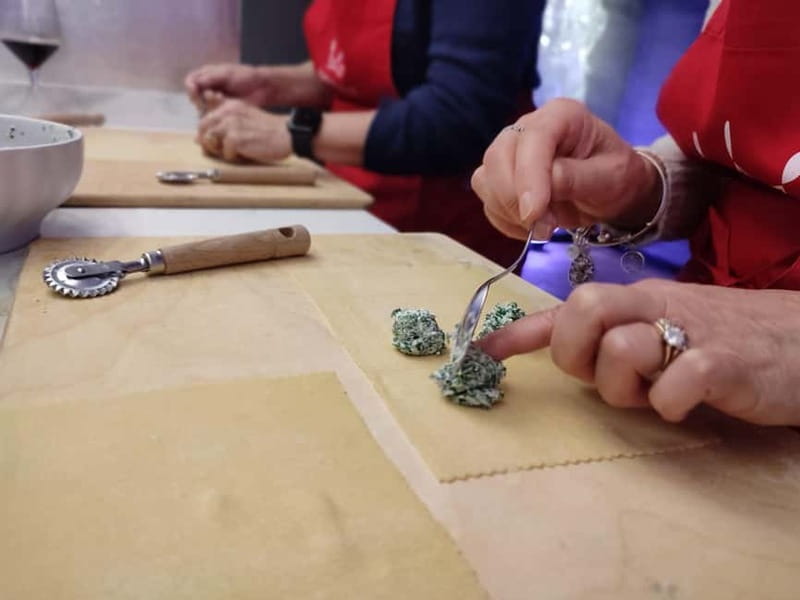
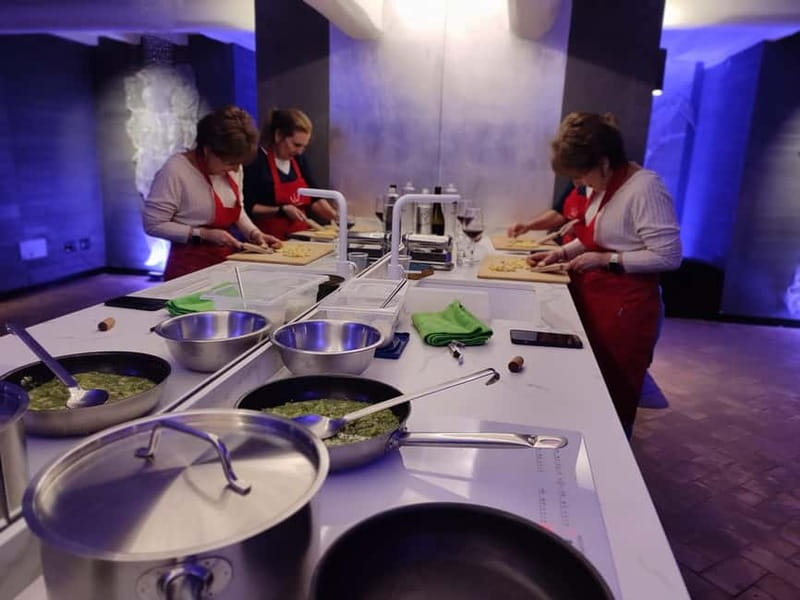
This class is built around participation. You are not simply watching a chef prepare lunch while you sit at a table. You should expect to knead, roll, shape, and fill pasta under instruction, with flour likely becoming part of your clothing and your travel story.
The class welcomes beginners, families, food-focused visitors, and groups of friends. No previous cooking experience is required. That matters in a pasta class because handmade dough can look simple until you try to get the texture right. A chef who guides you through each step can save you from producing pasta that is too thick, too dry, or difficult to shape.
The setting is described as cozy and exclusive, with a focus on Roman hospitality. The exact address and layout are not provided, so you should check the meeting details carefully before booking. The class is offered in English and Italian, which makes it suitable for many international visitors, though the language you select may affect how easily you follow the demonstrations.
With only 10 places, you should have a better chance of seeing what the chef is doing and getting help with your dough. Small does not always mean private, but it is a useful middle ground between a one-to-one lesson and a crowded food demonstration.
More Pasta Making Classes in Rome
- 3 in 1 Cooking Class near Navona: Fettuccine, Ravioli & Tiramisu
★ 5.0 · 7,376 reviews - Rome: Pasta Making Class with Wine, Limoncello, and Dessert
★ 4.9 · 3,177 reviews - Rome Cooking Class: Make Pasta and 3 Spritz Cocktails
★ 5.0 · 2,937 reviews
Ravioli: the careful part of the lesson
Ravioli is likely to be the most detailed of the three preparations. You need to roll the dough thin enough for a pleasant bite, add filling without overstuffing, and seal the edges firmly. Too much filling can split the pasta. Too much flour can make the dough tough or prevent the edges from sticking.
That is where a hands-on class earns its keep. You can ask questions at the moment the dough gives you trouble, rather than trying to solve the problem later from a recipe sheet. The lesson also gives you a better feel for the difference between pasta made by hand and dried pasta from a shop.
The description does not specify the ravioli filling, so you should not expect a particular ingredient. If you have food restrictions, tell the organizer in advance. Vegetarian options and dietary accommodations are available when arranged ahead of time, but you should not wait until the class begins to raise the issue.
Gnocchi: soft dough and simple technique
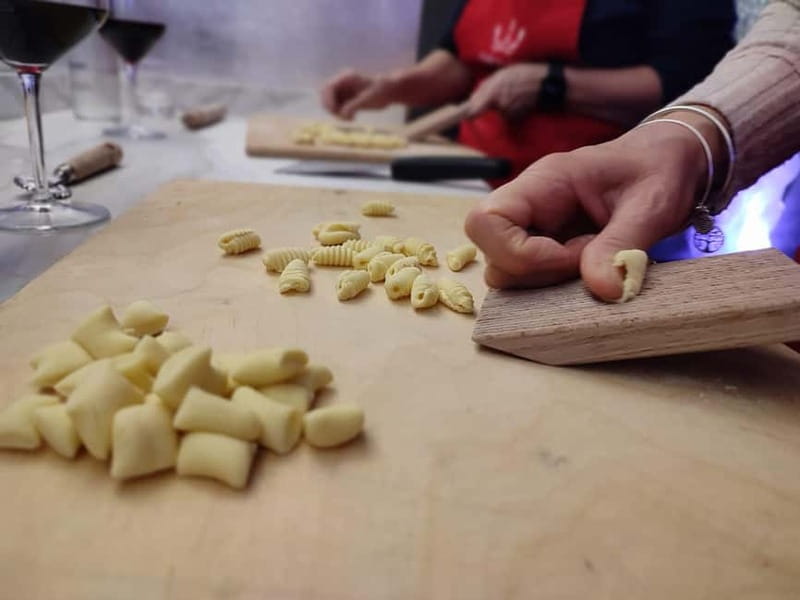
Gnocchi brings a different kind of work to the table. Instead of rolling a thin sheet and sealing parcels, you shape small pieces of dough into soft dumplings. The goal is lightness. Heavy, dense gnocchi can overwhelm a sauce, while properly handled gnocchi should feel tender.
The class description calls the gnocchi pillowy, which gives you a useful idea of what the chef is aiming for. You will learn by touch as much as by sight. That is one reason a cooking lesson can be more useful than a recipe alone. Written instructions can tell you what to add, but they cannot fully show you when dough feels ready.
The exact shaping method is not listed, so the chef may choose the technique that works best for the group. You should see this portion as a chance to learn a repeatable method rather than produce restaurant-perfect pieces on your first attempt.
Cavatelli: the hand-rolled Roman favorite
Cavatelli gives the class its most tactile pasta shape. You roll and form the dough by hand, creating small pieces designed to hold sauce. It is a good choice for beginners because you can understand the basic idea through repetition: cut, shape, and place.
You may find this the most relaxed portion of the class. Ravioli demands neat edges, while gnocchi depends on a light touch. Cavatelli lets you focus on the rhythm of shaping and on how a simple form can carry sauce well.
Making cavatelli also connects the class to everyday Italian home cooking. The point is not complicated equipment or rare ingredients. It is learning how flour, water, and a few traditional methods become a meal. All necessary equipment is provided, so you do not need to bring pasta tools with you.
Same place, a different thing to cook:
- Rome: 3-in-1 Fettuccine, Ravioli, and Tiramisu Cooking Class
★ 4.9 · 2,704 reviews - Rome: Fettuccine Pasta Cooking Class in Rome’s City Center
★ 4.8 · 2,414 reviews - Fettuccine & Tiramisù: Cooking Class with Wine & Limoncello
★ 4.9 · 2,103 reviews - Pasta Cooking Class Near the Colosseum with 3 Spritz Cocktails
★ 5.0 · 1,686 reviews
Cacio e pepe and amatriciana bring the sauces to life
Pasta needs a sauce that respects its shape. This class teaches two well-known Roman and Lazio preparations, each with a very different personality.
Cacio e pepe uses Pecorino Romano and freshly cracked black pepper. Its ingredient list is short, but that does not make it foolproof. The cheese needs to combine with the pasta water in a smooth way rather than turning lumpy. You will learn why a simple Roman sauce depends on timing and technique.
Amatriciana is more savory and full-bodied. It combines guanciale, tomatoes, and Pecorino cheese. Guanciale, made from cured pork cheek, provides the salty, meaty flavor associated with the sauce. The tomato gives it brightness, while Pecorino adds a sharp finish.
The two sauces also help you understand an important Italian cooking lesson: good food does not need a long ingredient list. It needs proper handling of a few strong ingredients. The chef is expected to explain the methods, background, and small tips that make these dishes work at home.
The description does not say exactly which sauce goes with each pasta. That may be decided during the class based on the chef’s plan and the group’s progress. You will still leave with experience in two central Roman recipes, plus downloadable recipes for later use.
Lunch, wine, and dessert are part of the value
At the end, you eat what you have made. That changes the mood from lesson to shared meal. You get to see how the pasta behaves after cooking, taste the sauces, and compare your finished shapes with the original dough.
Selected white and red Italian wines are included. Having both styles available is a pleasant touch because the meal can move between lighter pasta flavors and the stronger notes of amatriciana. The offer includes lunch and drinks, but extra drinks are not included. If you expect a long afternoon of ordering additional wine or other beverages, set aside money for that.
Dessert is also included. No specific dessert is named, so you should not book this expecting a particular Roman sweet. Still, finishing with dessert means the $117 price covers more than a short lesson and a small tasting.
I see the strongest value in the full package: instruction, food, wine, dessert, equipment, recipes, and a keepsake. If you only want to eat handmade pasta, a restaurant may cost less and take less time. If you want to learn a skill and enjoy a social meal, the price is easier to justify.
The chef makes the difference
A cooking class rises or falls on the person leading it. The chef needs to explain clearly, keep several pasta preparations moving, and help beginners without making experienced cooks feel held back.
One named guide connected with this class is Monica Sênior. A verified participant from Brazil described Monica as kind, friendly, and an excellent professional, giving the class a full five-star rating. The feedback is especially useful because it praises Monica’s personal manner, not just the food. Still, only two ratings are provided, so I would treat the perfect score as encouraging rather than final proof of consistency.
You may not have Monica as your instructor, since chef assignments can vary. If she is leading your session, her warm and professional approach is a promising sign. In any case, the small group and English or Italian instruction should help the chef give the session a personal feel.
Who will enjoy this pasta class most
I would recommend this class to anyone who wants a food activity with a clear result. You make something, eat it, and take the recipes home. That is more satisfying than a demonstration if you like to stay busy.
It should work well for:
- First-time pasta makers who want close guidance
- Families looking for a hands-on activity
- Friends who prefer a shared meal to a formal sightseeing stop
- Couples interested in Roman food traditions
- Home cooks who want to improve their ravioli, gnocchi, or cavatelli
- Visitors who appreciate wine with lunch
The class may be less suitable if you dislike flour on your hands, want a quiet meal, or have very strict dietary needs that cannot be accommodated. Vegetarian options are available, but you must provide food restriction details in advance. The available information does not specify every possible allergy accommodation, so ask before confirming if your needs are serious.
It is also worth noting that this is a cooking lesson, not a general Rome sightseeing activity. You will not be visiting Roman monuments as part of the class. It is best placed on a day when you want a break from churches, ruins, and museums.
Timing, language, and booking details
The class lasts 2.5 hours. That is long enough for several pasta preparations and a meal, but short enough to fit into a busy Rome schedule. I would avoid placing it immediately before a timed attraction, since cooking can run on its own pace and you will want to allow time for arrival and departure.
English and Italian are the available languages. If you book in English, you should be able to follow the chef’s instructions without needing cooking experience. If you are comfortable in Italian, the class may offer an extra chance to practice everyday food vocabulary.
You can reserve the class and pay later, which helps if your Rome schedule is still changing. Free cancellation is available up to 24 hours before the start time. Check the available starting times before booking, since the class does not list one fixed daily schedule.
The group is limited to 10 people. That limit is important here. Pasta shaping is easier when the chef can look at your work and correct it before you move on. A large group would make the lesson feel more like a show, while this format should keep you involved.
Small extras that make the class more useful
The downloadable recipes are one of the most practical inclusions. A pasta class can be fun in the moment, but its long-term value depends on whether you can repeat the dishes at home. Recipes for the pasta and sauces give you a way to turn the Rome memory into another meal.
The equipment is included, so you do not need to pack tools or buy supplies. That keeps the activity simple for people on a short visit. The small brand keepsake is not the main reason to book, but it adds a modest physical reminder of the class.
I also like that the menu includes several forms of dough rather than one repeated recipe. Ravioli teaches filling and sealing. Gnocchi teaches soft dough and careful shaping. Cavatelli teaches hand-rolling and repetition. In one session, you see how different Italian pasta styles require different skills.
Should you book this Roman pasta class?
Book it if you want to learn while you eat. The combination of three handmade pastas, two Roman sauces, Italian wine, dessert, recipes, and a 10-person maximum gives the class real substance. Monica Sênior’s praise for kindness and professionalism is another encouraging detail, though the small number of ratings calls for reasonable expectations.
Skip it if your main goal is the least expensive lunch or if you would rather spend your Rome hours at major sights. At $117, the value comes from the complete activity, not simply from the plate of pasta.
For most food-loving visitors, this is a well-shaped half-day addition to a Rome itinerary. Tell the organizer about dietary needs ahead of time, confirm the start time, and arrive ready to work with your hands. The flour may travel farther than expected, but that is part of the lesson.
FAQ
How long does the Roman pasta making class last?
The class lasts 2.5 hours.
How much does the class cost?
The price is $117 per person.
Which pastas will I make?
You will make ravioli, gnocchi, and cavatelli from scratch.
Which sauces are included in the lesson?
The class teaches cacio e pepe with Pecorino Romano and black pepper, plus amatriciana with guanciale, tomatoes, and Pecorino cheese.
Is lunch included?
Yes. Lunch, drinks, and dessert are included.
Is wine included?
Yes. The meal includes selected Italian red and white wines. Extra drinks are not included.
Are cooking tools provided?
Yes. All equipment needed for the lesson is provided.
Will I receive the recipes?
Yes. Downloadable recipes are provided at the end of the session.
What languages are available?
The class is offered in English and Italian.
Can I cancel the booking?
Yes. You can cancel up to 24 hours in advance for a full refund. You can also reserve now and pay later.
Just added around Rome
- Testaccio: Home Cooking Cacio e Pepe, Amatriciana, Carbonara★ 4.9 · 57 reviews
- Super Fun Pasta and Gelato Cooking Class by the Vatican★ 5.0 · 6 reviews
- Spritz and Spaghetti Traditional Cooking Class in Rome★ 4.9 · 30 reviews
- ROME:Hands-On Lasagna & Marsala Tiramisu Cooking Experience”★ 5.0 · 3 reviews
- Rome: Trastevere Pasta Making Class★ 4.9 · 33 reviews
- Rome: Vatican Food Tours, Cooking classes & Free Tours★ 4.9 · 11 reviews
- Rome: Traditional Pasta and Tiramisu Cooking Class★ 5.0 · 4 reviews
- Rome: Small Group Pasta cooking class near Piazza Navona★ 4.9 · 8 reviews
Pasta Making Classes, compared.


3 in 1 Cooking Class near Navona: Fettuccine, Ravioli & Tiramisu
Read our review →
Pasta & Tiramisu Cooking Class with Unlimited Wine
Read our review →
Pasta Making Class with Wine, Limoncello, and Dessert
Read our review →
Rome Cooking Class: Make Pasta and 3 Spritz Cocktails
Read our review →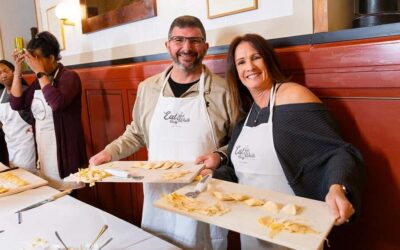
3-in-1 Fettuccine, Ravioli, and Tiramisu Cooking Class
Read our review →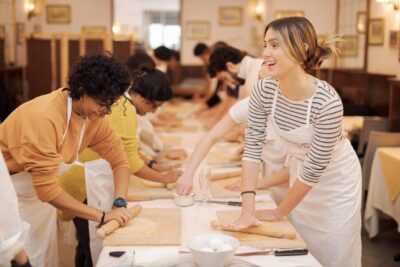
Fettuccine Pasta Cooking Class in Rome’s City Center
Read our review →Lists this class appears in