
REVIEW · APULIA, ITALY
Polignano a Mare: Pasta Making Cooking Class with Drink
Fresh pasta is better when you make it yourself. This two-hour class in Polignano a Mare teaches you to shape orecchiette and cavatelli with a local cook, then eat the pasta with wine and Apulian snacks. I like the small, friendly feel and the chance to learn techniques you can repeat at home. The main consideration is that you may not prepare every part of the meal yourself, especially the dough and sauce.
The setting, a typical house at Via S. Vito 20 in Polignano’s historic center, gives the class a more personal feel than a large demonstration kitchen. I also like the generous social side: taralli, preserved vegetables, seasonal greens, focaccia, olives, wine, and sometimes limoncello turn the lesson into a relaxed meal. At $77 per person, it is fair value if you want instruction, food, drinks, and local conversation in one compact experience, though some people may find it costly for two hours.
Key points before you book
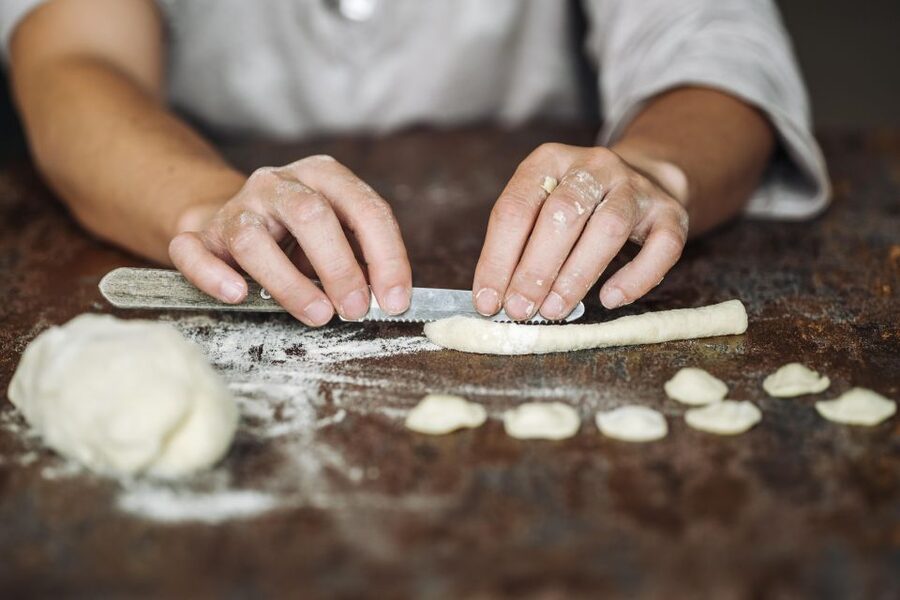
- Two classic Apulian shapes: You learn the ear-shaped orecchiette and the ridged, short cavatelli.
- Local teachers make the difference: Annamaria and Daniele are repeatedly praised for patience, humor, clear English, and useful cooking advice.
- A lesson with a meal attached: You eat the pasta you shape, served with tomato sauce, pesto, or another preparation depending on the session.
- Aperitivo is part of the experience: Expect taralli, preserved vegetables, seasonal greens, olives, focaccia, and local wine.
- Good for families: Children as young as five and eight have taken part, and teenagers have been welcomed.
- Polignano’s old center is the backdrop: You meet at Via S. Vito 20, with nearby-city pickup available by request.
Shaping Puglia at Via S. Vito 20
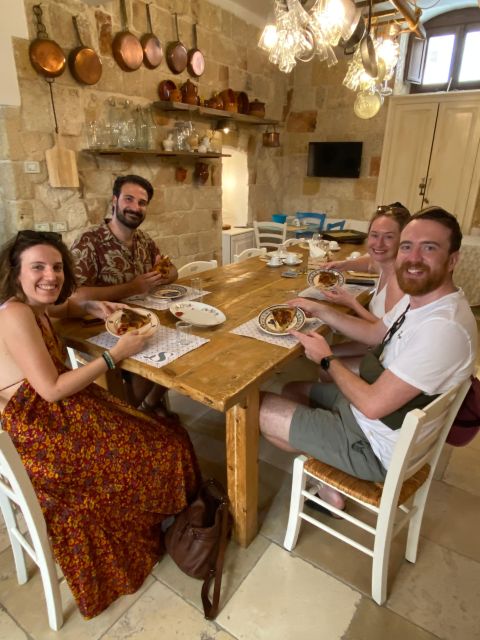
The class takes place in a typical house in Polignano a Mare’s historic center. That location matters. You are not being sent out to an isolated farm or a resort kitchen. You meet in town, close to the streets and stone buildings that make Polignano a popular base on the Adriatic coast.
You should allow a little extra time to find Via S. Vito 20 and arrive ready to cook. The meeting point is listed as meeting Annamaria at the house. If you are staying in Monopoli or another nearby town, an optional transfer can be requested, but hotel pickup and drop-off are not included in the standard price.
The class is conducted in English and Italian. The English ability of the instructors has been praised often, especially for Annamaria and Daniele. That is important in a hands-on lesson, where a quick explanation of dough texture or finger pressure can save you from producing a bowl of pasta that looks like tiny sea creatures.
More Pasta Making Classes in Italy:
- Florence: Pasta Cooking Class with Unlimited Wine
★ 4.9 · 10,285 reviews - 3 in 1 Cooking Class near Navona: Fettuccine, Ravioli & Tiramisu
★ 5.0 · 7,376 reviews - Florence: Pasta & Tiramisu Cooking Class with Unlimited Wine
★ 4.9 · 6,708 reviews
Orecchiette and cavatelli, the heart of the lesson
The main task is shaping two pasta types associated with southern Italy. Orecchiette means little ears, and the shape is made by dragging and turning small pieces of dough with a knife or similar tool. Cavatelli are smaller, curved pieces with a hollow center.
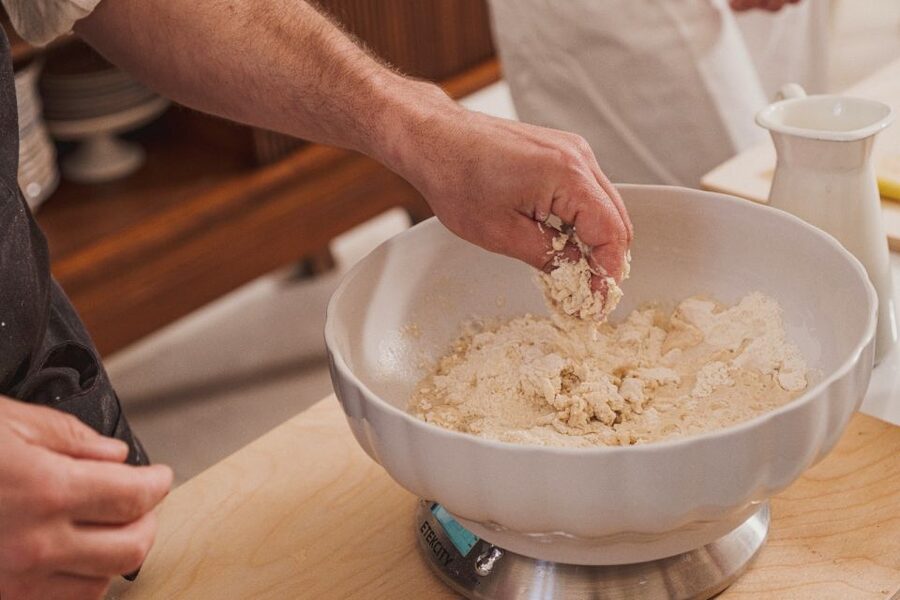
You will receive the dough and then work with it under the instructor’s guidance. Several classes focus most heavily on forming the shapes rather than making the dough from the beginning. That distinction is worth understanding before you book. You get direct practice with the part that gives Apulian pasta its character, but this is not necessarily a full production session covering dough, sauce, cooking, and plating from start to finish.
The teaching style is personal. Annamaria is praised for checking each person’s technique and correcting the shape as needed. Daniele is praised for explaining not only the method but also the role of ingredients and the science behind different pasta styles in Italy.
That individual attention is one of the strongest reasons to choose this class. You are not simply watching a local cook make pasta at high speed while you try to remember the steps. You should have a chance to ask questions and get your hands adjusted to the motion.
What you actually cook and what you eat
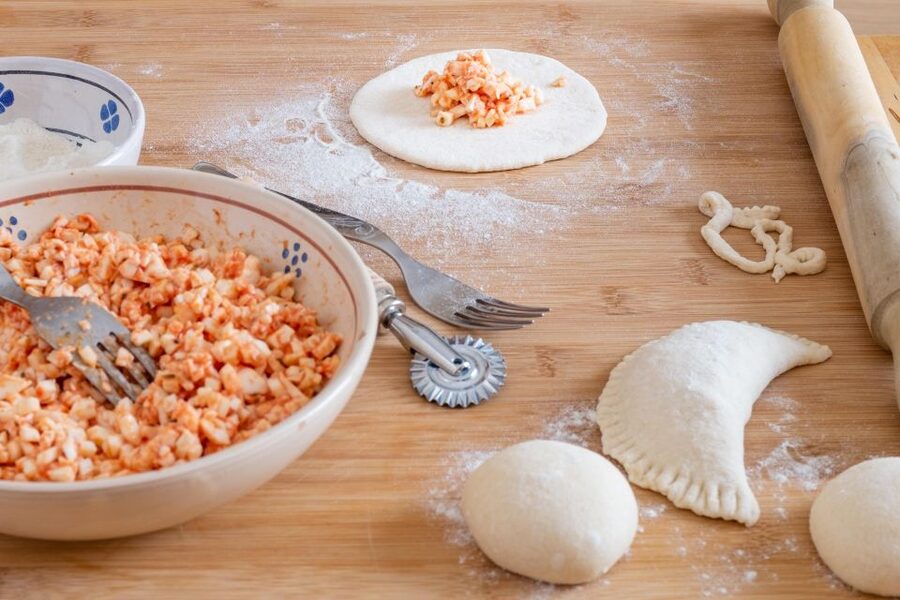
The listed meal includes orecchiette with tomato sauce. In some sessions, the pasta has been served with pesto or another sauce, so the final preparation can vary. The key point is that you eat the pasta made during the class, rather than packing it away or watching someone else cook a separate meal.
That makes the lesson satisfying. You see your misshapen first attempts become a plate of food, and you can judge the texture for yourself. The portions have been described as generous, though this is still a tasting-style cooking experience rather than a full restaurant dinner with several courses.
While the pasta is being prepared or cooked, the aperitivo fills the table. Expect typical Puglian products such as:
- Taralli, the crunchy ring-shaped snack
- Preserved vegetables
- Seasonal greens
- Olives
- Focaccia
- Local wine
- Sometimes limoncello, depending on the session
This is a smart part of the format. You are not left staring at a pot while waiting for dinner. The snacks also help explain the everyday food culture of Puglia, where simple ingredients, preserved vegetables, bread, pasta, and wine do much of the work.
The drink offering is one of the better value points. Several people specifically appreciated the wine during the lesson, and one described an option of unlimited wine. Because the exact drink arrangement may vary, you should confirm the details when booking if that matters to you. Drinks are included, but hotel transfers are not.
The people make the two hours work
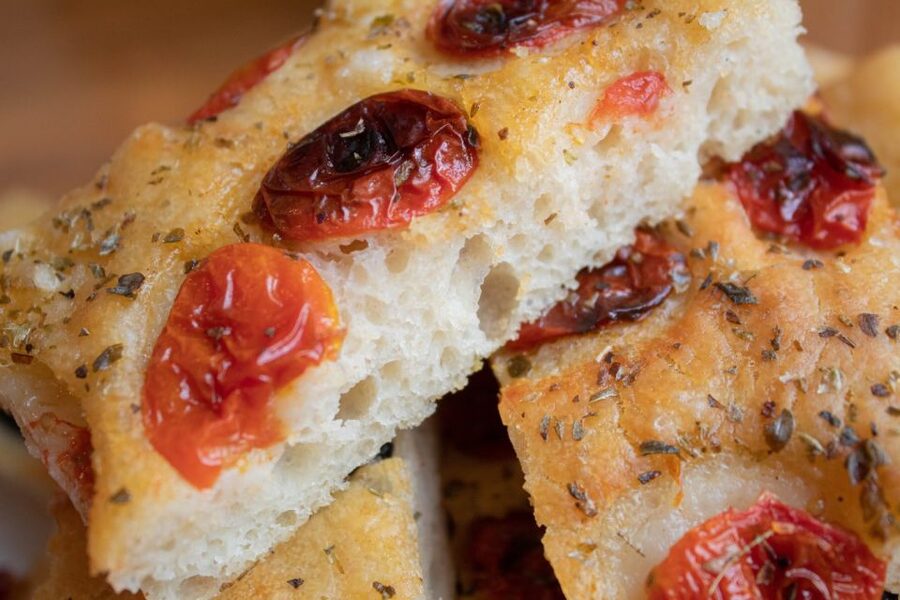
A cooking class depends less on fancy equipment than on the person leading it. Here, the teachers receive especially strong praise for patience, warmth, humor, and clear explanations.
Annamaria is described as friendly, attentive, and passionate about Apulian recipes. She also talks about the region, Italian food customs, and the origins of recipes. Her instruction is practical, with advice on pasta, focaccia, sauces, and ways to repeat the dishes at home.
Daniele brings a slightly different style. He has been described as funny, engaging, and highly informed about Italian pasta. One particularly useful feature is his explanation of why pasta rules exist, rather than asking you to follow them by habit. He also talks about sustainability and reducing food waste, which adds a modern concern to a traditional lesson.
The instructor may be Maria, Daniele, Annamaria, or another member of the team. That means the tone can vary from one session to another. The common thread is direct teaching in English or Italian and a relaxed social atmosphere.
You should expect plenty of conversation. The class is not silent technical training. Instructors may talk about Apulian culture, regional history, politics, social issues, Italian cooking, and professional kitchen experience. If you want only a quick recipe with no extra discussion, this may feel chatty. If you enjoy learning how food fits into local life, that is a real advantage.
A few more cooking classes around Italy worth a look
- Cooking Class and Lunch at a Tuscan Farmhouse with Local Market Tour from Florence
★ 5.0 · 4,831 reviews - Rome Cooking Class: Make Pasta and 3 Spritz Cocktails
★ 5.0 · 2,937 reviews - Rome: 3-in-1 Fettuccine, Ravioli, and Tiramisu Cooking Class
★ 4.9 · 2,704 reviews - Rome: Fettuccine Pasta Cooking Class in Rome’s City Center
★ 4.8 · 2,414 reviews
A small group is better for pasta lessons
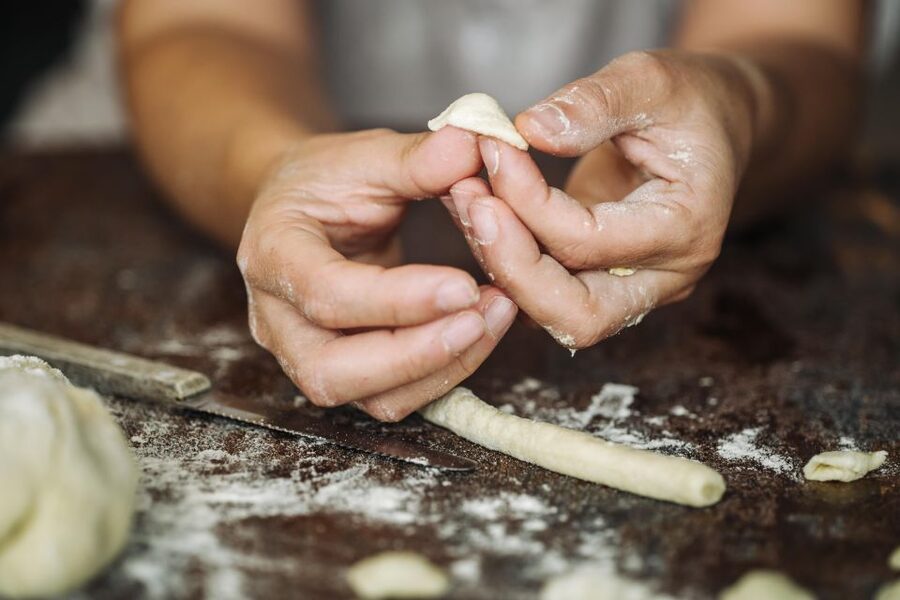
The experience is often run with a small number of participants. One session had six people, and the small group was praised for creating a calm, easygoing setting.
That size is useful for pasta making. Everyone needs a little time with the dough, and an instructor can spot when your orecchiette has become too thick or your cavatelli has lost its hollow center. Small groups also make it easier to ask questions without holding up a large room.
The social side is part of the appeal. You sit with people from different countries, share the snacks and wine, and eat the finished dish together. Several people described the class as a good family activity, including families with young children and teenagers.
Keep in mind that hands-on does not mean every minute involves cooking. One detailed account described a format in which participants mainly watch and listen at first, then shape the prepared dough themselves. You will get practical instruction, but this is not a professional kitchen where you independently make every element.
Why the class works for families
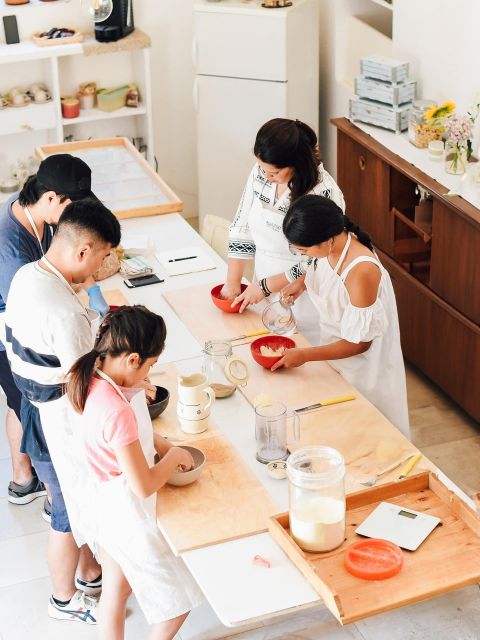
This is one of the more accessible food activities in Polignano. Children have taken part successfully, including a five-year-old and an eight-year-old, and a teenager enjoyed the lesson as part of a family group.
The appeal for children is obvious: pasta dough is tactile, the shapes are simple enough to attempt, and the reward arrives on the same table. You do not need to wait until the next day to taste what you made.
Parents should be realistic about the pace. Younger children may enjoy the shaping section most and lose interest during longer explanations about pasta science or regional food customs. The instructors appear used to working with mixed ages, but adults may need to help young children stay focused.
For teenagers, the class offers more than a standard sightseeing stop. They can learn a skill, hear about southern Italian food, and share a meal with the group. It is also a useful rainy-day option if a boat trip or outdoor plan falls through.
Is $77 a fair price?
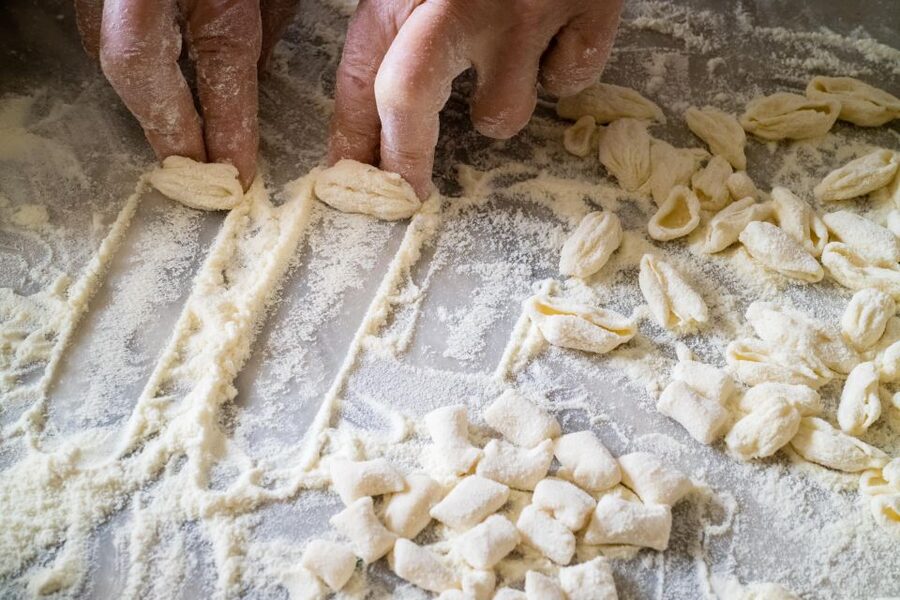
At $77 per person, this is not a cheap pasta lunch. You are paying for the instructor, kitchen equipment, a hands-on lesson, drinks, local snacks, and the meal you prepare.
The value is strongest if you care about the teaching. Annamaria and Daniele are praised for explaining technique carefully, answering questions, and offering tips for cooking at home. You are also paying for a small-group social experience in central Polignano, not just ingredients.
The value is weaker if your main goal is to eat a large dinner or learn several complete recipes. You may not make the dough or sauce yourself, and some people expected more cooking before arriving. One person also felt the price was high compared with other cooking classes in Italy.
I would treat it as a cultural activity with food, not as a bargain meal. If you want to return home able to make orecchiette and cavatelli, the price makes more sense. If you want a full chef’s workshop with multiple sauces, several courses, and a printed recipe pack, check the exact format first.
Tips for getting more from the lesson
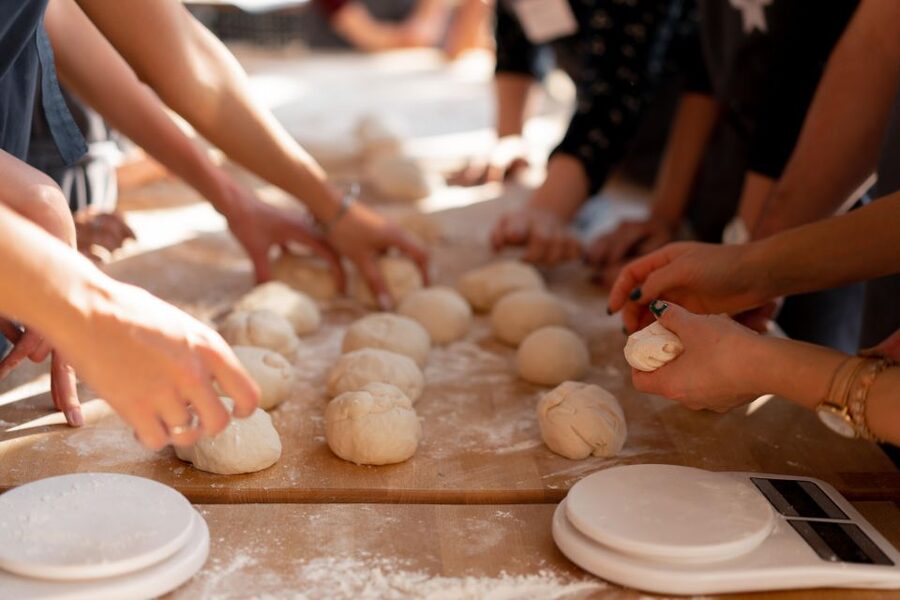
Arrive ready to participate. The best part is using your hands, and you will get more from the class if you ask the instructor to correct your technique rather than quietly copying the person beside you.
Take notes or ask permission to record demonstrations. One person wished for a recipe sheet, although the instructor said the lesson could be filmed. Since printed take-home material is not listed as included, bring your phone or a small notebook if you want to remember measurements and movements.
Ask about the sauce. The included food is orecchiette with tomato sauce, but past sessions have included pesto and advice about other sauces. A direct question can help you understand what your particular class will cover.
Do not fill up before arriving. The aperitivo is a real part of the evening, and you will also eat the pasta you make. The combination of snacks, drinks, and pasta can amount to a substantial meal.
If you are staying outside Polignano, request the optional transfer early. The pickup service is available from Monopoli and nearby cities on request, but it is not part of the standard package.
The activity is wheelchair accessible, another useful point if you need an easy-to-manage indoor experience in the historic center.
Who should book this Polignano cooking class?
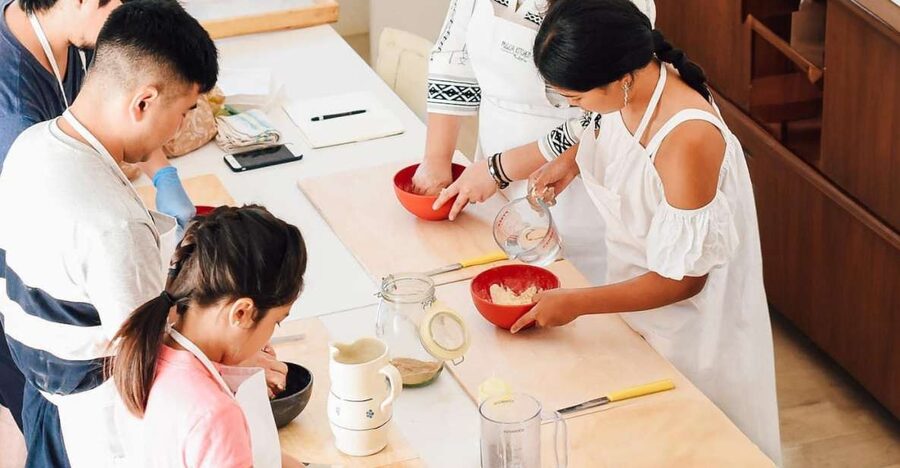
I would choose this class if you want a friendly introduction to Puglian food, prefer a small group, and like the idea of learning one skill you can use at home. It suits couples, families, solo visitors who enjoy meeting people, and food lovers who want more than a restaurant meal.
You should also book it if your schedule has a gap of two hours and you want an activity that works in different weather. The location in central Polignano makes it easy to pair with time in town.
I would hesitate if you expect to make the dough, sauce, and full meal entirely by yourself. I would also compare prices if you are planning several cooking classes during your Italy trip. This experience earns its cost through the instructor’s attention, the local conversation, the included drinks, and the chance to eat your own pasta.
With a 4.8 rating from 260 reviews, the pattern is clear: the strongest part is the teaching and the relaxed atmosphere. Book it for the people, the pasta shapes, and the convivial table. Do not book it solely for a large dinner or a printed recipe manual.
FAQ
How long does the pasta-making class last?
The class lasts two hours.
Where does the experience take place?
It takes place in a typical house in Polignano a Mare’s historic center at Via S. Vito 20, 70044 Polignano a Mare BA.
Which pasta shapes will I learn to make?
You will learn how to make orecchiette and cavatelli, two traditional Apulian pasta shapes.
Are food and drinks included?
Yes. Drinks, local product tastings, and orecchiette with tomato sauce are included. The aperitivo features items such as taralli, preserved vegetables, and seasonal greens.
Is the class suitable for vegetarians and vegans?
Yes. The experience is suitable for both vegetarians and vegans.
What languages are available?
The instructors teach in English and Italian.
Can I request transportation from Monopoli?
Yes. Optional pickup from Monopoli and nearby cities is available on request. Hotel pickup and drop-off are not included as standard.
Just added around Italy
- Cooking Class in a Sicilian countryhouse★ 5.0 · 5 reviews
- Cesarine: Home Cooking Class & Meal with a Local in Catania★ 4.5 · 10 reviews
- Cesarine: Market Tour & Home Cooking Class in Catania★ 4.0 · 6 reviews
- Cooking Class in Taormina with Lunch Included★ 5.0 · 2 reviews
- Cooking Class and Wine Pairing in Capri★ 5.0 · 57 reviews
- Cooking class in Capri for small groups★ 4.0 · 4 reviews
- Private Cooking Class Experience in Reggio Calabria★ 5.0 · 5 reviews
- Lezione di Cucina : Pasta Fresca★ 5.0 · 12 reviews
Pasta Making Classes, compared.
3 in 1 Cooking Class near Navona: Fettuccine, Ravioli & Tiramisu
Read our review →
Pasta & Tiramisu Cooking Class with Unlimited Wine
Read our review →
Pasta Making Class with Wine, Limoncello, and Dessert
Read our review →
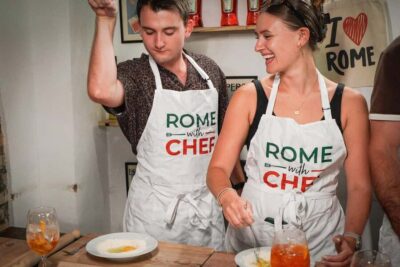
Rome Cooking Class: Make Pasta and 3 Spritz Cocktails
Read our review →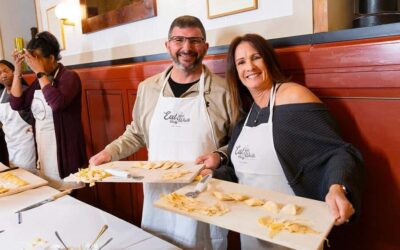
3-in-1 Fettuccine, Ravioli, and Tiramisu Cooking Class
Read our review →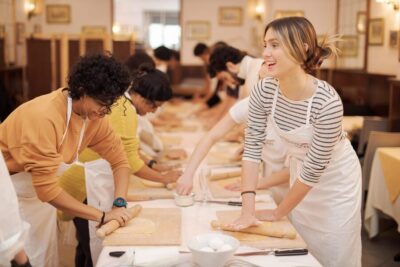
Fettuccine Pasta Cooking Class in Rome’s City Center
Read our review →Lists this class appears in