
REVIEW · VIETNAM
Ho Chi Minh City: Vietnamese Homestyle Cooking Class
Good food is a shortcut to local life. This three-hour class brings you into Hoa’s home in District 4 to cook two or three Vietnamese dishes from scratch, using fresh ingredients and no MSG. I especially like the small six-person limit and the warm, family-friend atmosphere. The main drawback is that you must make your own way to the meeting point, and the class uses one shared home kitchen rather than separate workstations.
The class costs $39 per person, which is fair for a hands-on meal, instruction, recipes, and cultural conversation. I also like the menu flexibility: Hoa can prepare plant-based, vegetarian, gluten-free, and allergy-aware versions when you explain your needs in advance. Just remember that this is a home cooking lesson, not a polished restaurant kitchen or a market tour.
Key Things to Know Before You Book
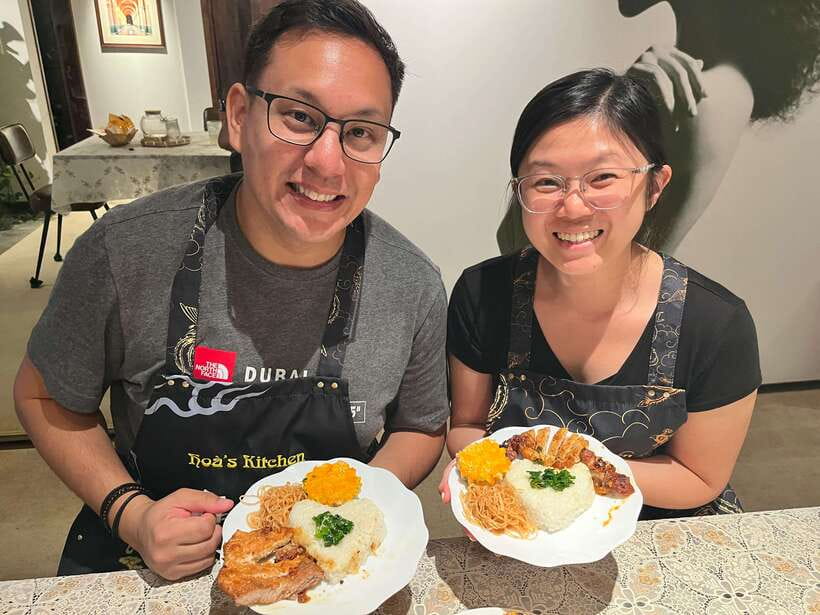
- You cook in Hoa’s home: The setting feels more like visiting a Vietnamese friend than attending a commercial food school.
- You make two or three dishes from scratch: The menu may include pho ga, banh xeo, spring rolls, papaya salad, bun cha, noodles, or braised dishes.
- The class is genuinely hands-on: Hoa demonstrates each step, then lets you chop, mix, roll, season, and cook.
- Menus can be adjusted: Vegetarian, vegan, gluten-free, and other dietary needs can be discussed before the class.
- Groups stay very small: With no more than six people, the pace is personal and questions are easy to ask.
- The meeting point is in District 4: You meet at 670/81 Doan Van Bo Street, Ward 8, and arrange your own transport.
A Home Kitchen Instead of a Cooking School
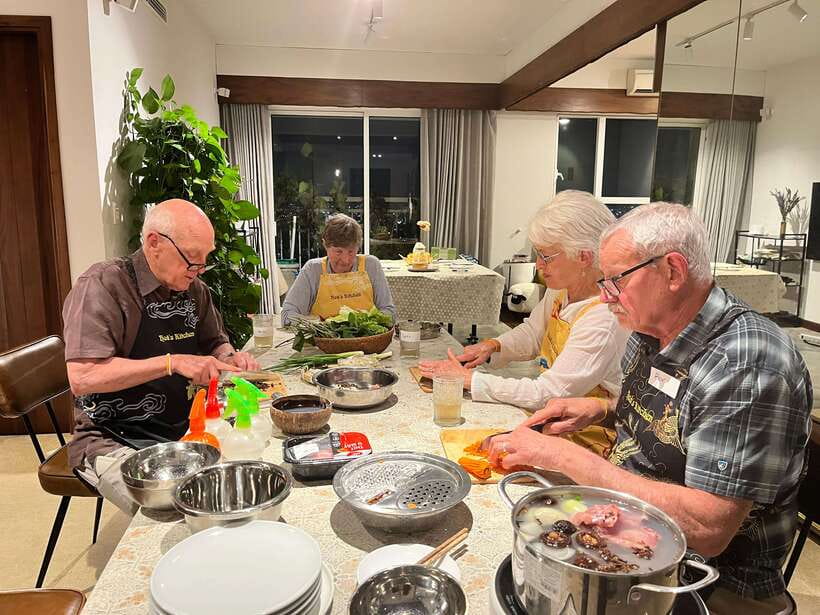
The address is at 670/81 Doan Van Bo Street, Ward 8, in Ho Chi Minh City’s District 4. This is not a large cooking studio with rows of identical benches. You enter a home setting, sit at a dining table, and work together in the kitchen.
That choice shapes the whole experience. You are not simply watching a chef perform. You cook alongside Hoa, talk about food and family, and learn the sort of practical habits used in an ordinary Vietnamese kitchen. Several people found the apartment comfortable and spotless, with a pleasant view that added to the setting.
I like this format because it keeps the class human. Hoa welcomes you with a homemade lemongrass drink, and the conversation is part of the lesson. You may hear about family customs, regional food differences, and the way a dish changes from one part of Vietnam to another.
The setting also has limits. Since it is a real home kitchen, equipment and space are naturally more modest than in a professional school. There are no individual stations for each person. You share the preparation area, which works well for a small group but may feel less independent if you prefer to cook alone.
More Vietnamese Cooking Classes in Ho Chi Minh City:
- Authentic Vietnamese Cooking Class with Market Visit in HCMc
★ 5.0 · 182 reviews - Hands-On Vietnamese Cooking Lesson in Small Group
★ 4.9 · 102 reviews - HCMc:Vietnamese Cooking Class with Local market tour & Meal
★ 5.0 · 8 reviews
Meeting Hoa and Settling Into the Class
Hoa is the constant guide for this experience, and that matters. You are not assigned to a rotating instructor or a large class where the teacher has to rush between tables. She explains what each ingredient does, shows the method, and then gives you a job.
The class is limited to six participants, though it can be much smaller. Some sessions have had only two or three people, creating the feel of a private lesson. That smaller size gives you more chances to ask about seasoning, substitutions, cooking times, and the differences between traditional and more modern methods.
The pace is one of the strongest parts of the class. You should not expect a quick demonstration followed by a hurried meal. Hoa takes time to involve everyone, and the three-hour schedule leaves room for questions and conversation. At the same time, the class is structured enough that you can prepare several dishes without feeling lost.
If you are new to Vietnamese cooking, this is helpful. Ingredients such as fish sauce, rice paper, rice noodles, lemongrass, herbs, coconut, and chili can seem unfamiliar at first. Hoa breaks the work into manageable steps and explains what you can substitute when a particular item is hard to find at home.
Choosing Two or Three Vietnamese Dishes
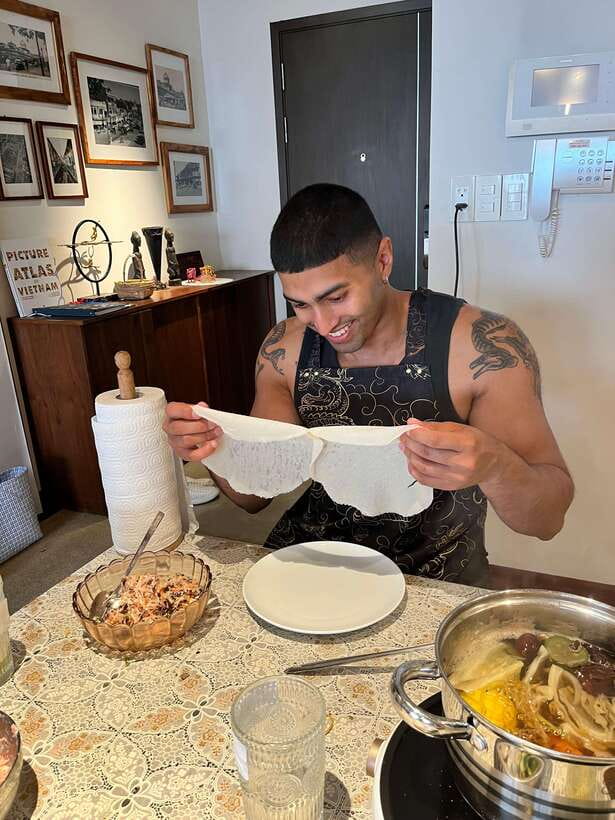
The menu is broad, and you should request a specific dish when you book if there is something you particularly want to learn. Possible choices include:
- Banh xeo, a crisp Vietnamese pancake filled with chicken, pork, or prawns
- Pho ga, chicken noodle soup
- Bun thit nuong or bun bo Nam Bo, noodles with grilled or stir-fried meat
- Cha gio, fried spring rolls
- Bun ca, fish noodle soup
- Mi xao bo, stir-fried noodles with beef
- Banh cuon, delicate rice crepe rolls
- Goi, salads made with mango, papaya, pomelo, or cabbage
- Com tam, grilled pork with broken rice
- Ca kho, braised fish
- Thit kho, braised pork
- Ga sa ot, chicken with lemongrass and chili
You normally prepare two or three dishes, depending on the menu and the group. The exact combination is important because Vietnamese cooking covers several different techniques. A session with pho teaches broth and noodle preparation. A session with banh xeo focuses on batter, heat, and folding. Spring rolls involve filling, wrapping, and frying.
Several participants prepared pho, banh xeo, and papaya salad in one class. Another group made spring rolls, chicken pho, and bun cha. These combinations give you a useful spread of soup, fresh salad, noodles, and cooked food rather than three similar plates.
Spring rolls are worth requesting if you enjoy a hands-on activity. Hoa has a particular fondness for making them, and the rolling process is easy to share with a group. Banh xeo is another good choice if you want to learn a dish that feels difficult until someone shows you the right texture and pan technique.
What You Actually Do During the Three Hours
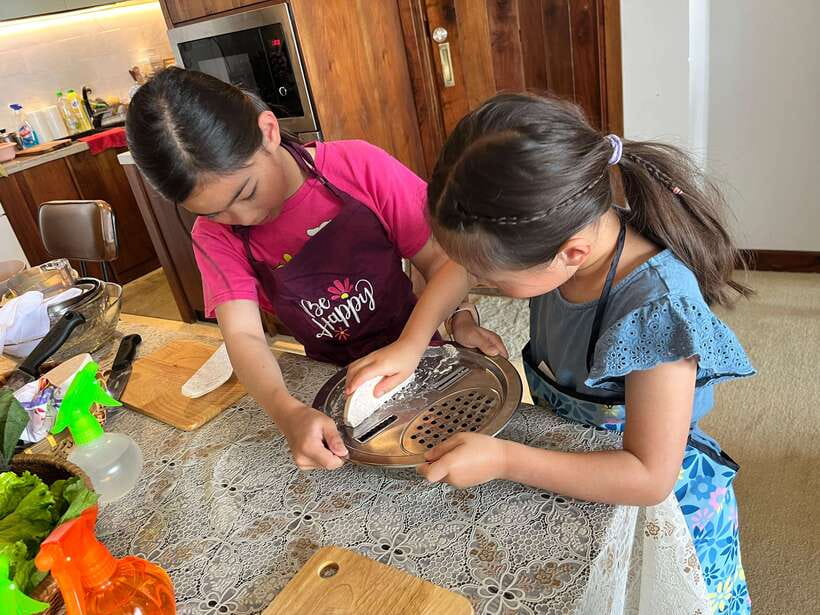
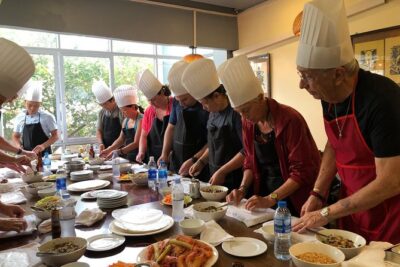
The class begins from the beginning, not with pre-prepared ingredients waiting in bowls. Hoa guides you through washing, chopping, seasoning, mixing, rolling, and cooking. She demonstrates a step, then turns the work over to you.
That approach makes the class useful after you return home. You are not just tasting a finished dish or copying a recipe card. You learn how the ingredients look and feel at each stage, which is often more valuable than exact measurements.
Depending on the menu, you might roast herbs, prepare fresh coconut milk, mix a salad dressing, make a filling, shape rice-paper rolls, cook noodles, or assemble herbs and toppings. The class also covers small decisions that make a difference, such as substitutions for ingredients that are difficult to find outside Vietnam.
The food is served after cooking, so the meal is part of the experience. You sit at the table and eat what you made. That sounds simple, but it gives the class a satisfying rhythm: prepare, cook, share, and talk.
Hoa also takes photographs during the session and sends recipes afterward. That is a useful extra, since it can be hard to remember every ingredient and step after a busy cooking class. The recipes are designed to be practical for a home kitchen rather than dependent on specialist equipment.
More City Tours in Ho Chi Minh City:
- Small-group Mekong Floating Market Day Trip from Ho Chi Minh City
★ 5.0 · 886 reviews - Farm-To-Table Healthy Cooking Class in Ho Chi Minh City
★ 5.0 · 79 reviews - Rome: Fettuccine Pasta Cooking Class in Rome’s City Center
★ 4.8 · 2,414 reviews - Mexican Cooking Class with Food Market Visit in Mexico City
★ 5.0 · 506 reviews
Fresh Ingredients and Special Diets
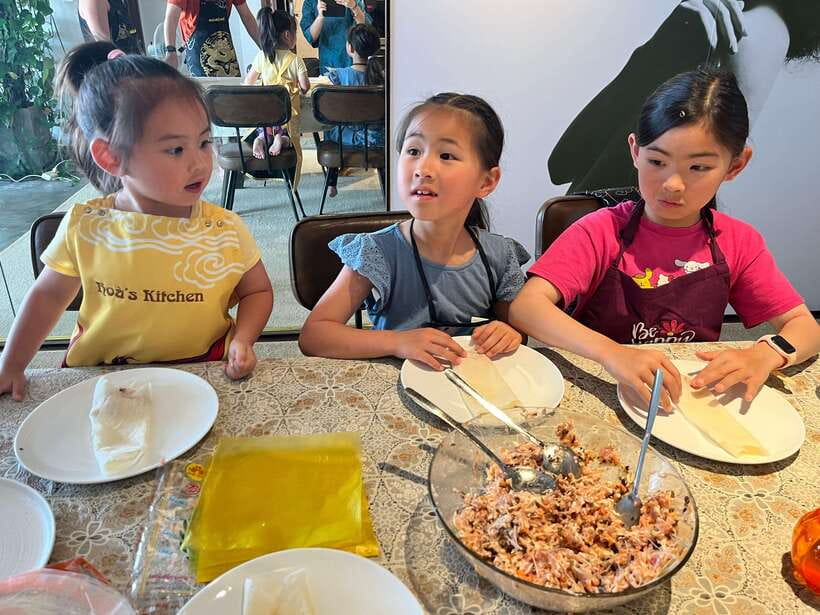
The class emphasizes high-quality ingredients and does not use MSG. That will appeal to people who want to understand the natural balance of herbs, aromatics, fish sauce, chili, citrus, and other seasonings.
You should tell Hoa about dietary needs before arriving. Plant-based versions are available for several dishes, including noodle dishes, banh xeo, spring rolls, stir-fried noodles, and salads. Vegetarian and vegan adaptations are possible, and gluten-free menus can also be arranged.
Do not wait until the class begins to explain an allergy or restriction. The menu is flexible, but the ingredients and preparation need to be planned. The same shared kitchen is used for everyone, so clear communication in advance is the sensible approach.
This flexibility is one reason the class works for mixed groups. A family or group of friends does not necessarily need to eat the same version of every dish. Hoa can adjust the food while keeping everyone involved in the same cooking process.
Why the Cultural Conversation Matters
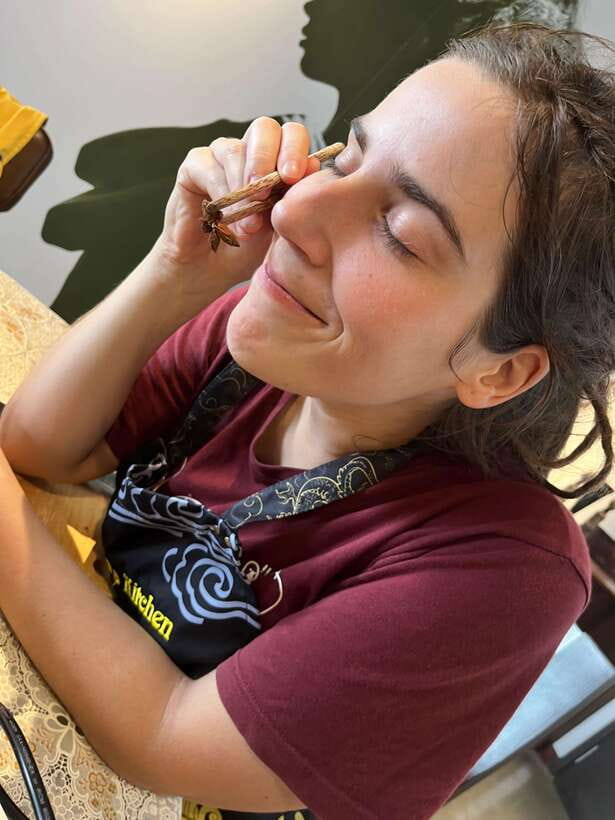
Vietnamese food is not just a list of recipes. The class helps connect dishes with ordinary life, regional habits, and family cooking. Hoa explains how the same meal may be prepared differently in different parts of Vietnam, and she shares practical background as you work.
That conversation is strongest because it happens while your hands are busy. You can ask why a certain herb is used, how a dish changes at home, or what substitutions make sense in another country. The result is more useful than a formal talk about Vietnamese food.
One session also included a bonus dragon-painting activity with an artist. This should not be treated as a guaranteed part of every class, but it shows how the experience can extend beyond the cooking itself when an additional cultural activity is arranged.
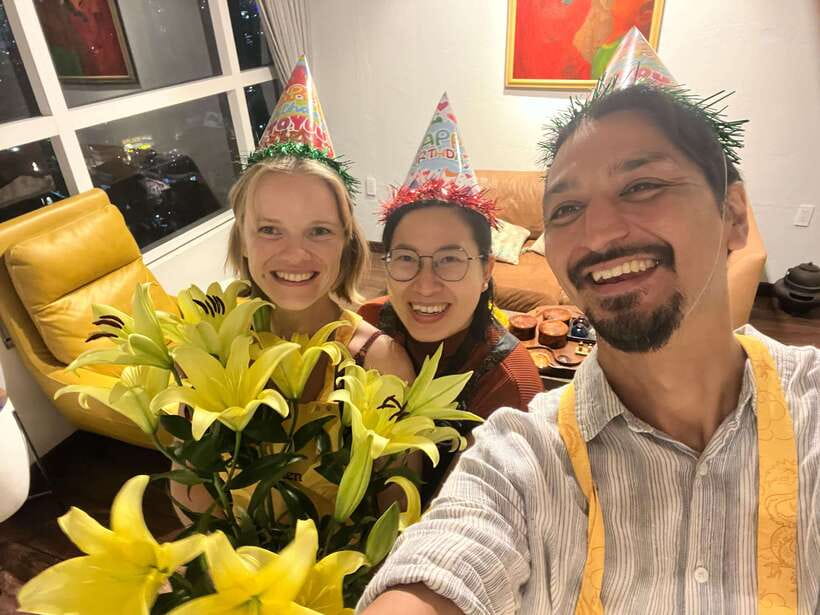
The personal setting can also make special occasions feel more memorable. Hoa has arranged a birthday cake and party hats for a birthday booking, adding a thoughtful touch without turning the class into a staged celebration. If you are booking for a birthday or family occasion, it is worth asking what can be arranged.
Price, Transport, and Practical Value
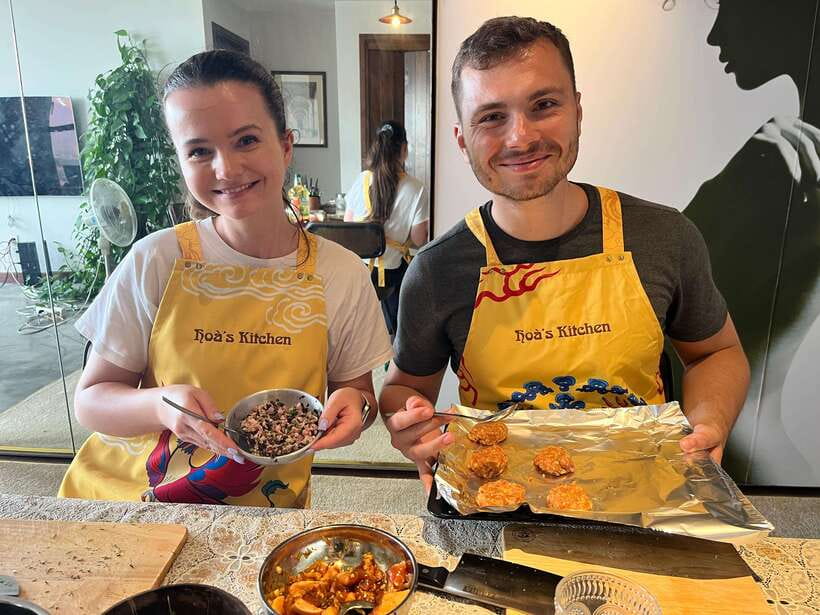
At $39 per person, this class offers good value if you want more than a meal. The price covers the three-hour lesson, ingredients, hands-on preparation, the food you cook, and guidance from Hoa. You also receive recipes afterward, and photographs may be shared after the class.
The value is less obvious if you only want to eat Vietnamese food. Ho Chi Minh City has many inexpensive restaurants, and a cooking class takes several hours. You are paying for instruction, access to a home setting, and the chance to repeat the dishes later.
Pickup is not included. You must reach the meeting point at 670/81 Doan Van Bo Street, Ward 8, District 4, and the activity ends there. Grab is a practical option, and some people have found the ride from their hotel inexpensive, but the cost and travel time depend on your starting point.
Build in enough time to find the address. This is a residential meeting point rather than a major hotel or famous landmark. The class lasts three hours, but your outing will take longer once you include the ride in both directions.
The activity is wheelchair accessible, though the information does not describe the exact layout of the home. If you use a wheelchair, confirm any specific access needs before booking. Alcohol and drugs are not allowed.
Who Will Enjoy This Class Most
I would choose this class for someone who wants food and conversation in equal measure. It suits couples, families, friends, and solo visitors who enjoy learning by doing.
It is also a strong choice for people who do not cook often. The recipes are explained in plain steps, and the small group means you can ask for help without holding up a large room. Children may enjoy the rolling, mixing, and assembling, though an adult should judge whether the hot pans and frying work suit them.
Vegetarians and people with other dietary needs should find the menu more workable than at a fixed-menu cooking school, provided they contact Hoa ahead of time. The same applies if you have a particular Vietnamese dish in mind.
You may prefer another format if you want to visit a market first, shop for ingredients, or cook at an individual workstation. A market visit can be arranged for an additional fee, but it is not included in the standard three-hour class.
Booking Details and Cancellation
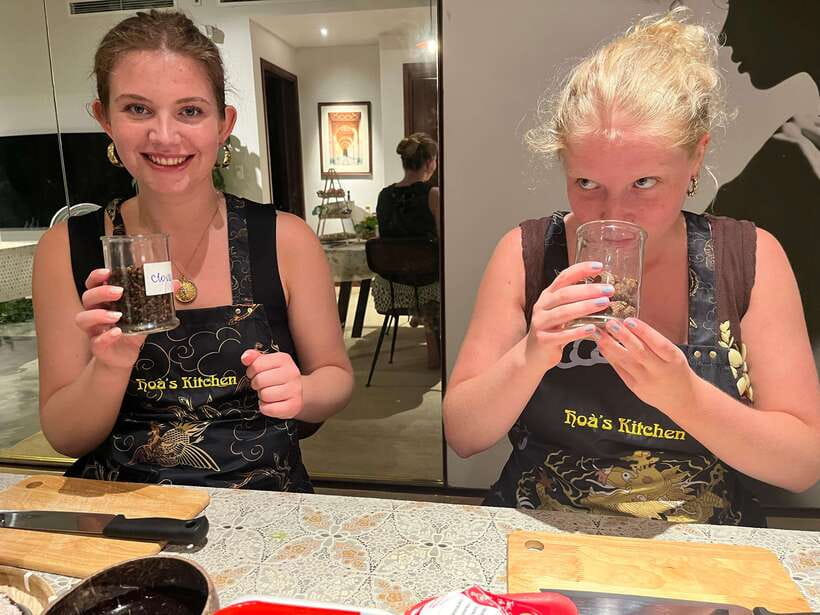
The class is taught in English and limited to six participants. You can reserve now and pay later, which helps if your Ho Chi Minh City plans are still changing.
Free cancellation is available up to 24 hours before the activity for a full refund. The experience is not suitable for people over 95 years old, according to the supplied booking information.
Should You Book Hoa’s Homestyle Cooking Class?
Book it if you want a personal evening built around food, conversation, and practical recipes. The strongest reasons are Hoa’s patient teaching, the small group, the home setting, and the chance to make dishes you can repeat in your own kitchen.
I would request your preferred menu in advance, especially if you want pho, banh xeo, spring rolls, or a plant-based version. I would also allow extra time for transport to District 4 and remember that the class is shared cooking in a home, not a private workstation for every person.
At $39, this is a sensible choice for anyone who values personal attention over a large, polished production. If you want a warm introduction to Vietnamese home cooking and a meal you helped create, this class earns its excellent reputation.
FAQ
How long does the Vietnamese cooking class last?
The class lasts three hours. Starting times vary, so you need to check availability when booking.
Where does the class meet?
You meet at 670/81 Doan Van Bo Street, Ward 8, District 4, Ho Chi Minh City. The activity ends back at the same meeting point.
How many people can join the class?
The group is limited to six participants. Some sessions may be smaller.
Is transportation from my hotel included?
No. Pickup service is not offered. You need to arrange your own transport to and from the meeting point.
What dishes can I learn to cook?
Possible dishes include pho ga, banh xeo, spring rolls, Vietnamese noodle dishes, banh cuon, salads, com tam, braised fish, braised pork, and lemongrass chicken. You usually cook two or three dishes.
Can the class accommodate vegetarian, vegan, or gluten-free diets?
Yes. Plant-based versions are available for several dishes, and gluten-free or other dietary adjustments can be arranged. Tell Hoa about your needs when booking.
Can I cancel and receive a refund?
Yes. You can cancel up to 24 hours in advance for a full refund.
Just added around Ho Chi Minh City
- Top Home Cooking Class with Stunning River View AC Kitchen★ 5.0 · 25 reviews
- Street Food Walking Tour with a Cooking Instructor★ 5.0 · 5 reviews
- M.O.M COOKING CLASS★ 4.8 · 6 reviews
- Mama Lan’s Home Cooking Class with 30+ Years of Experience★ 5.0 · 3 reviews
- MY Kitchen – Vietnamese Home Cooking Class in Hoi An★ 5.0 · 6 reviews
- Ho Chi Minh: Local Cooking Class At Auntie’s Home★ 4.9 · 14 reviews
- Farm-To-Table Healthy Cooking Class: Half-Day Tour★ 4.8 · 41 reviews
- HCMc:Authentic Vietnam Cooking Class with local market visit★ 5.0 · 2 reviews
Vietnamese Cooking Classes, compared.
Cooking Class Hoi An:Local Market, Basket Boat, Fishing & Cooking
Read our review →
Market Tour, Basket Boat Ride and Cooking Class
Read our review →
Basket Boat with Lantern-Making & Cooking Class Tour
Read our review →
Hoi An Cooking Class(Local market,Basket Boat,Fishing & Cooking)
Read our review →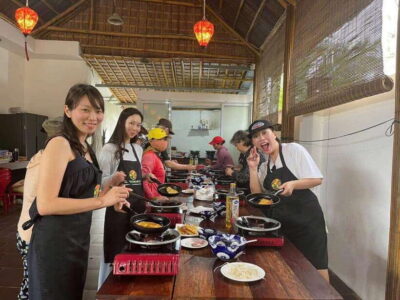
Vietnamese Food Cooking Class in Hanoi with Market Experience
Read our review →
Hoi An Eco Tour Cooking Class & Fishing (Local market,basket boat,learn cooking)
Read our review →
Traditional Cooking Class with Basket Boat Ride and market Tour
Read our review →Lists this class appears in