REVIEW · TUSCANY, ITALY
Florence: Pasta and Tiramisu Cooking Class with Local Host
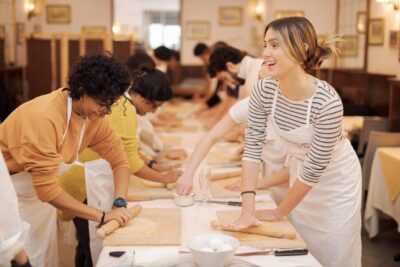
Fresh pasta tastes better when you make it. This three-hour Florence cooking class brings you into a local host’s home to prepare two pasta shapes and tiramisu, then sit down to eat what you made. I like the small group of no more than eight, which leaves room for hands-on work and real conversation. I also like the aperitivo, wine, coffee, and meal included in the price.
The main thing to consider is the meeting point. You do not receive the host’s home address until after booking, so you cannot judge the exact location in advance. This is also a home-based experience, not a polished cooking school, which is precisely its charm but may not suit someone seeking a formal demonstration kitchen.
Key points to know before booking
- You cook in a real Florentine home: The setting gives the class a personal feel that a commercial kitchen cannot easily match.
- Two pasta shapes are included: You work with fresh dough and learn more than one traditional form, with ravioli included in some sessions.
- Tiramisu is made from scratch: You prepare the layers, then enjoy the dessert after the meal.
- The food and drinks are part of the class: Aperitivo, lunch, local wine, and coffee are included.
- Hosts vary: Past sessions have been led by hosts such as Marina, Carlo, Roberta, Donatella, Cecilia, and Luca.
- The group stays small: With a maximum of eight participants, you should have a fair chance to roll, shape, ask questions, and taste.
What makes this Florence cooking class different
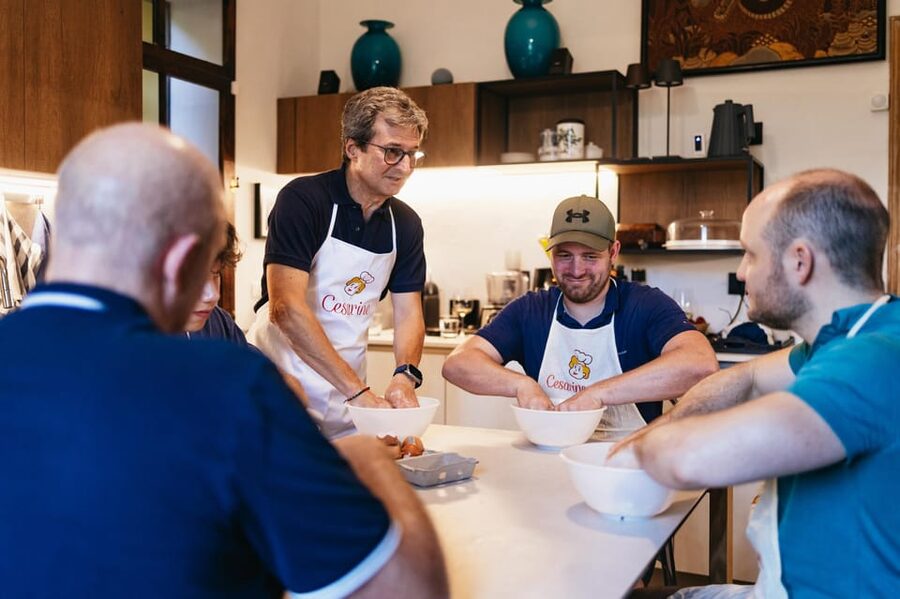
Florence offers plenty of food demonstrations, but this class takes place in a local person’s home. That changes the mood from the start. You are not simply watching a chef perform in front of a crowd. You are entering a private kitchen, meeting the person who lives there, and learning dishes that fit naturally into an Italian household.
That setting matters. Cooking is not only about measurements and technique. It is also about how food fits into everyday life. An aperitivo gives you time to settle in, hear about local cuisine, and talk with your host before the work begins. The class has room for conversation, laughter, and questions, rather than treating the meal as a quick lesson.
The small group size helps too. Eight people is the upper limit, and some bookings have been private sessions for just two people. You may be working at the table with a few other participants, or you may have the host’s full attention. The exact format depends on the booking, but the small scale is a clear advantage for hands-on cooking.
More Pasta Making Classes in Florence
- Florence: Pasta Cooking Class with Unlimited Wine
★ 4.9 · 10,285 reviews - Florence: Pasta & Tiramisu Cooking Class with Unlimited Wine
★ 4.9 · 6,708 reviews - Pastamania – Florence Pasta Making Class
★ 5.0 · 3,050 reviews
Arriving at a local host’s home
The exact meeting place is the host’s home in Florence. For privacy, you receive the host’s name, address, and mobile number by email after booking. This is useful to know before you commit, since you cannot plan around a named restaurant or cooking school in advance.
You will need to make your own way there. Hotel pickup and drop-off are not included, and the activity ends at the same meeting point. Once you arrive, the experience is designed to feel welcoming rather than formal. Several hosts, including Marina, Roberta, and Donatella, have been praised for making people feel at home quickly.
That warmth is an important part of the value. A cooking class in a private home can feel personal in a way that a larger public venue often cannot. You may hear family stories, practice a little Italian, or meet friends and relatives connected with the host. Roberta’s session, for example, included time with people from her family and social circle.
The tradeoff is that the experience may vary from one host to another. You could cook with Marina, Carlo, Luca, Cecilia, or another Cesarine host, and each person will have a different personality and home. That variation is part of the design, but it means you should not expect an identical class every time.
Starting with an Italian aperitivo
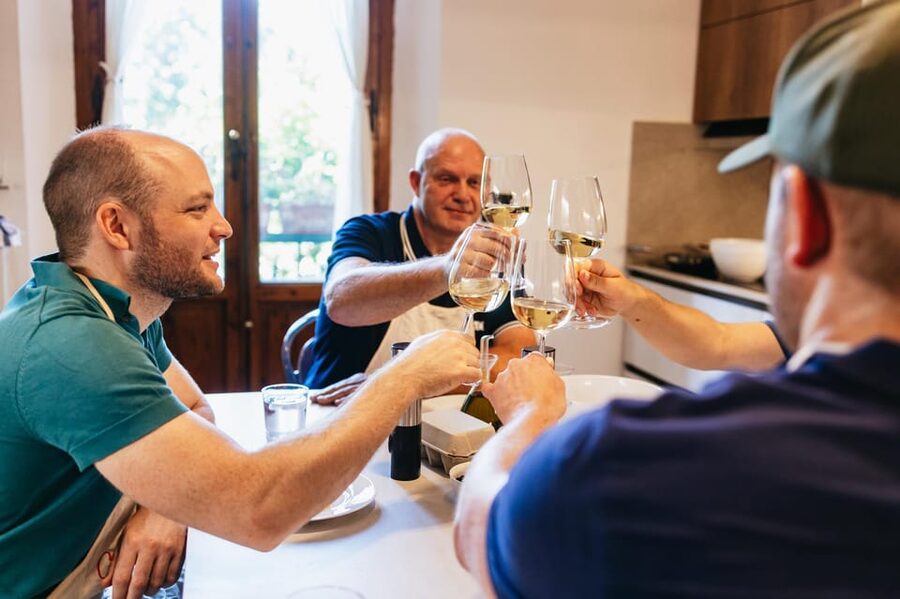
The class includes an aperitivo, the traditional Italian drink and snack ritual that often comes before a meal. Here, it is more than a welcome drink. It gives you a relaxed opening while the host talks about local food and explains what you will prepare.
This is a good point in the class to ask questions. If you are curious about pasta flour, shaping, sauces, or tiramisu, speak up early. The instruction is available in Italian and English, so you can follow the lesson even if your Italian is limited.
The aperitivo also helps make the experience social. If you are traveling alone, this is a friendly way to meet a few people without the pressure of a formal group tour. If you are traveling as a couple or family, it gives everyone time to get comfortable before handling the dough.
Do not expect the aperitivo to replace lunch. It is the opening part of the experience, with the pasta, tiramisu, wine, and coffee coming later.
Rolling fresh pasta by hand
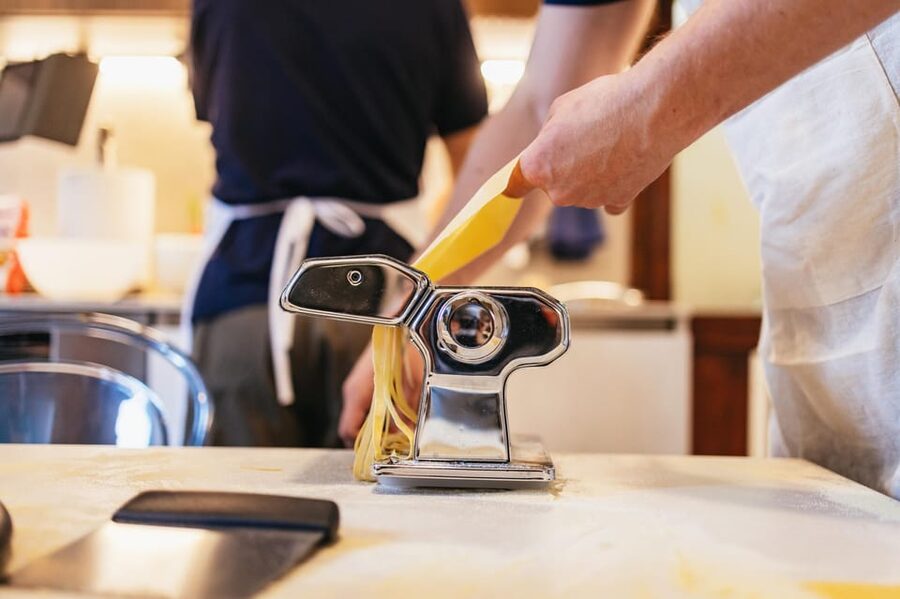
The main cooking lesson focuses on fresh pasta dough. You learn to roll it by hand, an old-fashioned method that lets you feel the dough change under your hands. This is a more useful skill than simply watching a machine do the work, because you learn how the dough should look and feel.
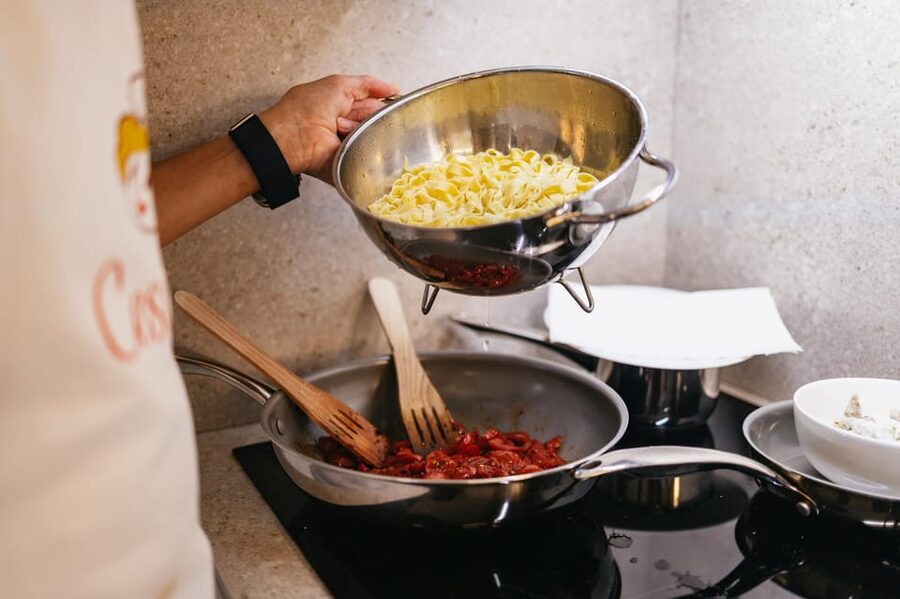
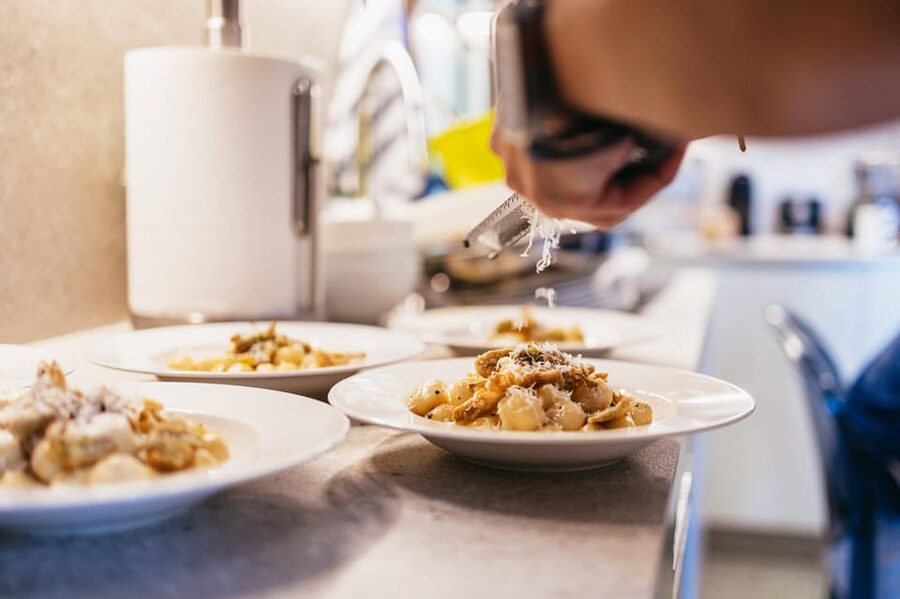
You then make two traditional pasta shapes. The exact shapes can vary, and some sessions include ravioli. That makes the lesson more useful than a single-shape demonstration. You get to see how the same dough can be turned into different dishes through folding, cutting, filling, or shaping.
Expect the host to guide you step by step. Carlo, for instance, has been praised for patience and for explaining each dish as the work progressed. Luca’s session included a detailed lesson covering pasta, ravioli, and tiramisu. These details suggest that the class is aimed at participation, not just observation.
This is where the class earns its price. You are not paying only for a plate of pasta. You are learning a process you can repeat at home. The recipes are described as easy to follow, and at least one host provided instructions that participants planned to use after returning home.
The class may be messy in a pleasant way. Flour, dough, filling, and shaping require you to work with your hands. If you prefer to sit back and take photographs, you will miss the best part. If you want a practical lesson, the hands-on format is a strong reason to book.
More Tiramisu and Dessert Classes in Florence
- Florence: Cooking Class Pasta & Tiramisu Making Unlimited Wine
★ 5.0 · 2,234 reviews - Florence Cooking Class The Art of Making Gelato & Authentic Pizza
★ 5.0 · 2,053 reviews - Florence: Premium Pasta and Gelato Cooking Class
★ 4.9 · 877 reviews - Florence: Handmade Pasta & Dessert Class with Unlimited Wine
★ 4.8 · 788 reviews
Preparing tiramisu from scratch
Tiramisu gives the class a second rhythm. Pasta requires work and coordination, while the dessert is about building layers and getting the balance right. You learn how to assemble a classic tiramisu, including the steps needed for a soft, creamy result.
The dessert is not an afterthought. It is one of the two central recipes, and the class teaches both the preparation and the finished dish. That makes the menu feel complete: savory pasta first, then a familiar Italian dessert to end the meal.
Tiramisu is also a smart choice for a short cooking class. It does not require the same long preparation as many baked desserts, so you can make it during the session and eat it afterward. You get an immediate result instead of taking a recipe home and waiting for another day to see if it works.
If you already know how to make tiramisu, the pasta lesson will likely be the bigger draw. If you have never made the dessert, this part adds variety and gives you another recipe to repeat at home.
Sitting down to eat your own cooking
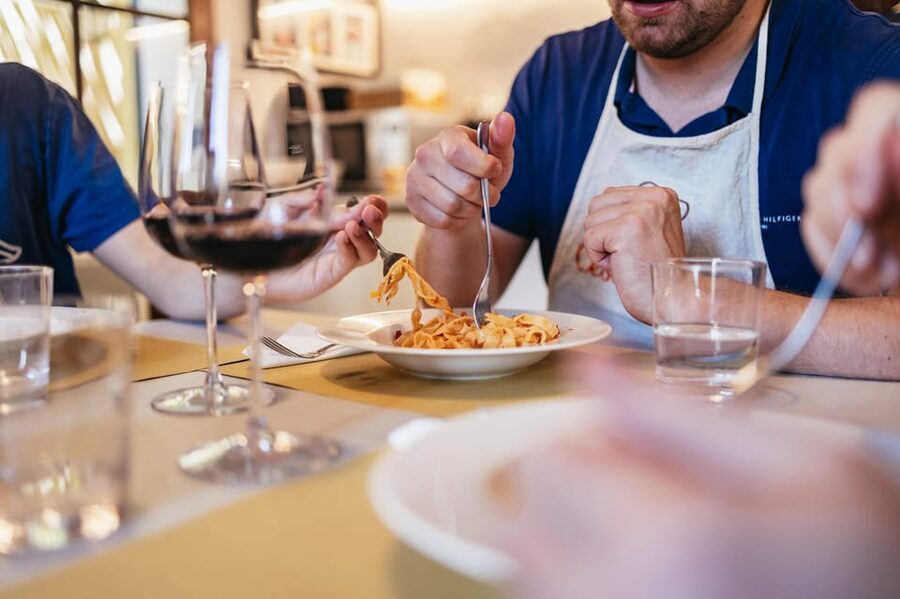
After the preparation, you eat the pasta and tiramisu with your host. Lunch is included, along with local wine and coffee. This is a simple but important feature: you are not rushed out after the final step or left to find a meal elsewhere.
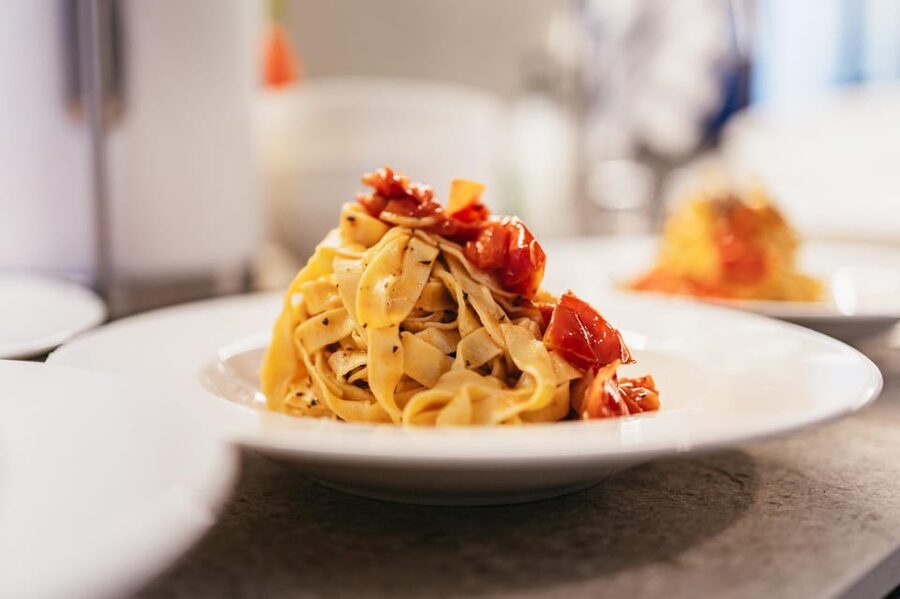
Eating what you have made gives the techniques a clear purpose. You can see how the pasta shapes hold sauce, compare the texture of fresh dough with dried pasta, and judge the tiramisu after the layers have set. It is also a natural time for more conversation.
The wine makes the meal feel more like a shared Italian lunch than a classroom exercise. You receive a selection of local wines rather than having to order drinks separately. That helps the $134.81 price make more sense, especially when you count the ingredients, equipment, instruction, aperitivo, lunch, dessert, wine, and coffee.
Still, value depends on what you want. If your priority is the cheapest possible cooking lesson, this is not the budget choice. If you want a meal, a personal setting, and recipes you can use later, the package is more persuasive.
Dietary needs deserve attention before you book. Carlo prepared a special sauce for one participant’s husband because of a dietary issue, which is encouraging. However, the provided details do not promise that every dietary request can be met, so contact the provider ahead of time rather than assuming substitutions will be available.
The hosts are a major part of the experience
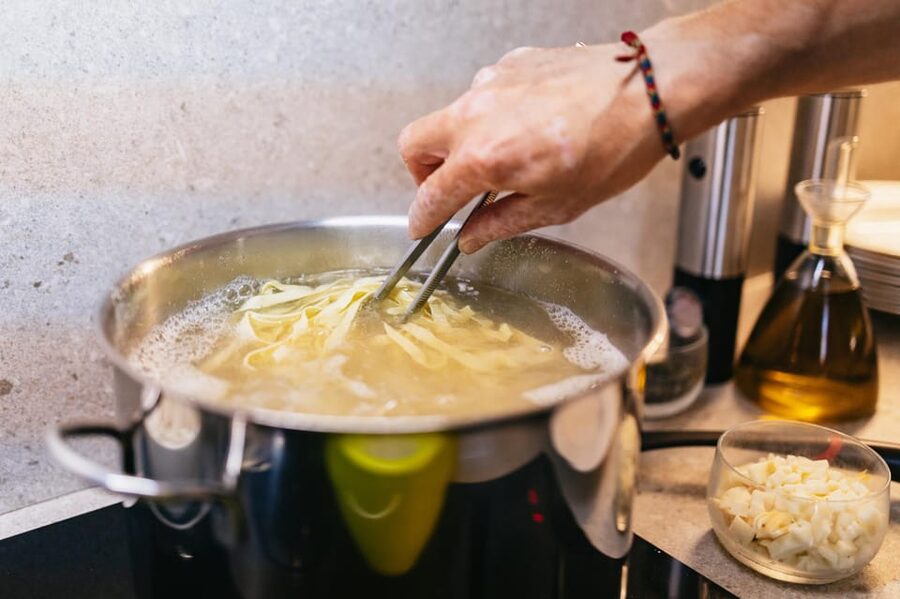
Cesarine provides the booking connection, but your actual experience depends heavily on the individual host. The names and personalities can differ, and that is worth keeping in mind when you compare this with a standard cooking school.
Marina has been praised for her welcoming home, clear recipes, and friendly conversation. Cecilia created a calm, comfortable setting where a couple could watch, learn, and then prepare the food themselves. Barbara was described as kind, with food that was bellisimo.
Families can also fit into the class. Donatella hosted a group with four children between ages 3 and 13. When the youngest child became bored, she found small tasks to keep him involved. That does not guarantee the same approach with every host, but it shows how a home class can adapt better than a fixed demonstration.
Couples may find the experience especially appealing. One couple ended up with a private class and enjoyed the chance to cook side by side, learn some Italian, and share the meal. Honeymooners have also described the warmth of the home and kitchen as one of their strongest memories from the trip.
A small dog appeared in one session, adding to the home atmosphere. If you have allergies or concerns about animals, ask before booking, since the activity takes place in private homes and the household details can vary.
How the three-hour schedule feels
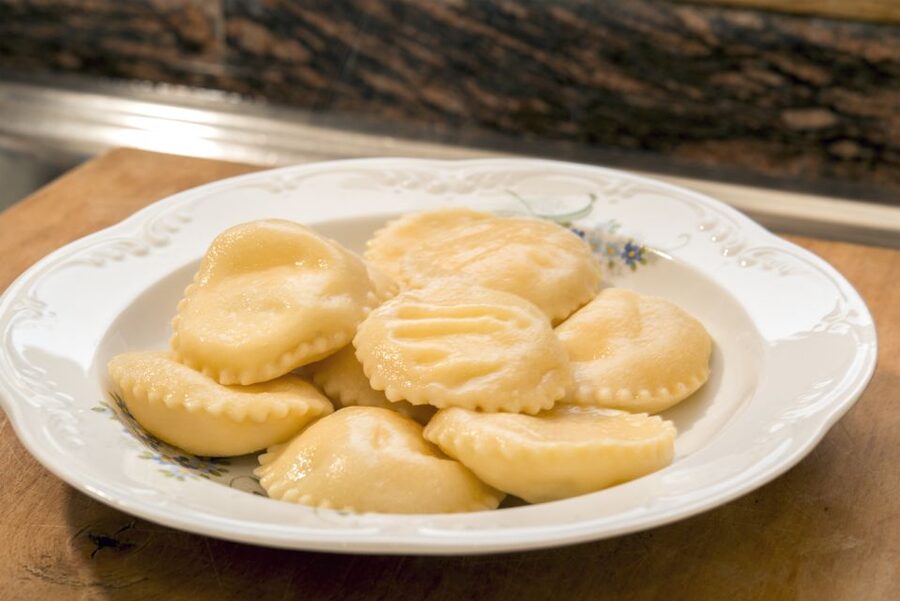
Three hours is enough time to cover the meal without turning the class into a full-day commitment. The session usually moves through four broad stages:
- Welcome, aperitivo, and conversation about Italian food
- Fresh pasta dough and two pasta shapes
- Tiramisu preparation
- Shared meal with wine and coffee
The exact order may change. Some preparation may happen while another dish rests, and your host will organize the timing. You should expect to spend much of the class standing, rolling, shaping, and assembling rather than listening to a long lecture.
Starting times vary, so check availability before choosing the experience. This flexibility can help you fit the class around a museum visit or other Florence plans. Allow extra time to reach the home, since the location is only supplied after booking and hotel transportation is not included.
The activity ends back at the host’s home. From there, you can continue your evening independently.
Who should book this experience
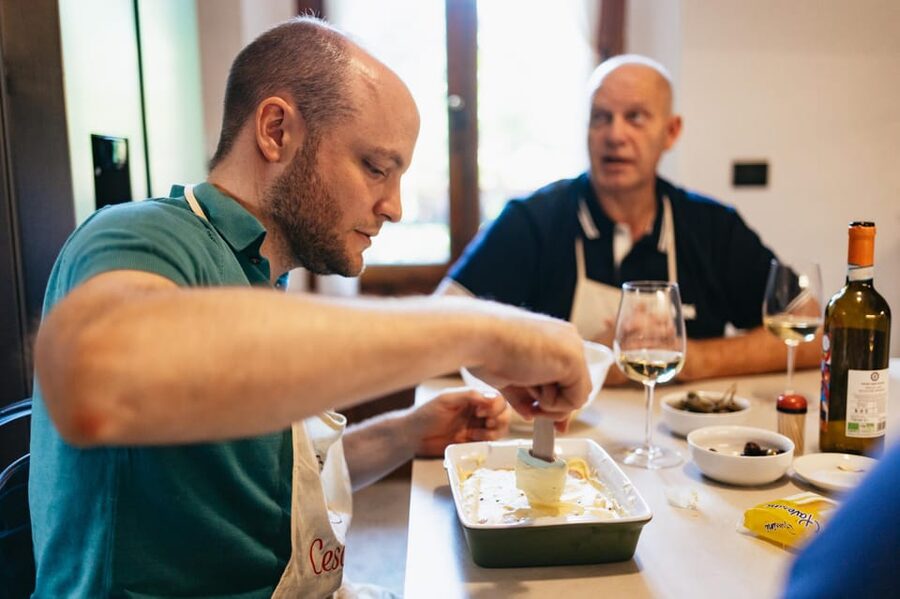
I would choose this class if you want a personal food experience rather than a standard restaurant meal. It suits couples, small groups, solo visitors, and families who are comfortable sharing a kitchen and taking part.
It is especially good for you if:
- You want to learn fresh pasta by hand
- You enjoy meeting local people in their homes
- You prefer small groups
- You want a complete meal included
- You would like recipes to repeat at home
- You enjoy wine and relaxed conversation with your food
Families should note that the class can work well with children, but the details depend on the host. Donatella made an effort to involve a three-year-old, though no general age policy is provided.
This may not be your best pick if you need a highly standardized class, a central public venue, or a guaranteed menu tailored to strict dietary requirements. The privacy of the home is a plus for many people, but it also means the setting and teaching style will vary.
Price, flexibility, and practical value
At $134.81 per person, this is a significant spend for a three-hour activity. The price is easier to justify when you count everything included: the host, equipment, ingredients, aperitivo, lunch, pasta, tiramisu, wine, and coffee.
You also receive something that is hard to price precisely: access to a local home and a real conversation with the person teaching you. The class can become a social evening as well as a cooking lesson. That is why I see it as better value for someone who wants a cultural experience, not simply a recipe demonstration.
You can reserve now and pay later, which helps if your Florence schedule is still changing. Free cancellation is available up to 24 hours in advance for a full refund. Keep the email with the address, host name, and mobile number, since those details are sent after booking.
Should you book the Florence pasta and tiramisu class?
Yes, if you want to cook, eat, and meet a local person in one evening. The strongest parts are the small group, the hands-on pasta work, the two pasta shapes, and the relaxed meal with wine afterward.
I would book it for a couple, a food-focused family, or anyone who values personal contact over a polished venue. The main caution is variation: your host, home, and exact teaching style depend on the assignment. If you accept that, the chance to make fresh pasta and tiramisu in a real Florentine kitchen is worth the cost.
FAQ
Where does the cooking class take place?
The class takes place in a local host’s home in Florence. The exact address, host name, and mobile number are emailed after booking for privacy reasons.
How long does the experience last?
The cooking class lasts three hours. Starting times vary, so you need to check availability for the date and time you want.
What will I learn to cook?
You will learn to make fresh pasta dough, shape two types of traditional pasta, and prepare tiramisu. Some sessions include ravioli.
Is lunch included?
Yes. You eat the pasta and tiramisu you prepare during the class. Local wine and coffee are also included.
Is the class taught in English?
Yes. Instruction is available in Italian and English.
How many people can join?
The class is limited to eight participants. Some bookings may be private sessions, depending on the reservation.
Is transportation from my hotel included?
No. Hotel pickup and drop-off are not included. You make your own way to the host’s home, and the activity ends there.
Just added around Florence
- Florence: Art of Pasta Cooking Workshop with Food and Wine★ 5.0 · 69 reviews
- Pasta Cooking Experience in Florence★ 4.8 · 139 reviews
- MasterSteak: Tuscan Steak Cooking Class with Unlimited Wine★ 5.0 · 2 reviews
- Florence: Market Visit and Cooking Class★ 4.4 · 16 reviews
- From Livorno: Authentic italian Pasta Cooking Class★ 5.0 · 3 reviews
- Florence Cooking Class: Ravioli & Pasta & Wine + Gift Apron★ 5.0 · 5 reviews
- Florence: Traditional Pizza and Gelato Cooking Class + Wine★ 5.0 · 2 reviews
- Florence:Dolce Vita by Day Market Tour & Pasta Making Class★ 5.0 · 2 reviews
Pasta Making Classes, compared.


3 in 1 Cooking Class near Navona: Fettuccine, Ravioli & Tiramisu
Read our review →
Pasta & Tiramisu Cooking Class with Unlimited Wine
Read our review →
Pasta Making Class with Wine, Limoncello, and Dessert
Read our review →
Rome Cooking Class: Make Pasta and 3 Spritz Cocktails
Read our review →
3-in-1 Fettuccine, Ravioli, and Tiramisu Cooking Class
Read our review →