
REVIEW · AREZZO, ITALY
Colorful Pasta Tagliatelle and Ravioli Cooking Class near Arezzo
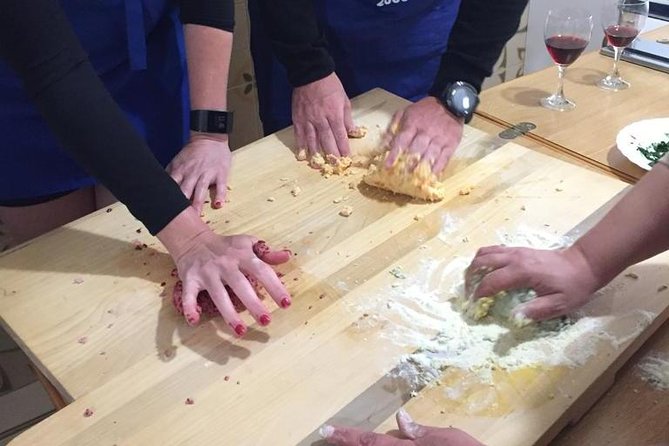
Pasta tastes better when you make it. This small cooking class near Arezzo brings you into a Tuscan home to prepare colorful egg pasta with spinach, beetroot, cacao, and squid ink. I like the hands-on format, and I especially like that you sit down afterward for a proper meal with Chianti, bruschetta, and homemade crostata.
The class is also personal rather than factory-like, with a maximum of six people and instruction from a professional chef. Maria Rosaria is praised for her patient teaching, while Maria and Gada are noted for their warm hospitality. The main consideration is location: the meeting point is in Pergine Valdarno, not central Arezzo, and one disappointed customer missed the class after using the wrong address.
Key points to know before booking
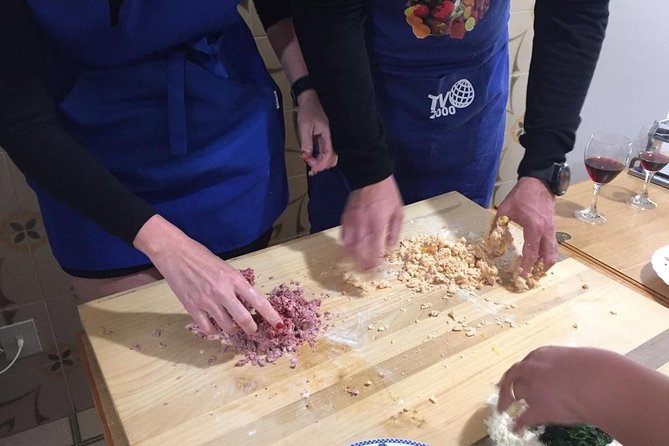
- Color your own pasta naturally: Spinach, beetroot, cacao, and squid ink bring color and flavor without relying on artificial coloring.
- Expect a small group: The class accepts a maximum of six people, which gives you more time at the worktable.
- Eat what you make: You prepare tagliatelle and ravioli, cook the pasta, and enjoy it as part of a three-course meal.
- Plan transport carefully: The address is Via S. Pergentino, 19, 52019 Pergine Valdarno AR, Italy, outside central Arezzo.
- The meal goes beyond pasta: Bruschetta, fresh herbs, Chianti wine, and crostata with seasonal jam are included.
- You leave with useful extras: Recipes and an apron are provided, so the class can continue in your own kitchen.
Why this pasta class feels personal
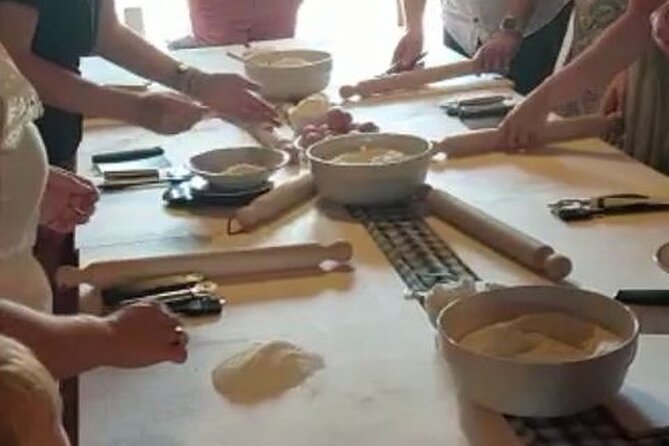
Many pasta classes are held in polished cooking schools with rows of workstations. This one takes place in a home, where the cooking feels tied to everyday Tuscan life. You are not simply watching a chef toss dough around a counter. You work with the ingredients, shape the pasta, cook it, and then eat at the same table.
That setting matters. The strongest praise is aimed at the hospitality as much as the food. Maria welcomes people into her home, explains each step, and makes time for conversation. One couple described spending several hours with her, beginning with appetizers and prosecco, working through broth, tagliatelle, and Tuscan ragù, then ending with biscotti and Vinsanto on the patio.
The advertised duration is about two and a half hours, though the actual visit may last longer. Several accounts describe an experience of roughly three to four hours. If you have a train, dinner reservation, or other fixed plan, leave room for the class to run at a relaxed home-cooking pace.
More Pasta Making Classes in Arezzo:
- Colorful Tagliatelle and Ravioli Cooking Class near Arezzo
★ 5.0 · 14 reviews - Pasta and Pizza cooking class in Cortona
★ 4.5 · 7 reviews - Private Pasta Making Class in Cortona
★ 5.0 · 2 reviews
Arriving in Pergine Valdarno, not central Arezzo
The meeting point is Via S. Pergentino, 19, in Pergine Valdarno. This is in the Arezzo area, but it is not an address in the center of Arezzo. That distinction is the most important practical issue here.
One person arrived with the wrong idea about the location and could not make the class. The provider states that the address supplied at booking was correct, but the lesson is clear: check the full meeting point before you commit. Do not type only Arezzo into a map and assume you are close.
The experience does not include hotel pickup or drop-off. Transportation can be arranged on request, and one account says the home was accessible by bus from Arezzo. Still, you should confirm the route and timing directly before the day of the class. If you are driving, use the exact street address and allow enough time to find the home without rushing.
The class ends back at the meeting point. That makes it easier to plan a round trip, but it also means you need a return plan if you are not using your own car.
Starting with bruschetta and garden herbs
The cooking begins with a welcome appetizer of mixed crostini or Italian bruschetta. The toppings are paired with herbs such as rosemary, basil, chives, and thyme, picked from the host’s garden.
This small opening course does more than fill the gap before the pasta is ready. It gives you something to eat while the group settles in and the chef explains the plan. A glass of wine is also part of the welcome, with Chianti listed as the main wine tasting inclusion. Some descriptions mention prosecco and Vinsanto as well, but the advertised meal specifically promises Chianti, so treat those extra drinks as dependent on the host’s menu.
The food is simple and local. That is part of the appeal. You are not being served an elaborate restaurant plate before class. You get bread, fresh herbs, seasoning, and wine, then move into the work that makes the meal special.
Making colorful egg pasta from scratch
The central lesson covers fresh egg pasta dough. You learn how to choose ingredients for a rustic dough with enough strength to handle rolling, cutting, and different sauces.
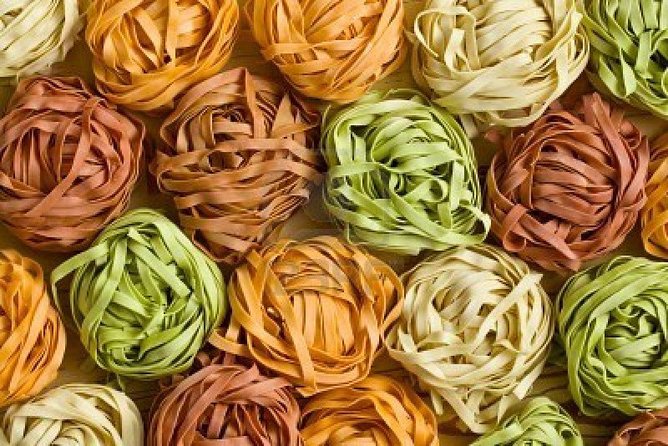
The unusual feature is the natural coloring. Spinach can create green dough, beetroot adds a red or pink tone, cacao brings brown, and squid ink produces black. These ingredients are not just decoration. They introduce different flavors and show how a familiar pasta dough can change with what you add.
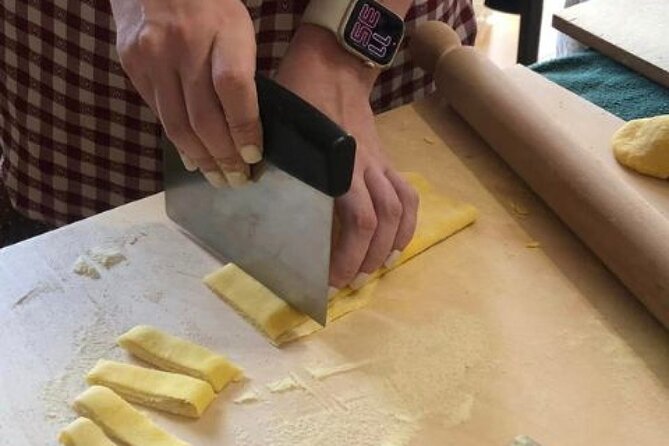
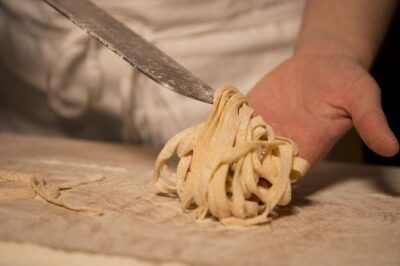
You also learn several pasta shapes, with tagliatelle and ravioli at the heart of the class. Tagliatelle gives you practice rolling and cutting long ribbons. Ravioli requires more care, since the filling must be portioned properly and the edges sealed well.
For a beginner, the useful part is the step-by-step guidance. Maria Rosaria is repeatedly praised for patience and clear instruction, and one account says the class made pasta feel easy even for people who had never tried it. You do not need to arrive as an experienced cook. The lesson is designed to give you confidence with dough, shaping, cooking, and sauce.
A few more cooking classes around Arezzo worth a look
- Hands-On Cooking Class in an Exclusive Kitchen in Cortona
★ 5.0 · 69 reviews - Exclusive Cooking Lessons in Tuscany with a Professional Chef
★ 5.0 · 39 reviews - Personal Chef – Cooking class at your villa
★ 5.0 · 26 reviews - Cooking class in Tuscan Villa near Cortona
★ 5.0 · 24 reviews
Learning how to store and serve the pasta
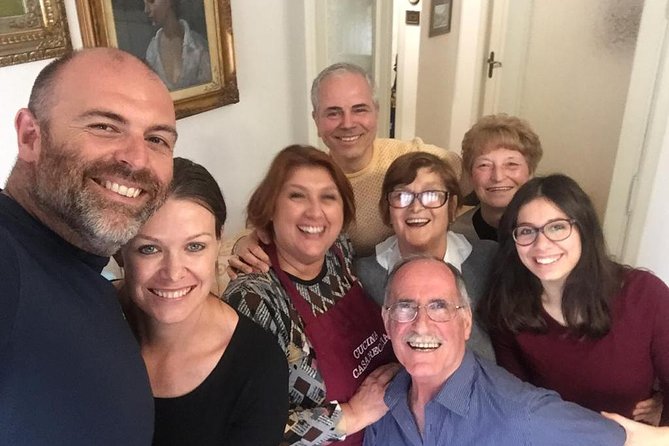
The class does not stop once the shapes are made. The chef explains different ways to store fresh pasta, which is practical information if you want to repeat the meal at home.
You also prepare a quick sauce to serve with the pasta. Some meals include a Tuscan ragù or another sauce prepared by the host, so the exact dish may vary with the day’s menu. That flexibility is typical of home cooking, where the sauce depends on available ingredients and the season.
The cooking stage is especially useful because it shows how fresh pasta behaves in the pot. You get to cook the pasta yourself, then taste the result at the table. That connection between mixing, shaping, boiling, and eating makes the technique easier to remember than a demonstration alone.
The class also provides recipes to take home. That is a real value point. A pasta lesson is only worth much if you can repeat it, and written recipes give you a better chance of recreating the meal after your holiday.
Sitting down to a three-course Tuscan meal
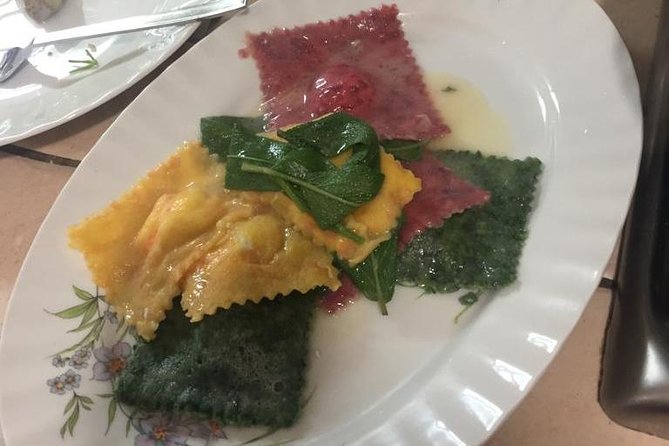
After the worktable is cleared and the pasta is cooked, you sit down for the meal. The advertised menu includes:
- Bruschetta or another appetizer
- Your handmade fresh pasta as the main course
- Homemade crostata with seasonal fruit jam
The crostata is a rustic Italian tart, and the homemade jam changes with the fruit available at the time. It is a fitting ending because it keeps the meal in the realm of home baking rather than polished restaurant desserts.
The pasta itself is the main event, but extra food may appear at the table. One account describes additional dishes prepared in advance, while another mentions ragu made to accompany the pasta. These details suggest a generous meal, but exact portions and side dishes can change.
Do not eat a large meal beforehand. The class combines an appetizer, wine, pasta, and dessert, and the cooking itself takes time. If you have dietary restrictions, tell the host when booking. The provider says allergies and special diets can be accommodated.
The hosts and teaching style
The names connected with the experience include Maria, Maria Rosaria, Gada, Valentina, and Rosie’s family. The precise host may depend on the booking date, but the consistent theme is close family-style hosting.
Maria Rosaria receives especially strong praise as a teacher. She is described as organized, patient, friendly, and able to explain the process to different skill levels. In one case, a booking mix-up meant the host was told to expect two students instead of five. She adjusted and still delivered a successful class. That is a nice sign of practical flexibility, though booking errors are still worth checking before arrival.
The small group limit helps here. With no more than six people, you are less likely to spend the whole lesson waiting for a turn. You can ask questions, handle the dough, and get corrections while rolling or shaping.
There is also a non-participation option. If you prefer to enjoy the home, talk with Maria, and watch while she prepares the meal, you can request that arrangement. This suits someone with limited mobility, little interest in cooking, or a companion who wants the social setting without the work. Confirm the arrangement ahead of time rather than assuming it will be available automatically.
Views, conversation, and the Tuscan setting
This is a cooking class first, but the setting adds atmosphere. One account describes going onto the roof to see the Tuscan hills before sitting down to eat. Another mentions watching the sunset from the patio with biscotti and Vinsanto.
Those details are not guaranteed parts of the published schedule, so I would treat them as possible extras rather than promised stops. Still, they show why this experience can feel different from a standard restaurant meal. You are spending time in a home with space for conversation, views, and a slower rhythm.
The social side may be as important as the cooking. You share the work and meal with a small group, then talk with the host and family. If you want a fast lesson with little conversation, this may feel too relaxed. If you enjoy sitting at a local table and asking questions, the pace should suit you well.
Is $119.27 a fair price?
At $119.27 per person, this is not the cheapest way to eat pasta in Tuscany. But the price includes more than dinner. You receive a hands-on lesson with a professional chef, an appetizer, wine, dessert, recipes, and an apron to take home.
The six-person limit also matters. You are paying for personal instruction rather than a large class where the chef demonstrates from a distance. The value improves if you want to learn a skill you can use later, especially since the recipes and apron extend the experience beyond the meal.
The price is harder to justify if you only want to eat. You can request a no-cooking option, but the heart of the experience is making the pasta. If you already know how to roll, cut, and fill pasta and have no interest in learning new shapes or natural coloring, a regular Tuscan meal may offer better value.
The class is also booked around 53 days ahead on average. That suggests limited availability, especially for small groups and popular travel dates. I would not leave it until the last moment if this is important to your itinerary.
Who should book this experience?
I would recommend it most strongly to:
- Couples looking for a personal meal and activity
- Families with older children who can take part in kitchen work
- First-time pasta makers
- Food-focused visitors staying in or near Arezzo
- People who want recipes and practical skills to use at home
- Anyone who prefers a home setting to a formal cooking school
It may be less suitable if you need a central Arezzo location, hotel transportation, or a tightly timed two-and-a-half-hour activity. The class can run longer than the advertised estimate, and the trip to Pergine Valdarno requires planning.
The experience also depends on enjoying shared conversation. The small setting is a strength for many people, but it leaves little room to disappear into your own group. You are visiting a private home, learning together, and eating together.
Should you book the colorful pasta class?
Book it if you want more than a plate of pasta. You will learn how to make and color egg dough, shape tagliatelle and ravioli, prepare a sauce, and sit down to a meal with wine and homemade dessert. The warm hosting, patient teaching, and small group size are the strongest reasons to go.
Before paying, check the exact address, confirm transportation from Arezzo, and disclose food allergies. I would also allow three to four hours, even though the stated duration is about two and a half. With those details handled, this is a strong choice for a personal Tuscan food experience with skills you can carry home.
FAQ
Where does the cooking class take place?
The meeting point is Via S. Pergentino, 19, 52019 Pergine Valdarno AR, Italy. The class is near Arezzo but not in central Arezzo.
How long does the experience last?
The stated duration is approximately two hours and thirty minutes. Some descriptions of the visit indicate it can last three to four hours, so you should allow extra time.
What pasta will I make?
You will make fresh egg-based pasta, including tagliatelle and ravioli. The class also covers different pasta shapes.
How is the pasta colored?
Natural ingredients include spinach, beetroot, cacao, and squid ink. These create different colors and add flavor to the pasta.
Is the class taught in English?
Yes. The experience is offered in English.
What food is included?
The meal includes bruschetta or another appetizer, handmade fresh pasta, Chianti wine tasting, and homemade crostata made with seasonal fruit jam.
Are recipes provided?
Yes. Recipes are included so you can prepare the pasta and related dishes at home.
Is an apron included?
Yes. An apron is provided as a gift for you to take home.
Can food allergies or special diets be accommodated?
Yes. You should inform the provider about allergies or special dietary requirements in advance.
Is transportation included?
Hotel pickup and drop-off are not included. Transportation can be arranged on request, and the experience ends back at the meeting point.
How many people can join the class?
The maximum group size is six people.
Can I attend without taking the cooking lesson?
Yes. You can request an option to enjoy the atmosphere and talk with Maria while she prepares the meal. This should be arranged in advance.
Can I cancel for a full refund?
Yes, if you cancel at least 24 hours before the local start time. Cancellations or changes made less than 24 hours before the start are not refunded.
Just added around Arezzo
- Tuscan Cooking Class of Homemade Pastas and Cantucci Cookies★ 5.0 · 6 reviews
- Cooking class Cortona★ 5.0 · 8 reviews
- Dining Experience at a local’s Home in Cortona with Show Cooking★ 3.5 · 8 reviews
- Dining experience at a local’s home in Arezzo with show cooking★ 3.5 · 3 reviews
- Private Pasta Making Class in Cortona★ 5.0 · 2 reviews
- 3-Hour Private Cooking Class in Cortona★ 5.0 · 2 reviews
- Hands-on Experience Cooking Class in Home Kitchen in Cortona★ 5.0 · 2 reviews
- Pasta and Pizza cooking class in Cortona★ 4.5 · 7 reviews
Pasta Making Classes, compared.
3 in 1 Cooking Class near Navona: Fettuccine, Ravioli & Tiramisu
Read our review →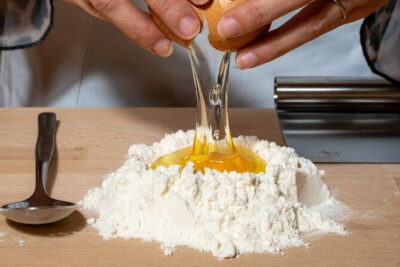
Pasta & Tiramisu Cooking Class with Unlimited Wine
Read our review →
Pasta Making Class with Wine, Limoncello, and Dessert
Read our review →
Rome Cooking Class: Make Pasta and 3 Spritz Cocktails
Read our review →
3-in-1 Fettuccine, Ravioli, and Tiramisu Cooking Class
Read our review →
Fettuccine Pasta Cooking Class in Rome’s City Center
Read our review →Lists this class appears in