REVIEW · SARDINIA, ITALY
Cagliari Home Cooking Class: Pasta, Wine & Sardinian Flavors
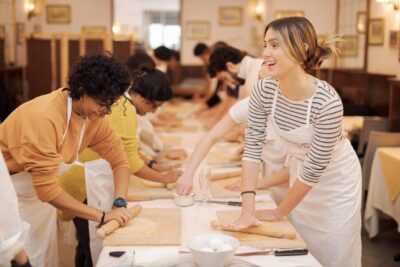
Come hungry, leave with recipes. This three-hour Cagliari cooking class gives you a hands-on way to meet Sardinia through its food, from shaping culurgiones to sharing antipasti, wine, dessert, and homemade Mirto. I like the small group limit of six, and I like that the meal is prepared and eaten in a real local kitchen rather than served as a staged demonstration. The main consideration is location: it is near Cagliari Airport, not presented as a central sightseeing tour, and hotel pickup is not included.
The class costs $98 per person. That is a fair price if you value both instruction and a full meal, since the fee includes pasta making, a three-course lunch or dinner, regional wine, dessert, Mirto, and digital recipes. The only possible snag is timing. You will need to check the available start time and allow extra time to reach the meeting point, where you ring the entryphone marked Callegari.
Key points at a glance
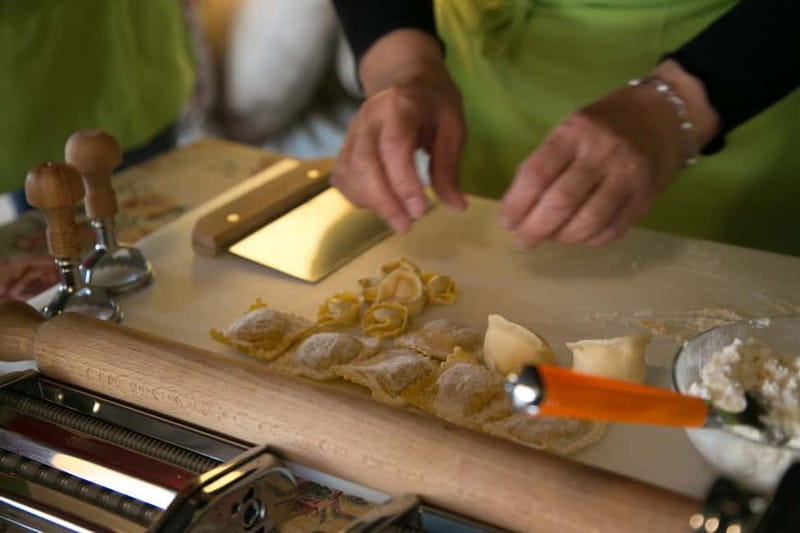
- You make two Sardinian pasta styles: Learn to shape culurgiones, the island’s filled pasta, as well as fresh tagliatelle.
- The group is limited to six: This small size gives the instructor room to help with folding, rolling, and shaping.
- The meal includes more than pasta: Expect Sardinian cheeses, cured meats, local honey, regional wine, dessert, and Mirto.
- The setting is a real home kitchen: The focus is on family-style cooking and local hospitality, not a formal restaurant performance.
- English, German, Italian, and Spanish are offered: You can choose from four listed teaching languages when checking availability.
- The airport location can be useful: It may fit well before a flight or after arrival, though you arrange your own transport.
Starting in a Sardinian kitchen near Cagliari Airport
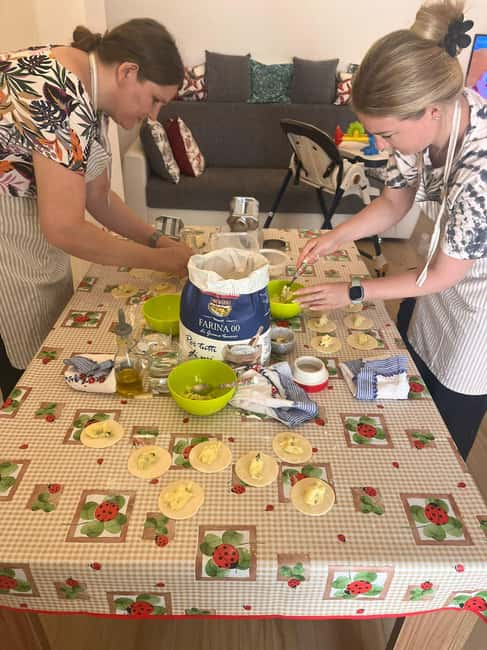
The experience takes place in a home kitchen near Cagliari Airport. That location gives the class a practical angle for airport arrivals and departures, especially if you want one last local meal before leaving Sardinia or an early food experience after landing.
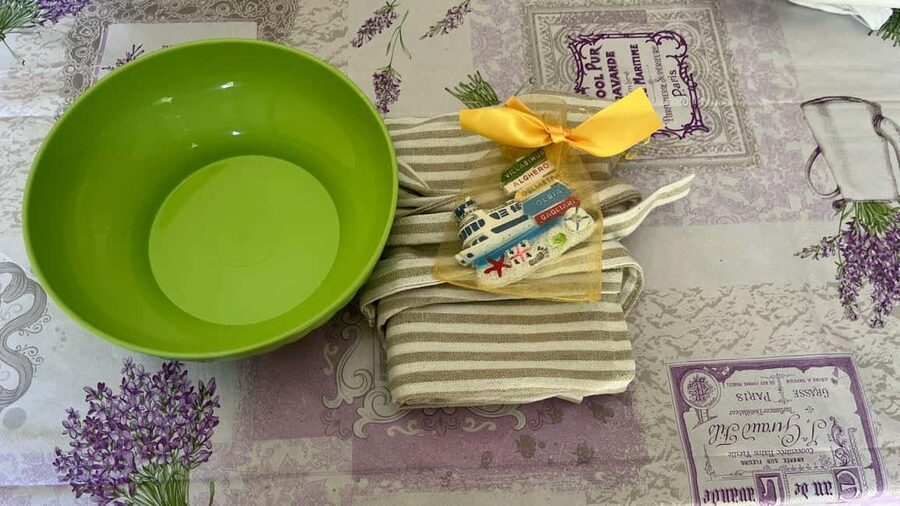
You do not get hotel pickup or drop-off, so plan your route before booking. The meeting instruction is simple: when you arrive, ring the entryphone labeled Callegari. Since this is a private-style home setting rather than a large public venue, paying attention to that detail matters.
The kitchen setting is part of the appeal. You are not simply seated at a table while someone cooks for you. You work with local flours and basic methods, then sit down to eat what you helped prepare. That makes the experience feel closer to a meal with a Sardinian household than to a standard restaurant class.
The setting also means you should think about your own preferences. If you want a polished cooking school, professional stations, or a long menu of dishes, this may feel simple. If you want direct instruction and a friendly meal in a clean, bright space, it is a better fit.
More Cooking Classes with Wine Tasting in Italy
- Florence: Pasta Cooking Class with Unlimited Wine
★ 4.9 · 10,285 reviews - Florence: Pasta & Tiramisu Cooking Class with Unlimited Wine
★ 4.9 · 6,708 reviews - Rome: Pasta Making Class with Wine, Limoncello, and Dessert
★ 4.9 · 3,177 reviews
Learning to shape culurgiones and tagliatelle
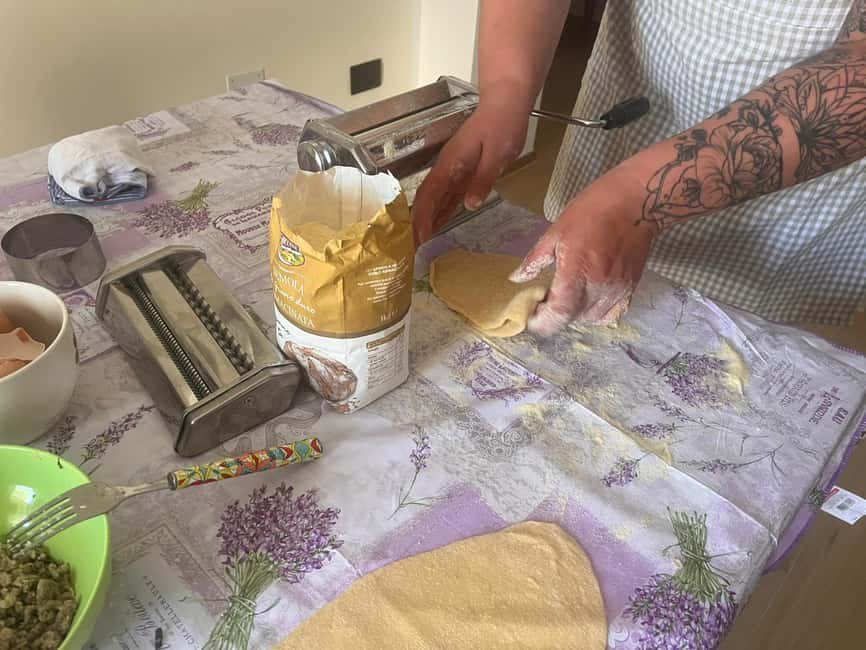
The cooking lesson centers on two forms of fresh pasta: culurgiones and tagliatelle. You work by hand, using local flour and straightforward techniques that have been passed down through generations.
Culurgiones are the more distinctive part of the lesson. These Sardinian ravioli are filled and folded, and the shape takes a little care. The folding is not just decoration. It is the skill that turns a piece of pasta dough into the recognizable Sardinian form, so this is where patience helps.
You also prepare fresh tagliatelle. This gives the class a useful contrast. Culurgiones teach you about filled pasta and careful sealing, while tagliatelle lets you work with a more familiar ribbon shape. If you have never made pasta before, you are not expected to arrive with experience. The class is designed for beginners, and the instructor guides you through the process.
The small group size matters here. With no more than six participants, you have a better chance of getting help when dough sticks, a filling escapes, or a fold looks less than perfect. Several high-scoring accounts specifically praise the patience of the hosts. Giulia was described as clear and helpful while teaching culurgiones, and Maria was especially patient with a young daughter.
That makes this a good pick for mixed-experience groups. One person can arrive as a serious home cook, while another has never worked with pasta. You will not need to pretend you know what you are doing. The class is built around learning by doing.
There is also a useful take-home benefit. Digital recipes are included, so the lesson does not end when you leave the kitchen. You can try the pasta again at home, though your first batch may still need practice to match the local version.
The meal begins with Sardinian antipasti
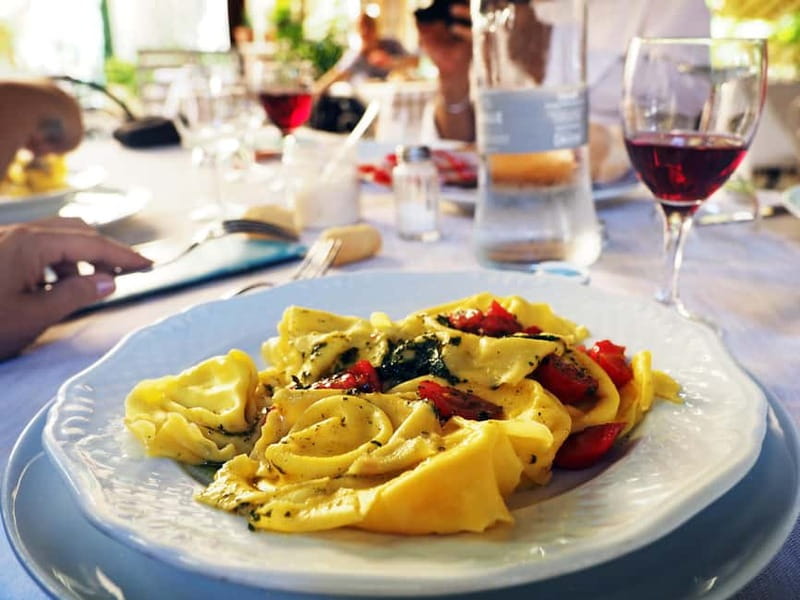
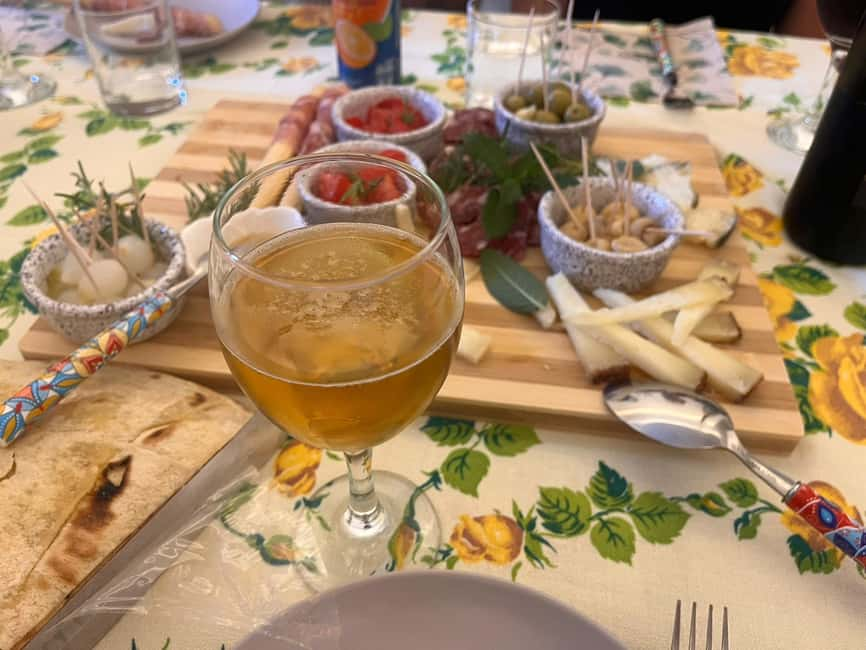
Once the pasta work is finished, the class shifts from preparation to a shared meal. The first course is a traditional antipasto platter with Sardinian cheeses, cured meats, local honey, and regional wine.
This is important because it gives you a broader taste of the island than pasta alone. Cheese and cured meat show the savory side of Sardinian food, while honey adds a sweet contrast. The wine turns the meal into a social pause, which suits the home-cooking format.
The antipasti also gives you something to eat while the handmade pasta is prepared or served. A three-hour class can feel long if the meal comes only at the end, but this spread helps the experience move from lesson to lunch or dinner without a hard break.
The food is described as a three-course meal, with the antipasti, pasta, and dessert forming the main structure. Some accounts also mention extra homemade bread, so you might find an additional touch or two beyond the stated inclusions. I would treat those extras as pleasant surprises rather than guaranteed parts of the meal.
If you are looking for a light snack, take note: this is meant to be a proper meal. One participant specifically described leaving full, which makes the $98 price easier to justify for people who want dinner included rather than a short cooking demonstration.
Eating the pasta you made yourself
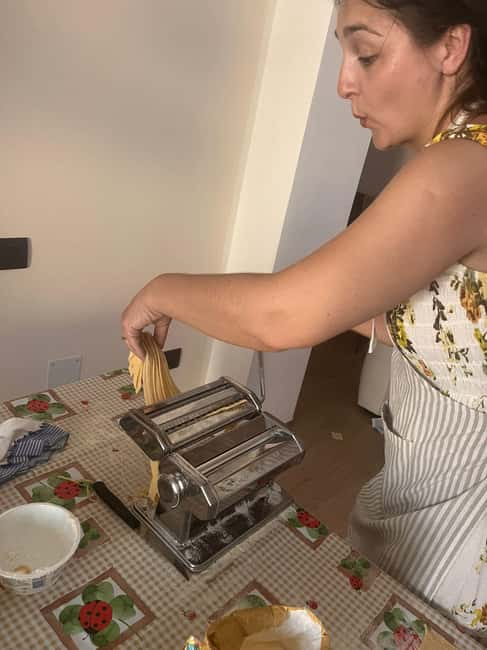
The central reward comes when the culurgiones and tagliatelle reach the table. The pasta you prepared is served with traditional sauces, letting you see how the dough and filling work as part of a finished dish.
This is where the class has more value than a simple tasting. You have handled the ingredients, made the shapes, and then tasted the result. Imperfect folds become part of the fun, and you get a better sense of why fresh pasta depends on touch, thickness, and timing.
Several accounts praise the meal itself, describing the pasta as delicious and the finished dishes as a highlight. The strongest praise, though, is aimed at the hosts. Giulia is repeatedly described as friendly, patient, and skilled at making the process feel manageable. That matters because pasta making can become frustrating if instructions move too quickly.
You should also keep your expectations sensible. This is a local home-cooking activity, not a chef-led tasting menu. The attraction is the chance to make traditional food and eat it in a relaxed setting. If you want highly technical culinary training, you may find the lesson modest. If you want to learn a few useful techniques and enjoy the result, it delivers more.
More Home Cooking Classes in Italy
- Pastamama, Home Cooking Classes at Grace’s Home
★ 5.0 · 521 reviews - Traditional Home Cooking Experience in Venice
★ 5.0 · 377 reviews - Catania: Pistachio Ravioli, Pasta Home Cooking Class w/ Wine
★ 4.7 · 204 reviews - 3-Recipe Italian Cooking Class in Como – Cesarine Best NYT Hosts
★ 5.0 · 186 reviews
Dessert and homemade Mirto finish the meal
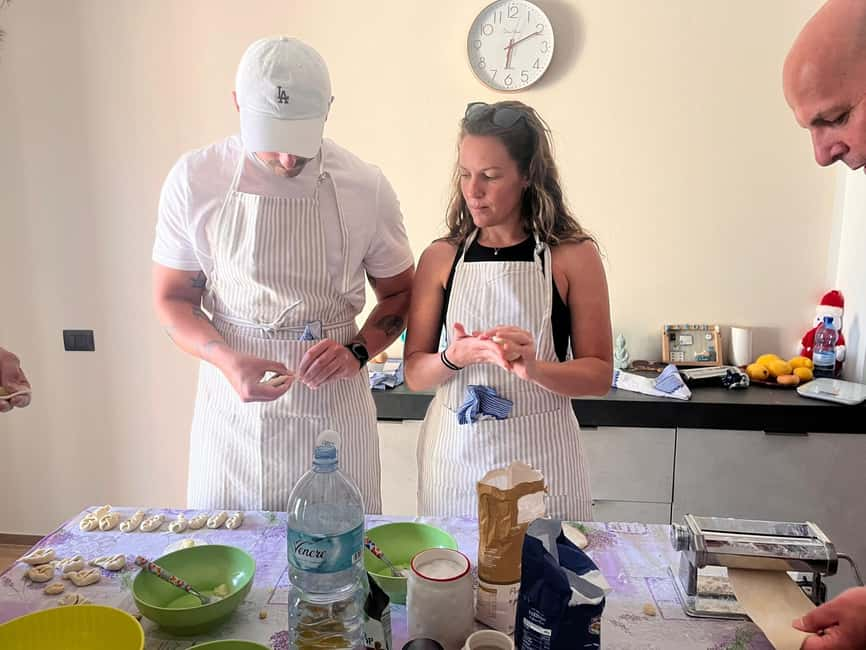
The final course is a typical Sardinian dessert, followed by a glass of homemade Mirto. Mirto is the island’s well-known myrtle liqueur, and it gives the meal a distinctly local finish.
The drink is included, so you do not need to order it separately. It is also a nice cultural detail. A pasta class could easily end with coffee or a generic sweet, but Mirto connects the meal to Sardinian food traditions.
You should remember that Mirto is alcoholic. The supplied details do not specify a nonalcoholic substitute, so anyone avoiding alcohol should ask about alternatives before booking. The same practical rule applies to dietary restrictions and allergies: the published information lists the included foods but does not explain substitutions.
The dessert and liqueur help make the class feel like a complete Sardinian meal rather than a workshop with a quick bite afterward. You leave having cooked, eaten, and sampled a local after-dinner tradition.
What the $98 price really covers
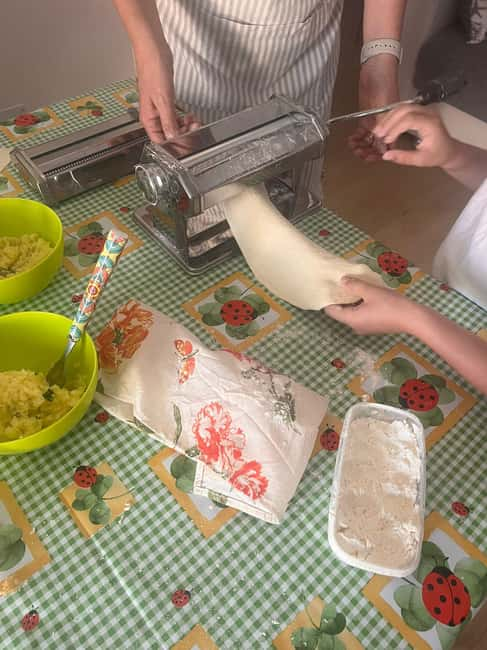
At $98 per person, the price is not just paying for a lesson. It includes three hours of instruction, the hands-on pasta session, a full meal, antipasti, regional wine, dessert, homemade Mirto, and digital recipes.
I see the strongest value in the combination of food and personal attention. A shorter class with no meal might cost less, but you would miss the long shared table experience. A restaurant meal gives you finished food, but not the chance to shape culurgiones or learn how to make tagliatelle.
The small group limit also supports the price. Six people is small enough for direct help, especially when the class reaches the fiddly part of folding filled pasta. The positive comments repeatedly focus on the hosts’ patience and the quality of the food, which are the two things that make this kind of experience worth paying for.
Still, the value depends on what you want from your time in Cagliari. If you are mainly interested in museums, ruins, or a walking tour, this class uses three hours for a seated food activity. If you already have a kitchen and cook pasta often, the lesson may teach fewer new skills. For food lovers and first-time pasta makers, the meal and recipes make the price easier to defend.
A small group with several language choices
The class is limited to six participants and is offered in English, German, Italian, and Spanish. That is a practical advantage for couples, families, and small groups who want a more personal setting.
The language choices also make the class accessible to people who are not comfortable learning cooking techniques in Italian. Still, check the available language and time when you book, since the details provided do not promise that every session uses all four languages.
The family angle is worth noting. Maria was praised for being patient with a young daughter, and the activity does not require previous cooking experience. The supplied information does not give a minimum age, though, so families should confirm that point before reserving.
The group size should also make conversation easier. You are likely to share the table with a handful of people rather than a coachload, although the exact mix of participants can change. That small scale suits anyone who likes asking questions and getting personal help.
How to plan the timing and meeting point
The class lasts three hours, but you should plan more time around it for getting to and from the venue. Hotel transportation is not included, and no transfer service is listed.
The airport location can work well for a specific kind of schedule. You might book it near the beginning or end of your Sardinia stay, especially if you want an activity close to Cagliari Airport. I would not assume it is a convenient substitute for a city-center walking tour. Check the route carefully and arrive with enough time to find the entryphone.
The meeting instruction is to ring the entryphone marked Callegari. That is the kind of small detail that can prevent an awkward arrival at a residential-style venue.
You can cancel up to 24 hours in advance for a full refund, and the reserve-now, pay-later option keeps your plans flexible. Those terms are useful if your Cagliari schedule is still changing, though you should confirm the selected time before finalizing other plans.
Who will enjoy this Cagliari cooking class?
I would recommend it most strongly to:
- First-time pasta makers who want friendly, practical instruction
- Couples looking for a shared food activity
- Families with children who enjoy hands-on cooking, after confirming age rules
- People who want a local meal rather than another formal restaurant
- Visitors with a free three-hour window near Cagliari Airport
- Home cooks who want Sardinian recipes to try later
It may be less suitable if you need hotel transfers, want a central sightseeing activity, or prefer a short tasting without hands-on work. It also may not fit people avoiding alcohol unless the host can offer suitable alternatives.
The 4.9 rating from 61 reviews supports the overall picture: the hosts, food, and friendly teaching are the main strengths. The most consistent praise goes to Giulia and Maria for patience and warmth, while the food earns strong marks for both quality and quantity.
Should you book it?
Book this class if you want to do more than photograph Sardinian food. You will make culurgiones and tagliatelle, eat antipasti and pasta with regional wine, finish with dessert and Mirto, and take home digital recipes.
At $98, it is good value for a full three-hour food experience, especially with a group capped at six. I would book it for a relaxed day, a special evening, or an airport-side activity, but I would first check the route, start time, language, and any dietary needs. If those details fit, this is an easy way to add real local cooking and generous Sardinian hospitality to your Cagliari plans.
FAQ
How long does the Cagliari cooking class last?
The experience lasts three hours.
How much does the cooking class cost?
The price is $98 per person.
What pasta will I learn to make?
You will learn to make traditional Sardinian culurgiones and fresh tagliatelle by hand.
Is previous cooking experience required?
No. The class is designed for beginners and does not require previous pasta-making experience.
What food and drinks are included?
The experience includes Sardinian antipasti with cheeses, cured meats, and local honey, regional wine, the pasta you prepare, a three-course lunch or dinner, a traditional Sardinian dessert, and homemade Mirto liqueur.
Are recipes included?
Yes. Digital recipes are provided to take home.
What languages are available?
The instructor languages are English, German, Italian, and Spanish.
Is transportation from my hotel included?
No. Hotel pickup and drop-off are not included. The meeting point is near Cagliari Airport, and you should ring the entryphone labeled Callegari when you arrive.
More Pasta Making Classes in Italy
- 3 in 1 Cooking Class near Navona: Fettuccine, Ravioli & Tiramisu
★ 5.0 · 7,376 reviews - Pastamania – Florence Pasta Making Class
★ 5.0 · 3,050 reviews - Rome Cooking Class: Make Pasta and 3 Spritz Cocktails
★ 5.0 · 2,937 reviews - Rome: 3-in-1 Fettuccine, Ravioli, and Tiramisu Cooking Class
★ 4.9 · 2,704 reviews
Just added around Italy
- Cooking Class in a Sicilian countryhouse★ 5.0 · 5 reviews
- Cesarine: Home Cooking Class & Meal with a Local in Catania★ 4.5 · 10 reviews
- Cesarine: Market Tour & Home Cooking Class in Catania★ 4.0 · 6 reviews
- Cooking Class in Taormina with Lunch Included★ 5.0 · 2 reviews
- Cooking Class and Wine Pairing in Capri★ 5.0 · 57 reviews
- Cooking class in Capri for small groups★ 4.0 · 4 reviews
- Private Cooking Class Experience in Reggio Calabria★ 5.0 · 5 reviews
- Lezione di Cucina : Pasta Fresca★ 5.0 · 12 reviews
Pasta Making Classes, compared.


3 in 1 Cooking Class near Navona: Fettuccine, Ravioli & Tiramisu
Read our review →
Pasta & Tiramisu Cooking Class with Unlimited Wine
Read our review →
Pasta Making Class with Wine, Limoncello, and Dessert
Read our review →
Rome Cooking Class: Make Pasta and 3 Spritz Cocktails
Read our review →
3-in-1 Fettuccine, Ravioli, and Tiramisu Cooking Class
Read our review →