
REVIEW · LOMBARDY, ITALY
Bergamo: Pasta & Tiramisu Cooking Class at a Local’s Home
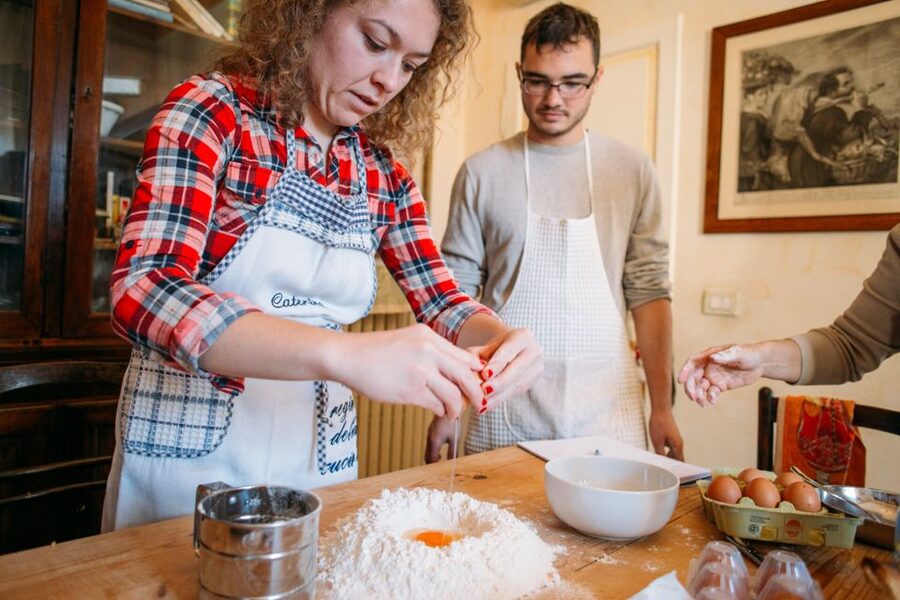
Roll pasta, then eat what you made. This three-hour class brings you into a local home in Bergamo to learn two kinds of fresh pasta and tiramisu from an Italian home cook. I like the hands-on cooking and the chance to share the meal with other people who enjoy Italian food. I also like that prosecco, wine, coffee, and nibbles are included, so the class feels like a complete meal rather than a quick demonstration.
The main tradeoff is the price, $152.93 per person. That is a serious sum for a cooking lesson, but it covers an aperitivo, a full meal of your pasta, tiramisu, and drinks. You also need to wait for the host’s private address after booking, and the experience is not suitable for wheelchair users.
Key details before you book
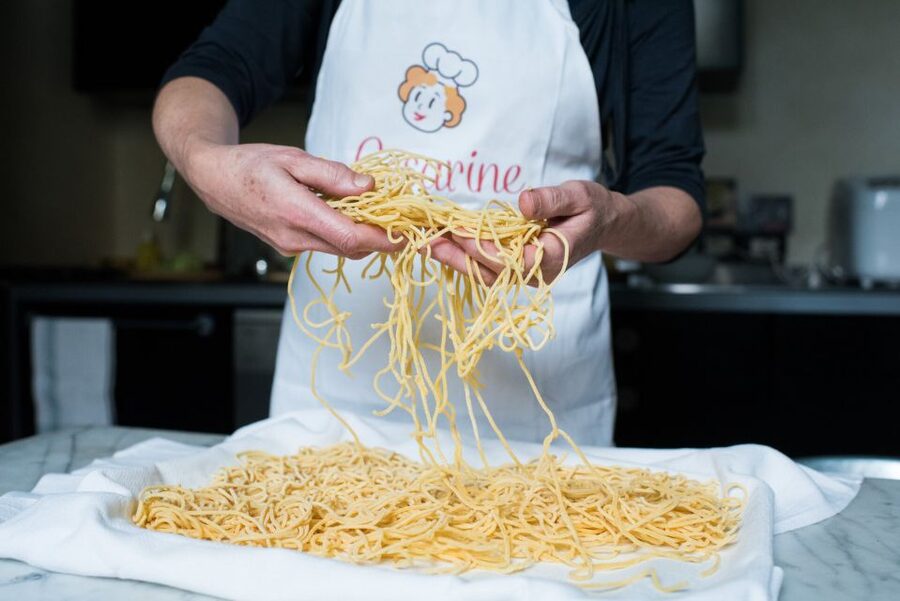
- Two pasta recipes from scratch: You learn to roll sfoglia, the thin sheet of fresh pasta, by hand and prepare two different pasta dishes.
- Tiramisu is part of the class: The dessert is not an afterthought. You prepare this famous Italian sweet and eat it with the rest of your meal.
- A real home replaces a formal cooking school: Cesarine pairs you with a local home cook in Bergamo, giving the class a personal setting.
- Food and drinks are included: Expect prosecco and small bites at the start, followed by your pasta, tiramisu, water, local wines, and coffee.
- Host matching matters: Cesarine asks about allergies, food intolerance, your neighborhood, and how you plan to reach the home before sending the address.
- Stefania has earned special praise: If your booking places you with Stefania, you can expect a warm, welcoming host who made a particularly strong impression.
What the three-hour Bergamo class feels like
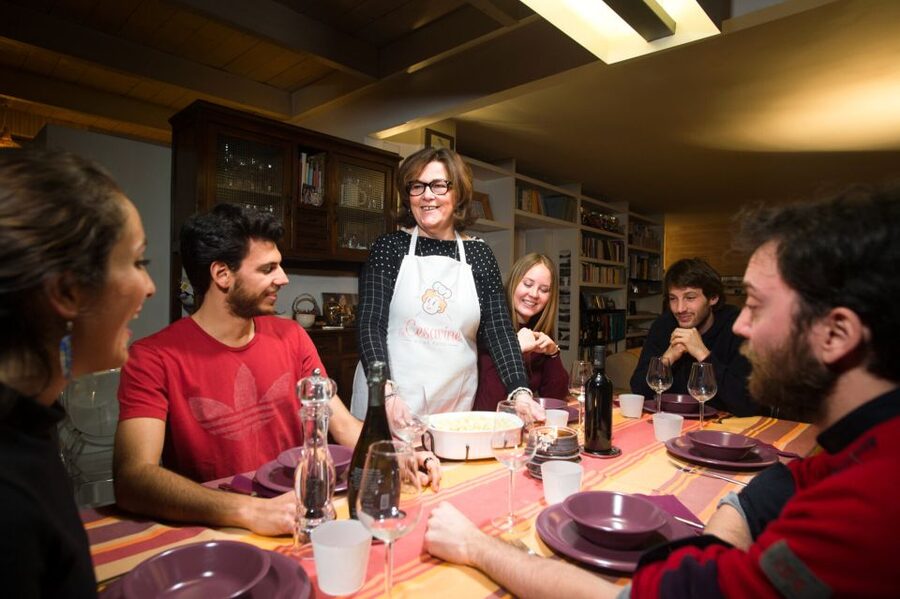
This is not a class where you sit at a counter and watch someone else do all the work. You make the food yourself, with a local cook guiding you through the process. That difference matters. Fresh pasta can look simple until you try to get the dough to the right texture and thickness.
The class takes place in a private home, not at a public meeting point. For privacy, you receive the full address only after booking. That arrangement gives the experience a more personal feel, but it also means you need to read your booking messages carefully and plan your route once the host’s details arrive.
Cesarine is a nationwide network of home cooks, with hosts in more than 500 Italian cities. The idea is straightforward: local cooks open their kitchens and share family recipes and regional food traditions. In Bergamo, the setting should help you connect food with ordinary Italian home life rather than with a restaurant kitchen.
The class is offered in Italian and English. That makes it practical for English-speaking visitors, though the amount of English instruction may depend on your individual host. The format works best if you enjoy asking questions, trying things with your hands, and accepting that homemade pasta is not meant to look factory-perfect.
More Pasta Making Classes in Italy:
- Florence: Pasta Cooking Class with Unlimited Wine
★ 4.9 · 10,285 reviews - 3 in 1 Cooking Class near Navona: Fettuccine, Ravioli & Tiramisu
★ 5.0 · 7,376 reviews - Florence: Pasta & Tiramisu Cooking Class with Unlimited Wine
★ 4.9 · 6,708 reviews
Starting with prosecco and Italian small bites
The meal begins with an Italian aperitivo, including prosecco and nibbles. This opening is more than a pleasant extra. In Italy, an aperitivo helps people settle in, talk, and prepare for a meal. Here, it also gives you time to meet the home cook and the other people sharing the class.
I like this part because it makes the experience social from the start. You are not simply arriving, cooking in silence, and leaving. You have a chance to talk about food, compare travel plans, and share your interest in Italian cuisine before the work begins.
The prosecco also helps mark the class as a meal rather than a lesson alone. Since the finished pasta and tiramisu become lunch or dinner, the aperitivo creates a natural beginning to the occasion.
Do not expect a large tasting menu at this point. The main food comes later, after you have helped prepare it. The nibbles are there to start the gathering, not to replace the meal.
Rolling sfoglia by hand
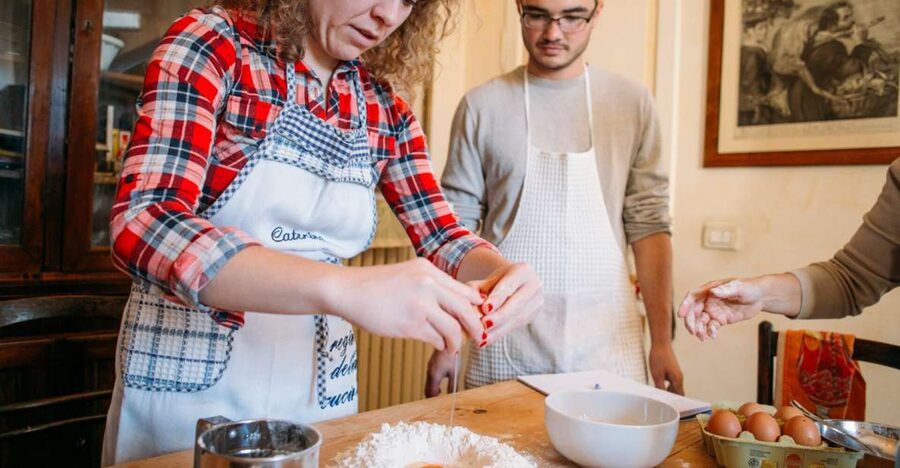
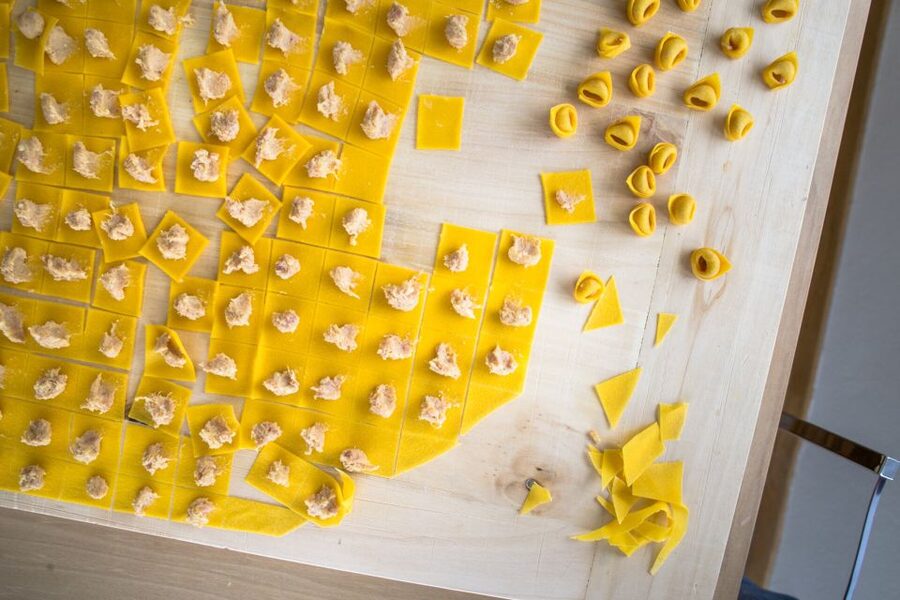
The pasta portion begins with the basics of fresh dough and the rolling of sfoglia. This is one of the most useful skills in the class because it shows you the physical work behind handmade pasta. You get to feel how the dough changes as it is worked and rolled.
You will prepare two simple types of pasta from scratch. The exact pasta shapes are not specified in advance, so do not book this expecting one particular regional shape or a fixed menu. Instead, think of the class as a chance to learn a pair of practical pasta preparations from your host.
I like that the experience teaches two pasta recipes rather than just one. You get more variety at the table, and you leave with more than one idea to try at home. The host also gives tips for recreating the dishes, which is important because the real value of a cooking class often appears later, in your own kitchen.
The hand-rolling process may be the most demanding part for some people. You need to work carefully and pay attention to the host’s demonstrations. If your pasta is uneven, that is part of the charm. Homemade food should taste good, not pass an industrial quality check.
The class is shared, so you should expect to work around other people rather than receive a private one-on-one lesson. That makes the atmosphere more sociable, though anyone seeking an intensive private tutorial may prefer a different format.
Preparing two pasta dishes with a local cook
Once the pasta has been rolled and shaped, you prepare two finished pasta recipes with your host. The supplied details describe them as simple and traditional, but do not name the dishes. That is worth noting if you have strict menu expectations.
The lack of named recipes can actually be a plus. Cesarine hosts serve local specialties from family cookbooks, so the meal may reflect the cook’s household and regional habits. You are not just following a universal recipe copied from a tourist manual. You are learning how one Italian home cook approaches familiar food.
Watch closely when the host explains the small decisions that recipes often leave out. Pasta making depends on texture, timing, and touch. The best tips may involve things such as how the dough should feel or how to handle the sheets, rather than a long list of ingredients.
Food allergies and intolerances need attention before you arrive. Cesarine asks you to provide this information when booking or by email, along with your booking reference and name. That is helpful, but you should still communicate clearly and early. The host needs time to match the menu and home cook to your needs.
When the pasta is ready, you eat the two dishes you helped prepare. This is where the lesson becomes a proper Italian meal. You can taste the difference between freshly made pasta and dried pasta, while also seeing how much work goes into a dish that may look simple on the plate.
More Tiramisu and Dessert Classes in Italy:
- Rome: Pasta Making Class with Wine, Limoncello, and Dessert
★ 4.9 · 3,177 reviews - Rome: 3-in-1 Fettuccine, Ravioli, and Tiramisu Cooking Class
★ 4.9 · 2,704 reviews - Florence: Cooking Class Pasta & Tiramisu Making Unlimited Wine
★ 5.0 · 2,234 reviews - Fettuccine & Tiramisù: Cooking Class with Wine & Limoncello
★ 4.9 · 2,103 reviews
Making tiramisu before the meal ends
Tiramisu provides the sweet finish and adds another useful skill to the class. You prepare the dessert yourself, then eat it as part of the final meal.
The appeal here is practical. Pasta may require special rolling practice, but tiramisu is a dish you can repeat at home without buying a pasta machine or special tool. The host’s guidance can help you understand the method, not just copy a list of ingredients.
Since the class includes both savory food and dessert, you get a more complete picture of an Italian home meal. You are not spending three hours on one narrow technique. You are learning a first course or main course and a well-known dessert in the same sitting.
The order of the meal may vary depending on the host’s routine and the class timing. The experience is described as lunch or dinner, so check the available starting time when you book. A morning or midday start may lead to lunch, while a later start may work as dinner.
Wine, coffee, and the value of the meal
The price is $152.93 per person. At first glance, that is high for a three-hour activity. The better question is what the price includes.
You receive an aperitivo with prosecco and nibbles, instruction for two pasta recipes, a tiramisu-making lesson, the meal you prepared, water, local wines, and coffee. You are also paying for access to a local home cook and a small social setting, not simply for a plate of pasta.
I would consider this good value if you want a food-centered cultural experience and would otherwise spend money on a meal, drinks, and a separate activity. It is less convincing value if your main goal is simply to eat inexpensive pasta or if you already cook fresh pasta regularly.
The wine is local, which fits the regional focus of the meal. You can sip it while eating the food you made, rather than treating the class as a dry technical workshop. If you do not drink alcohol, the package still includes water and coffee, but the price does not appear to change based on skipping prosecco or wine.
The shared format also affects the value. You are likely paying for conversation and a communal meal as much as for direct instruction. If you prefer privacy, a private class would be a better match, though this particular experience is designed as a shared activity.
Why the host makes the difference
The host is the heart of this experience. The food matters, but the tone of a home class depends heavily on the person welcoming you into the kitchen.
One host named Stefania received especially warm praise, with particular appreciation for her kindness. If she is your assigned cook, that is a useful sign of the welcoming spirit Cesarine aims for. You should not assume she will host every booking, however. Cesarine matches people with local cooks based partly on practical details such as allergies, location, and transport plans.
The matching process is one of the more thoughtful parts of the arrangement. You provide the neighborhood where you are staying and how you plan to travel to the host’s home. Cesarine then sends the host’s name, telephone number, and full address after receiving the necessary information.
That extra step requires patience. You cannot plan the exact route from the original booking page because the home address remains private until your host is confirmed. Once you receive it, save the details and contact the host if you need help finding the home.
Getting there and planning your time
The meeting point is the host’s home, and the activity ends there. Because the address is private, you need to allow time for the journey after booking. The company asks how you plan to travel, which should help with the host match and practical instructions.
Do not schedule a major attraction immediately after the class. The advertised duration is three hours, but cooking and eating in a home can feel unhurried. You may also need extra time to return to central Bergamo, depending on the location of your assigned host.
Starting times vary, so check availability before building the class into your day. A food class works best when you are not watching the clock. Leave room for the aperitivo, hands-on preparation, the meal, and the natural conversation that comes with sitting around a table.
The experience is not suitable for wheelchair users. The home setting means accessibility details can vary, and no broader access information is provided. If mobility is a concern, contact the operator before booking rather than relying on general assumptions.
Who will enjoy this class most

I would recommend this experience to you if you meet several of these conditions:
- You want to cook, not just watch.
- You enjoy meeting local people in a home setting.
- You like Italian food and want to learn more than one recipe.
- You are happy with a shared class rather than a private lesson.
- You value a full meal with drinks as part of the activity.
- You have enough time in Bergamo for a three-hour commitment plus transport.
Families, couples, solo visitors, and small groups may all fit the format, but the key factor is attitude. You should be willing to work with others and accept a menu shaped by the host’s family traditions.
I would hesitate if you need a fully fixed menu, a named pasta shape, a private teacher, or guaranteed wheelchair access. I would also think twice if $152.93 feels too high for an activity centered on food you could order more cheaply in a restaurant.
Cancellation and booking flexibility
You can cancel up to 24 hours before the experience for a full refund. The reserve-now-and-pay-later option lets you hold a place without paying immediately, which is useful when your Bergamo schedule is still changing.
Provide allergy and food intolerance details at booking, or email them to [email protected] with your booking reference and name. Include your accommodation neighborhood and planned transport method as well. Cesarine’s customer operations team is available seven days a week if you need more information before the class.
Should you book the Bergamo pasta class?
Book it if you want a personal food experience that combines instruction, conversation, and dinner in one three-hour visit. The strongest features are the home setting, two pasta preparations, handmade sfoglia, tiramisu, and drinks already included in the price.
I would call it a worthwhile splurge for food lovers who want to take a little Italian cooking home with them. Just remember that the exact host and address come later, the menu is not fully specified, and the price is much higher than an ordinary meal. If those points suit you, this is a pleasant way to spend part of your Bergamo stay and learn from someone who cooks Italian food as part of everyday life.
FAQ
How long does the Bergamo cooking class last?
The experience lasts three hours. Starting times vary, so check availability before booking.
What will I learn to cook?
You will learn to roll sfoglia by hand, prepare two different types of fresh pasta from scratch, and make tiramisu.
Is the meal included?
Yes. You eat the two pasta dishes and tiramisu you prepare during the class.
Are drinks included?
Yes. The experience includes prosecco and aperitivo nibbles, water, local wines, and coffee.
Where does the class take place?
The class takes place in a local person’s home in Bergamo. The full address and host details are sent after booking for privacy reasons.
What languages are available?
The class is offered in Italian and English.
Can I cancel the booking?
Yes. You can cancel up to 24 hours in advance for a full refund.
Just added around Italy
- Cooking Class in a Sicilian countryhouse★ 5.0 · 5 reviews
- Cesarine: Home Cooking Class & Meal with a Local in Catania★ 4.5 · 10 reviews
- Cesarine: Market Tour & Home Cooking Class in Catania★ 4.0 · 6 reviews
- Cooking Class in Taormina with Lunch Included★ 5.0 · 2 reviews
- Cooking Class and Wine Pairing in Capri★ 5.0 · 57 reviews
- Cooking class in Capri for small groups★ 4.0 · 4 reviews
- Private Cooking Class Experience in Reggio Calabria★ 5.0 · 5 reviews
- Lezione di Cucina : Pasta Fresca★ 5.0 · 12 reviews
Pasta Making Classes, compared.


3 in 1 Cooking Class near Navona: Fettuccine, Ravioli & Tiramisu
Read our review →
Pasta & Tiramisu Cooking Class with Unlimited Wine
Read our review →
Pasta Making Class with Wine, Limoncello, and Dessert
Read our review →
Rome Cooking Class: Make Pasta and 3 Spritz Cocktails
Read our review →
3-in-1 Fettuccine, Ravioli, and Tiramisu Cooking Class
Read our review →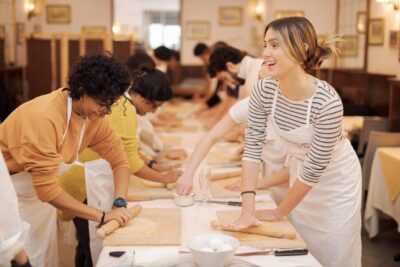
Fettuccine Pasta Cooking Class in Rome’s City Center
Read our review →Lists this class appears in