
REVIEW · STATE OF MEXICO, MEXICO
Authentic Mexican Salsas Workshop
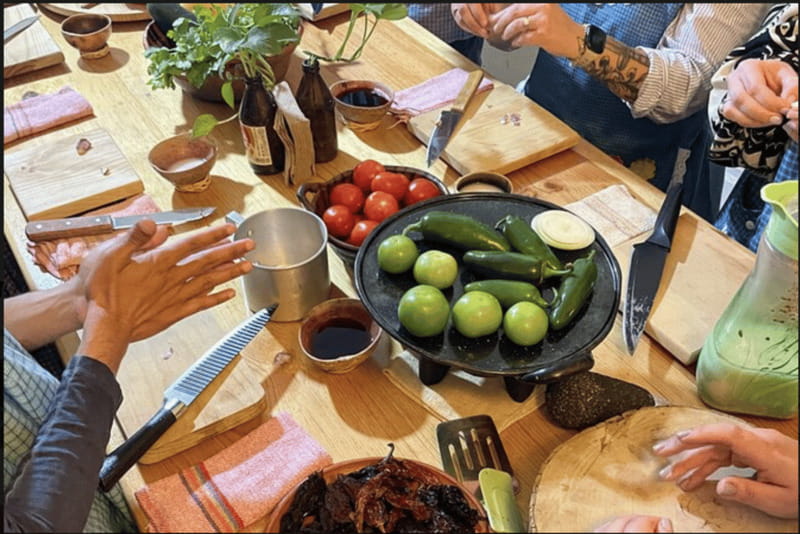
Fresh salsa tells Mexico’s story. This 2.5-hour class begins at a historic church in Tacuba, then moves into the local market for ingredients before you cook four styles of salsa with local chefs. I like the market visit and the fact that you make everything yourself, not just watch a chef work. The main drawback is the walk between the plaza and cooking space, which one review found uncomfortable because of people sleeping rough in the area.
The class is especially appealing for food lovers, small groups, and team-building outings. I also like that every salsa is plant based, that recipes go home with you, and that the hosts, Oscar and Messli, have been praised for warm, personal hospitality. Just keep your expectations practical: this is a local neighborhood experience, not a polished cooking studio in one of Mexico City’s most fashionable districts.
Key Details Before You Book
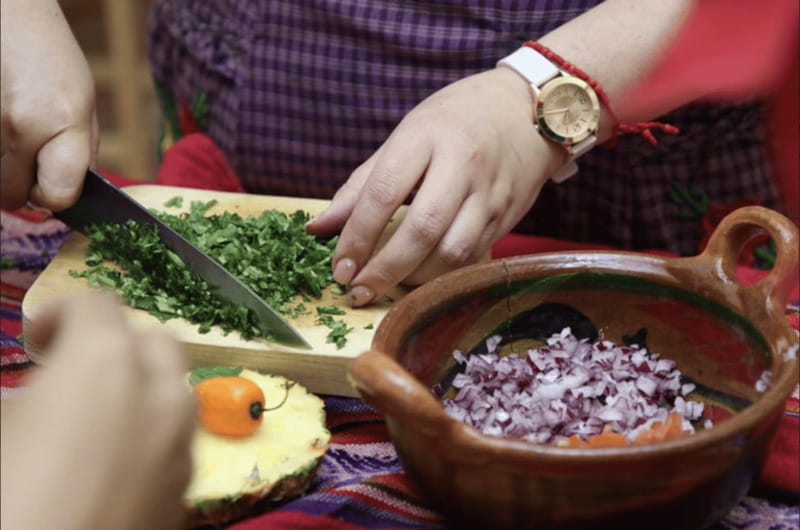
- Four traditional salsa methods: Prepare raw, fried, boiled, and roasted salsas, each with its own chile, texture, flavor, and spice level.
- Tacuba market shopping: Start by choosing fresh ingredients near an ancient church with a history reaching back before the Spanish arrival.
- Quesadillas and unlimited jamaica: Make quesadillas to eat with your salsas, with totopos and as much hibiscus water as you can handle.
- A small, hands-on group: The class is limited to 10 people, so you should have a real role in the cooking.
- A useful souvenir: Leave with a jar of fresh salsa and recipes you can make again at home.
- Good for private groups: The hosts can also arrange meals such as burritos, tamales, pozole, ceviche, and fish tacos.
Starting at Tacuba’s Historic Church
The experience begins at an ancient church in the heart of Tacuba. The supplied information does not give the church’s name, but it does place the meeting point close to Tacuba Market and emphasizes the area’s long pre-Hispanic past.
That setting gives the class a stronger sense of place than a cooking lesson held in a hotel kitchen. You begin in a working Mexico City neighborhood, close to a market used for everyday shopping. The food lesson starts before the stove is turned on.
You should plan to arrive at the church meeting point rather than go directly to the cooking area. Transportation is not included, so you are responsible for reaching Tacuba and getting back afterward.
The neighborhood is the part of this experience that deserves the most honest warning. One three-star review praised the chef and the activity but disliked the walk from the plaza to the cooking location, describing the route as uncomfortable because of people sleeping rough. That does not cancel out the class, but it is useful information if you prefer highly polished tourist districts or feel uneasy walking through a busy urban area.
More Mexican Cooking Classes in Mexico:
- Cabo San Lucas Mexican Cooking Class Experience and Local Markets
★ 5.0 · 915 reviews - Mexican Cooking from Scratch in a Local Home in Tulum
★ 5.0 · 585 reviews - Authentic Mexican Legacy Cooking Class in Cabo San Lucas
★ 5.0 · 530 reviews
Shopping for Chiles at Tacuba Market
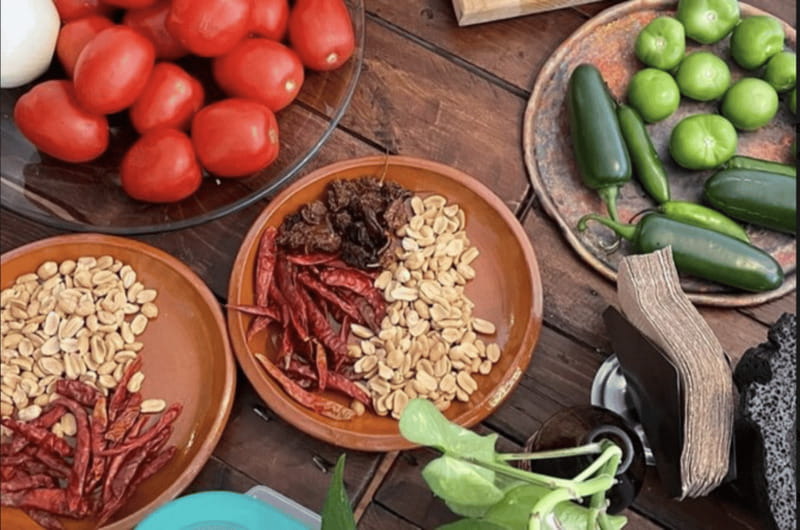
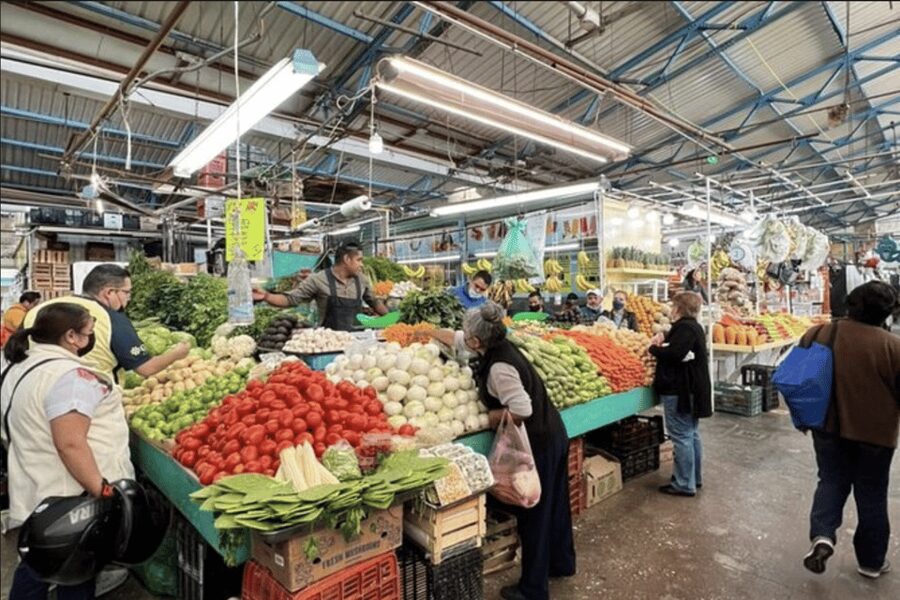
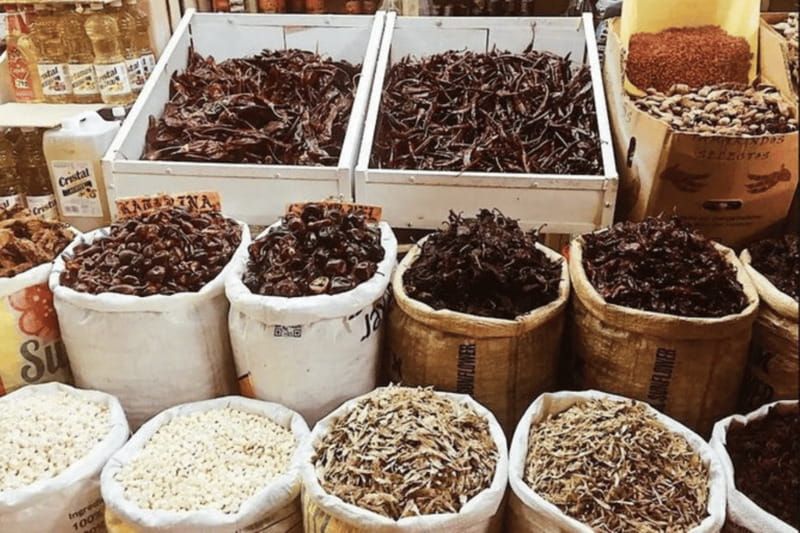
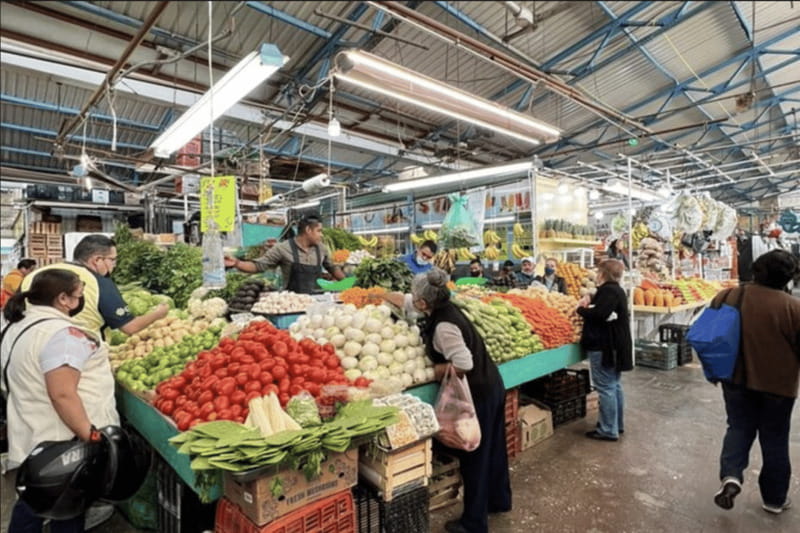
The market stop is not just a quick ingredient pickup. You shop for the fresh produce used during the class, and you learn how to look for suitable ingredients before cooking begins.
That small lesson matters. Salsa is simple food, but good salsa depends on the raw materials. The type of chile, the ripeness of a tomato, and the choice between fresh, boiled, fried, or roasted ingredients can change the result completely.
I like this part because it connects the recipe to the market. You are not handed a premeasured bowl of vegetables with no explanation. You get a look at the ingredients in the place where local food shopping happens, then take them into the kitchen and see how different cooking methods alter their character.
The market visit also supports local commerce, which is built into the activity. Your spending helps the market vendors and keeps the class tied to the neighborhood instead of making it feel like a sealed-off cooking attraction.
The exact ingredients and chile varieties are not specified, so do not book expecting a fixed menu with every pepper named in advance. The class focuses on learning the four styles of salsa and tasting the results, rather than presenting a formal culinary lecture.
Four Ways to Make Mexican Salsa
The heart of the class is preparing four salsas using four traditional techniques:
- Raw
- Fried
- Boiled
- Roasted
This is a clever structure because it shows how cooking changes flavor without making the lesson overly complicated. A raw salsa should give you a fresher, sharper result. A fried salsa can take on a deeper cooked flavor. Boiling softens ingredients and produces a different texture, while roasting brings out smoky notes.
You taste as you work, and the class is designed to show that salsa does not need to be mysterious or difficult. The hosts explain the process, guide the preparation, and let you take part rather than keeping the important steps behind the counter.
Spice levels vary. The information describes different chiles and different levels of heat, but it does not promise a specific mild or fiery menu. If you are sensitive to spice, ask the instructors early about the heat in each batch. If you enjoy chile, this variety should be more interesting than a single generic salsa.
The plant-based format is another practical advantage. All of the salsas are plant based, so the central cooking lesson avoids meat and dairy. The quesadillas are served alongside the salsas, but the information does not specify the fillings, so you should ask if you have dietary restrictions beyond the plant-based salsa preparation.
Cooking Quesadillas, Totopos, and Jamaica
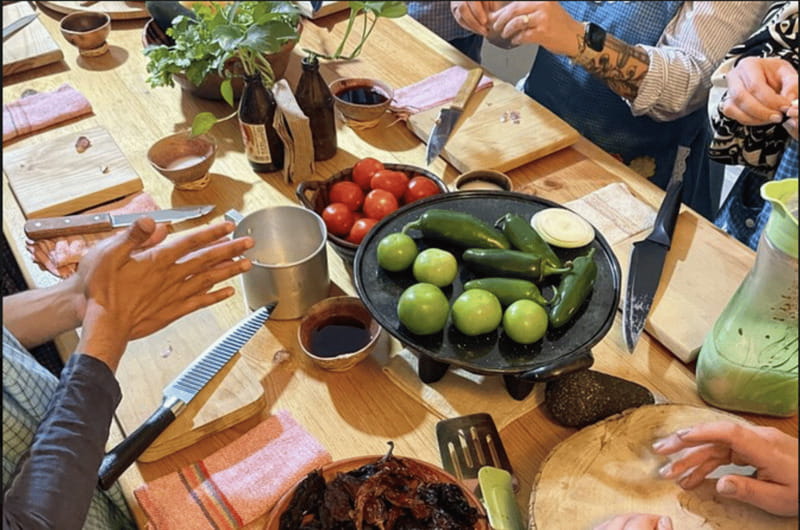
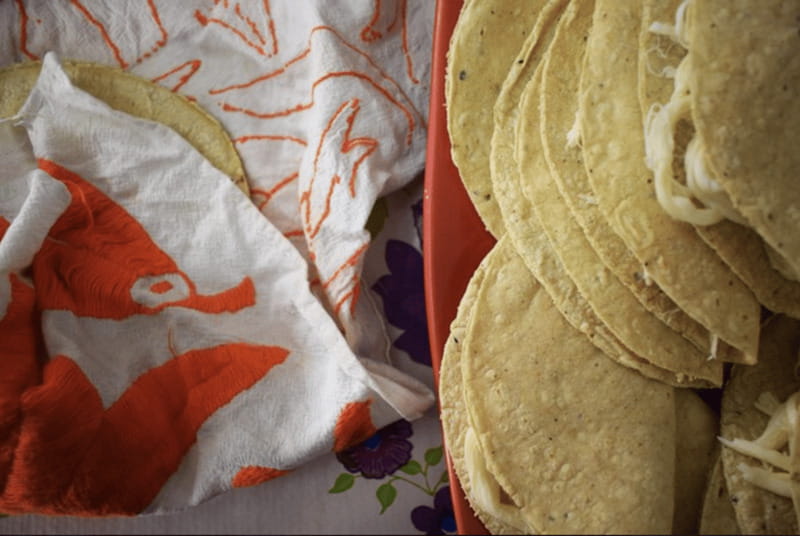
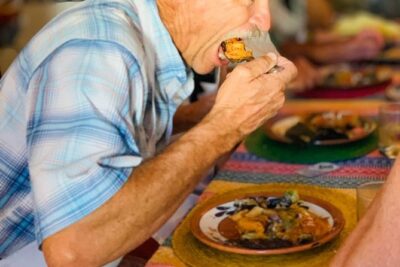
Once the salsas are ready, you cook quesadillas and eat them with the sauces. You can have as many as you want, which makes this more than a tasting session. You should leave with a full belly rather than a few tiny samples arranged on a plate.
Totopos are included as well. They give you an easy way to compare the salsas side by side, while the quesadillas offer a warmer and more filling partner for the sauces.
Agua de jamaica, or hibiscus water, is included without limit. The drink received special praise from Malisha, who found the drink prepared by Oscar and Messli especially good. It is a useful match for spicy food, and the unlimited supply makes the meal feel generous rather than carefully rationed.
Snacks, salsas, totopos, quesadillas, and agua fresca are included. The cooking equipment is also provided, so you do not need to bring kitchen supplies.
Same place, a different thing to cook:
- Puerto Vallarta Cooking Class Experience with Market Tour
★ 5.0 · 698 reviews - Mexican Cooking Class with Food Market Visit in Mexico City
★ 5.0 · 506 reviews - Authentic Mayan Cooking Class in Cozumel
★ 5.0 · 344 reviews - Flavors of Oaxaca: Cooking Class with No Set Menu and Local Market Tour
★ 4.5 · 333 reviews
Meeting Oscar and Messli
The strongest praise in the available feedback centers on Oscar and Messli. Malisha described them as warm hosts who made the class feel personal and welcoming, while also praising the instruction, conversation, and laughter during the cooking.
Alexandra had a similar reaction, describing the class as relaxed and friendly and especially enjoying the market shopping and the chance to learn how to choose ingredients. Kyrra gave a short but clear recommendation, rating the experience five out of five.
That consistency matters more than flowery promises. The class seems to work best because the hosts treat it as a shared meal and conversation, not just a sequence of instructions. You still learn practical cooking skills, but the mood is meant to be informal.
Instruction is available in Spanish and English. The class can also be held in more than one language at the same time, so you should be comfortable with a bilingual setup if your group includes people who speak different languages.
The small group limit is 10 people. That is a sensible size for a cooking lesson. You have a better chance of getting hands-on time, asking questions, and tasting the food as it develops than you would in a large demonstration class.
What the Two and a Half Hours Feel Like
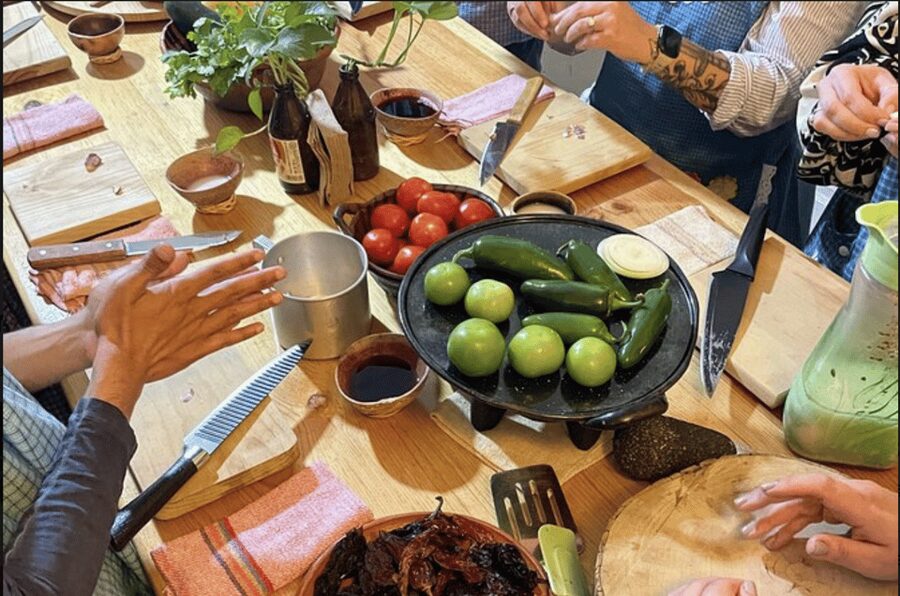
The duration is 2.5 hours, which gives the activity enough time for the market, preparation, cooking, tasting, and meal. It is not an all-day food tour, so it should fit neatly into a Mexico City schedule.
A typical flow looks like this:
- Meet at the church in Tacuba.
- Walk to Tacuba Market.
- Shop for fresh ingredients.
- Return to the cooking space.
- Prepare raw, fried, boiled, and roasted salsas.
- Taste the sauces with totopos and jamaica.
- Cook quesadillas.
- Eat together.
- Take home salsa and recipes.
The exact order may shift, especially if the class is offered in multiple languages at once. The important point is that the shopping and cooking are linked. You see the ingredients first, then use them soon after.
Because the class is hands-on, wear something you can cook in comfortably. That is general practical advice rather than a stated dress rule, but a market walk followed by food preparation calls for sensible clothing and shoes.
Is $93 a Fair Price?
At $93 per person, this is not the cheapest way to eat quesadillas in Mexico City. You can find inexpensive street food and market meals for far less. The value here comes from combining food, instruction, local shopping, drinks, a full meal, recipes, and a take-home jar of salsa.
The small group also matters. With a maximum of 10 people, you are paying for participation rather than simply watching. If you want to learn techniques you can repeat at home, the price is easier to justify.
I would see the class as good value for someone who enjoys cooking and wants a structured local activity. It is less compelling for someone who only wants a quick meal or who already knows Mexican salsa techniques well.
The included food is generous. Unlimited jamaica and quesadillas, along with totopos and snacks, mean you should not need to budget for lunch during the activity. Transportation is not included, so add the cost of reaching Tacuba when comparing this with classes held closer to your accommodation.
The free cancellation policy allows cancellation up to 24 hours in advance for a full refund. You can also reserve now and pay later, which helps if your Mexico City schedule is still changing.
Who Will Enjoy This Class Most?
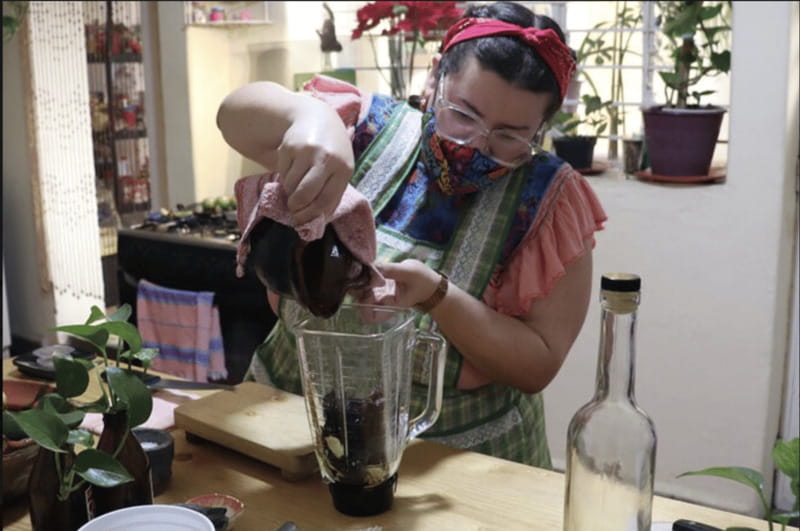
I would recommend this experience to:
- First-time visitors who want a local food activity outside the usual central sights.
- Couples or friends who like cooking together.
- Small groups looking for a team-building outing.
- Plant-based eaters who want salsa instruction without meat-centered recipes.
- Home cooks who want practical recipes and techniques.
- Visitors who enjoy markets and do not mind a less polished neighborhood setting.
Families may also like the hands-on format, but the supplied information does not specify a minimum age or child pricing. Ask before booking if children are part of your group.
This is not the right fit if you want a formal culinary school, a luxury setting, or door-to-door transportation. It also may not suit you if an uncomfortable walk through an urban area would distract from the food experience.
Private Menus Beyond Salsa
The hosts can arrange private group cooking focused on other Mexican foods, including burritos, tamales, pozole, ceviche, and fish tacos.
That option could work well for a company outing, birthday, reunion, or group with a particular food interest. The standard experience centers on salsa and quesadillas, so ask about private menus if you want one of the other dishes instead.
Do not assume those dishes are part of the $93 public class. They are presented as possible private-group options, and the details would need to be arranged separately.
What You Take Home
The practical souvenir is a jar of fresh salsa. That is a better memento than another printed card because you can eat it shortly after the class and remember which method produced it.
You also receive recipes. Alexandra specifically liked that the sauces could be made again at home, which is a good test of a cooking class. A class is more useful when the recipes are clear enough to repeat without a chef standing nearby.
The recipes may not reproduce every market condition exactly. Produce varies, and chile heat can change from one pepper to the next. Still, learning four basic methods gives you a flexible starting point rather than one rigid formula.
Final Verdict: Should You Book It?
Book this salsa workshop if you want a friendly, food-centered Mexico City activity with real market shopping, hands-on cooking, a filling meal, and useful recipes. The praise for Oscar and Messli is strong, and the format gives you more personal contact than a large cooking demonstration.
I would book it for a small group that values conversation and local commerce. I would also book it if you want to understand why Mexican salsa can taste so different from one preparation to the next.
Think twice if you need a pristine tourist zone, easy transportation, or a carefully controlled environment. The Tacuba setting is part of the experience, including its rougher edges. For the right audience, that neighborhood context adds honesty. For others, it may be the reason to choose a different class.
FAQ
Where does the salsa workshop take place?
It begins at an ancient church in the heart of Tacuba, in the State of Mexico area identified for the experience. Tacuba Market is only steps away from the meeting point.
How long does the experience last?
The workshop lasts 2.5 hours.
How much does the workshop cost?
The listed price is $93 per person.
What languages are available?
Instruction is available in Spanish and English. The experience can be held in more than one language at the same time.
How many people are in the group?
The group is limited to 10 participants.
What types of salsa will I make?
You will make four styles using raw, fried, boiled, and roasted methods. The salsas use different chiles, flavors, textures, and spice levels.
Is the salsa plant based?
Yes. All of the salsas are plant based.
Is food included?
Yes. Snacks, salsas, totopos, quesadillas, and agua fresca are included. Unlimited agua de jamaica is also provided.
Will I take anything home?
Yes. You leave with a jar of fresh salsa and recipes.
Is transportation included?
No. Transportation is not included, so you must arrange your own way to and from the Tacuba meeting point.
Just added around Mexico
- Private Pre-Hispanic Cooking Class in Mexico City with Martha★ 5.0 · 19 reviews
- Flavors of Mexico: Cancun Cooking Class & Market Visit★ 4.5 · 5 reviews
- Private Authentic Mexican Cooking Class in Cancun with Alberto★ 5.0 · 3 reviews
- Tasty Mexican Cooking Class with Feast in Riviera Maya★ 5.0 · 99 reviews
- Cancun small group Cooking Class with Local Chef★ 5.0 · 61 reviews
- Cancun Hands-On Mexican Cooking Class★ 4.5 · 95 reviews
- 4h Cooking Class in Cancun with 8 Recipes & Bottomless Drinks★ 5.0 · 50 reviews
- Private Mexican Cooking Class in Your Cabo San Lucas Villa or Condo★ 5.0 · 8 reviews
Mexican Cooking Classes, compared.
Cabo San Lucas Mexican Cooking Class Experience and Local Markets
Read our review →
Mexican Cooking from Scratch in a Local Home in Tulum
Read our review →
Mexican Cooking Class with Food Market Visit in Mexico City
Read our review →
Essence of Mexico: Authentic Mexican Cooking Class & Market Tour
Read our review →
Mexican Cooking Class with fresh Local Market ingredients selection and transpor
Read our review →
Lists this class appears in