REVIEW · SICILY, ITALY
Catania Home Cooking: Pistachio Ravioli, Sicilian Pasta & Wine
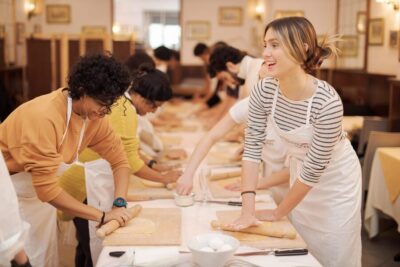
Come hungry, leave with recipes. This three-hour Catania cooking class offers a friendly way to eat Sicilian food, learn fresh pasta techniques, and share a meal inside a local home. I like the small group size of up to six people, and I like the chance to prepare several pasta shapes rather than simply watching a demonstration. The homemade wine pairing and ricotta-based dessert add real value.
The main caution is that this is a home experience, not a polished culinary school. Teaching styles, household conditions, and language support may vary. One especially critical account raised concerns about cleanliness, dogs, and smoking, while other reports described a warm, generous evening with excellent food. If you need a formal kitchen and strict professional standards, consider that before booking.
Key points at a glance
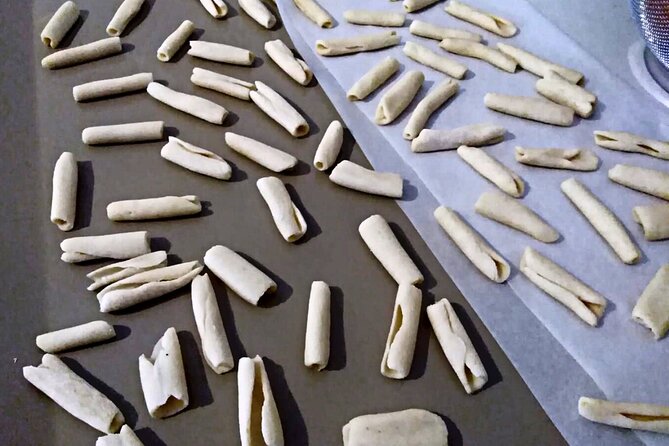
- Three pasta projects in one class: Prepare pistachio-filled ravioli, caserecce, and gnocchetti, then pair them with Sicilian sauces.
- A true home setting: You meet at Via E. A. Pantano, 112, and finish at the same address after dinner.
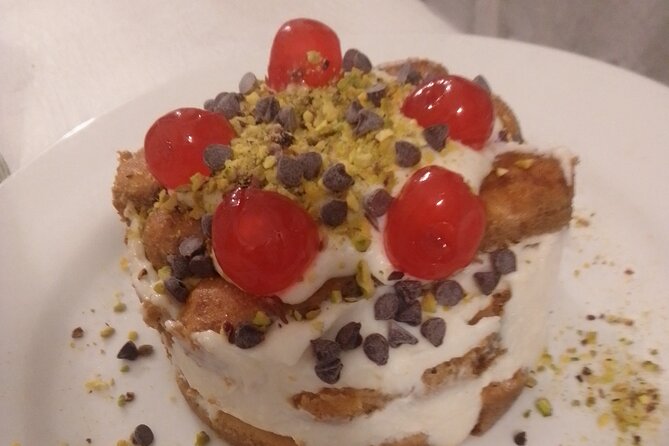
- Dessert changes with the host: You might make biancomangiare, deconstructed cannoli, or cannolamisù with ricotta.
- Wine is part of the meal: Local wines accompany the food you prepare, rather than being an optional extra.
- Small groups matter: The maximum of six makes hands-on instruction more likely than in a large class.
- Flexible participation: You can ask to skip the cooking and simply talk with the host while she prepares the menu.
What the Catania home setting adds
This experience is built around a local apartment rather than a restaurant dining room. That changes the mood. You are not only learning how pasta is shaped, you are also sharing space with the person preparing it and hearing about Sicilian food in a personal setting.
That informality is one of the strongest reasons to book. The most enthusiastic accounts describe hosts named Angela, Anna, Daniela, Francesco, Barbi, Silvia, and Antonio. The names suggest that the host can vary, so you should not assume you will meet one particular cook unless the provider confirms it.
The atmosphere has been praised as warm, generous, and family-like. One evening included conversation over homemade limoncello and walnut liqueur after dinner. Another host gave suggestions for the next day in Naples. Those touches are hard to reproduce in a standard restaurant class.
The trade-off is equally clear. A private home will not necessarily have the orderly layout, commercial equipment, or controlled environment of a cooking school. One account described an apartment as cluttered and objected to dogs being loose in the kitchen. The host disputed parts of that account, saying the dogs were allowed to remain free after the visitors said they liked dogs and that no smoking took place during the class.
My advice is simple: if dogs, smoke, or household pets could affect your comfort, ask about them before booking. That small question can prevent a large disappointment.
More Cooking Classes with Wine Tasting in Italy
- Palermo: Pasta and Tiramisu Small Group Cooking Class with Wine
★ 5.0 · 348 reviews - Sea Villa Cefalù: Hands-on 4-Course Pasta Cooking Class & Wine
★ 5.0 · 63 reviews - Palermo Rooftop Cooking Class with Full Meal, Wine & Storytelling
★ 5.0 · 21 reviews
Starting with Sicilian bruschette
The meal begins with bruschette. You can expect the familiar tomato-topped version, along with less usual combinations such as pear and sun-dried tomato.
That opening course gives you a quick taste of the class’s approach. Sicilian food is not only about famous pasta dishes. It also depends on contrasts: sweet fruit with savory ingredients, fresh produce with preserved flavors, and simple bread used as a base for something more inventive.
Bruschette are also a practical first step. You are likely to begin eating and talking while the main pasta work gets underway. Since the experience lasts about three hours, this starter helps make the evening feel like a full meal rather than a rushed lesson followed by a small sample.
Do not expect a fixed restaurant menu with every detail guaranteed. The dessert and some dishes may change, and the wording of the experience leaves room for different preparations. If a particular ingredient matters to you, contact the provider before arrival.
Making pistachio-filled ravioli
The most distinctive dish is pistachio-filled ravioli. Pistachios are strongly associated with Sicilian cooking, especially in and around Bronte, and using them in ravioli gives the class a clear regional identity.
You will work with fresh pasta rather than dried supermarket pasta. The shape itself is part of the lesson: rolling dough, adding filling, sealing the edges, and trying to keep the ravioli intact during cooking. One report noted that even a person accustomed to rolling pasta learned a new method, which suggests the class can offer useful technique tips to experienced home cooks as well as beginners.
The important question is how much hands-on time you receive. The maximum group size is six, which is encouraging, but the exact amount of individual instruction can depend on the host and the group. If you want to do every stage yourself, say so at the start.
This is also the dish most likely to become a useful souvenir. A photograph is nice, but a repeatable ravioli method is better. Ask about the filling proportions and how the host prevents the pasta from opening in the pot. Those are the details that make the recipe work later at home.
Trying caserecce and gnocchetti
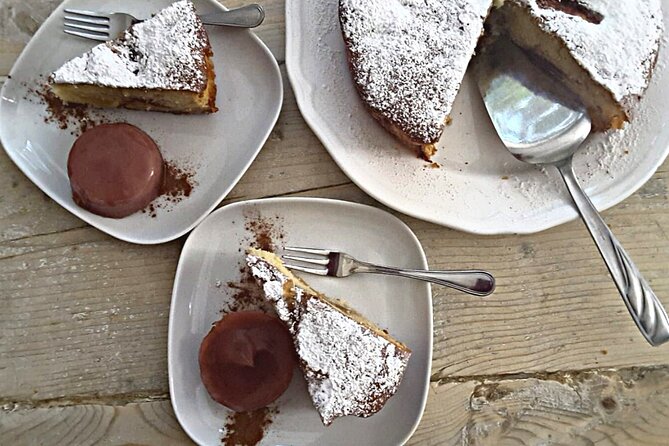
The class does not stop at ravioli. You may also prepare caserecce and gnocchetti, two shapes with very different textures and personalities.
Caserecce are short, twisted pieces that hold sauce in their folds. They are a good match for a thick pesto or a sauce with small pieces of vegetables. Gnocchetti are more compact and soft, giving you a chance to compare a shaped pasta with the firmer bite of handmade dough.
Making several shapes in one evening is useful because it teaches you that pasta is not just about ingredients. Shape affects cooking time, sauce pairing, and the way each bite feels. You may leave with a better sense of why a Sicilian cook chooses one form over another.
The class menu lists Norma dressing, Trapanese pesto, and an Aeolian-style dressing. Norma typically brings eggplant and tomato flavors, while Trapanese pesto is associated with almonds, tomatoes, basil, and garlic. The exact preparation here is not specified, so treat those descriptions as the regional direction rather than a promise of one precise recipe.
That variety is a strength, but it can also make the class feel busy. Three pasta shapes, several sauces, a starter, dessert, and wine are a lot to fit into three hours. The result may be more of a lively cooking evening than a slow, technique-heavy masterclass.
Same place, a different thing to cook:
- Sicilian Cuisine Cooking Class in Palermo
★ 5.0 · 208 reviews - In the province of Palermo Sicilian Cooking Class near Cefalu
★ 5.0 · 203 reviews - Sicilian Cooking Class in Taormina
★ 5.0 · 186 reviews - Sicilian Cooking Class in Taormina
★ 4.5 · 171 reviews
Sicilian sauces with strong regional character
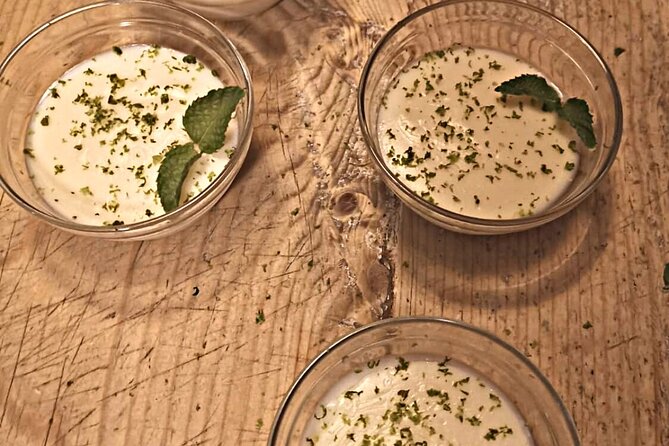
The sauces are important because they turn pasta practice into a lesson in Sicilian flavor. Norma offers a classic combination built around tomato and eggplant. Trapanese pesto takes the familiar pesto idea in a Sicilian direction, with ingredients linked to western Sicily. Aeolian-style sauce points toward the islands north of Sicily and their Mediterranean pantry.
I like this part of the menu because it moves beyond generic Italian cooking. You are not simply making pasta and adding bottled sauce. You are learning how one island can have different food traditions from city to city and coast to coast.
Still, the menu wording includes and more, so the exact sauces may depend on the host and the day. Ask at the beginning which dishes you will prepare. That helps you follow the lesson and decide which recipe deserves the most attention.
Dessert: ricotta in three Sicilian forms
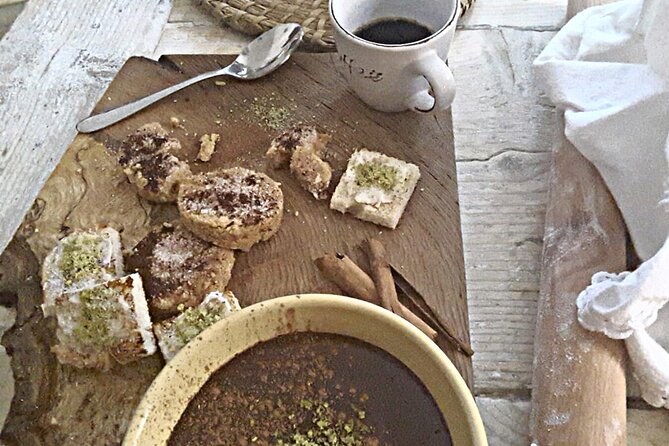
Dessert may be biancomangiare, deconstructed cannoli, or cannolamisù. The last is a playful Sicilian variation on tiramisu, using creamy ricotta in place of the usual mascarpone-centered approach.
Cannoli-inspired desserts make sense in a home class because ricotta is one of Sicily’s signature ingredients. You get the familiar flavors without necessarily having to master the difficult task of frying pastry shells. Biancomangiare offers another side of Sicilian sweets, with a pale, pudding-like texture.
The supplied menu allows for variation, and one unhappy account described a gelatin-style pudding that had already been prepared. That may not represent every class, but it is a useful warning if dessert preparation is your main reason for booking. Ask whether the sweet course will be made during your session or served partly prepared.
For most people, dessert is an enjoyable finish rather than the main attraction. The pasta work is the stronger reason to choose this experience.
Wine, conversation, and the social side
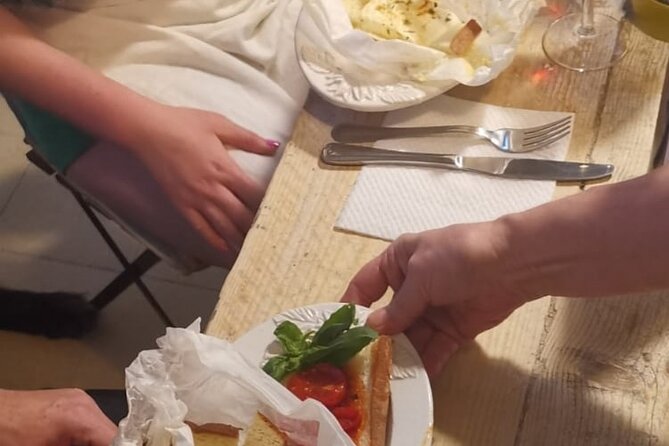
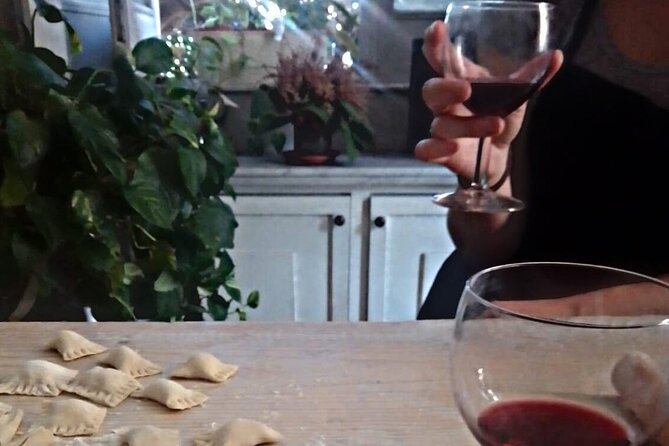
Local wine is served with the dishes you prepare. That matters because food tastes different when you can compare the finished pasta with the wine chosen for it, rather than eating your work in silence.
The social element has received some of the strongest praise. Hosts have been described as welcoming, interesting, and generous. One family evening ended with homemade limoncello and walnut liqueur, while another included singing and laughter. These details show what the experience can be at its best: less like a lesson in a classroom and more like a meal with a Sicilian household.
Language may require patience. One account described a visit where the host’s son could not attend to translate, but Google Translate and a willingness to work together kept the class moving. The experience is offered in English, but the reviews show that the level of spoken English may vary by host.
Bring a relaxed attitude. Demonstration, gestures, translation apps, and shared laughter may all be part of the evening. If you need precise technical explanations in fluent English, confirm the language arrangements before you pay.
Price and value at $106.04
At $106.04 per person, this is not a cheap meal. It becomes more reasonable when you count what is included: roughly three hours, hands-on pasta preparation, a starter, several pasta dishes, dessert, and local wine.
The value is strongest for people who want an experience rather than simply dinner. You are paying for instruction, food, drinks, and access to a local home. A restaurant meal in Catania may cost less, but it will not teach you how to make pistachio ravioli or give you the same chance to talk with a host.
The value drops if you mainly want to watch someone cook. That option is available, since you can ask to sit and chat while the host prepares the menu, but the price makes more sense when you take part.
You also need at least two people to book. That is good for couples and small parties, but not ideal for a solo visitor unless you can join another booking. With a maximum of six people, the group should remain personal, though the actual feel depends on how many spaces are filled.
Who should book this class?
I would choose this experience if you:
- Enjoy cooking with other people rather than watching a formal demonstration.
- Want fresh pasta recipes you can repeat at home.
- Like the idea of eating inside a local home.
- Are curious about Sicilian sauces, ricotta desserts, and pistachio-based dishes.
- Can handle an informal setting and possible language gaps.
- Value conversation and hospitality as much as polished presentation.
I would hesitate if you have serious concerns about pets, smoking, sanitation, or clutter. The conflicting account about household conditions should not be ignored. Ask direct questions about dogs, smoking, food preparation, and which dishes will be made from scratch.
Tell the provider about allergies or intolerances in advance. That is especially important here because the menu may include pistachios, dairy, wheat, nuts, and wine. The host needs time to plan a safe meal.
Booking and cancellation details
You receive confirmation when you book, and the ticket is mobile. The meeting point is Via E. A. Pantano, 112, 95129 Catania, and the experience ends back there.
Free cancellation is available if you cancel at least 24 hours before the local start time. Cancellations or changes made inside that 24-hour window are not refunded or accepted. The provider is Curioseety SRLS.
Should you book it?
Book this class if your ideal Catania evening includes fresh pasta, local wine, a small group, and a host who treats the meal as a social occasion. The strongest parts are the pistachio ravioli, the range of pasta shapes, and the chance to hear food stories in a private home.
Do not book it expecting a spotless professional kitchen or a tightly scripted culinary course. Ask about pets, smoking, language support, and the dessert before confirming. For an easygoing food lover who values connection over polish, this can be one of the more personal ways to spend an evening in Catania.
FAQ
Where does the cooking class take place?
It takes place at Via E. A. Pantano, 112, 95129 Catania CT, Italy.
Where does the experience end?
The activity ends back at the meeting point.
How long does the experience last?
The cooking and dining experience lasts approximately three hours.
How much does the experience cost?
The listed price is $106.04 per person.
What language is the experience offered in?
The experience is offered in English.
How many people can join?
The maximum group size is six people.
Is there a minimum number of people required?
Yes. A minimum of two people per booking is required.
Can I skip the cooking lesson?
Yes. You can ask to enjoy the atmosphere and chat with the host while she prepares the menu.
What food may be included?
The menu may include bruschette, pistachio-filled ravioli, caserecce, gnocchetti, Sicilian sauces, and a dessert such as biancomangiare, deconstructed cannoli, or cannolamisù.
Should I report allergies or intolerances?
Yes. You should provide that information in advance so the host can plan a safe and enjoyable meal.
Is free cancellation available?
Yes. You can cancel for a full refund up to 24 hours before the experience begins. Changes or cancellations made less than 24 hours before the start time are not accepted or refunded.
More Pasta Making Classes in Sicily
- Palermo: Pasta & Gelato Cooking Class in Palermo
★ 5.0 · 131 reviews
More Home Cooking Classes in Italy
- Cesarine: Home Cooking Class & Meal with a Local in Palermo
★ 5.0 · 15 reviews - Dining Experience at a local’s Home in Campofelice di Roccella with Show Cooking
★ 5.0 · 5 reviews - Cesarine: Small Group Market Tour & Cooking Class in Messina
★ 4.5 · 5 reviews - Pastamama, Home Cooking Classes at Grace’s Home
★ 5.0 · 521 reviews
Just added around Sicily
- Palermo: Pasta & Gelato Cooking Class in Palermo★ 5.0 · 131 reviews
- Dining Experience at a local’s Home in Campofelice di Roccella with Show Cooking★ 5.0 · 5 reviews
- Cesarine: Home Cooking Class & Meal with a Local in Palermo★ 5.0 · 15 reviews
- Cesarine: Small Group Market Tour & Cooking Class in Messina★ 4.5 · 5 reviews
- From market to Table Cooking lesson with a local in Sicily★ 5.0 · 114 reviews
- Market Tour with Cooking Class and Lunch with Negropolis View★ 5.0 · 15 reviews
- Sea Villa Cefalù: Hands-on 4-Course Pasta Cooking Class & Wine★ 5.0 · 63 reviews
- Visit of the Ortigia market and cooking class of typical dishes★ 5.0 · 62 reviews
Pasta Making Classes, compared.
3 in 1 Cooking Class near Navona: Fettuccine, Ravioli & Tiramisu
Read our review →
Pasta & Tiramisu Cooking Class with Unlimited Wine
Read our review →
Pasta Making Class with Wine, Limoncello, and Dessert
Read our review →
Rome Cooking Class: Make Pasta and 3 Spritz Cocktails
Read our review →
3-in-1 Fettuccine, Ravioli, and Tiramisu Cooking Class
Read our review →