
REVIEW · SARDINIA, ITALY
Cagliari Cooking Class: Sardinian Ravioli, Wine & Local Flavors
Fresh pasta tells Sardinia’s story. This three-hour class takes you into a real Sardinian kitchen, where Giulia teaches you to make culurgiones, the island’s potato-and-mint ravioli, plus fresh tagliatelle. I like the small maximum of six people, and I like that you eat the pasta you make rather than watching a cooking demonstration and leaving hungry.
The meal also gives you more than pasta: Sardinian cheeses, cured meats, honey, regional wine, dessert, and homemade Mirto. The main thing to consider is the meeting point in Sestu, outside central Cagliari, at Via G.Matteotti 34. You’ll want to check your route before booking, especially if you are staying in the city and do not have a car.
Key points to know before booking
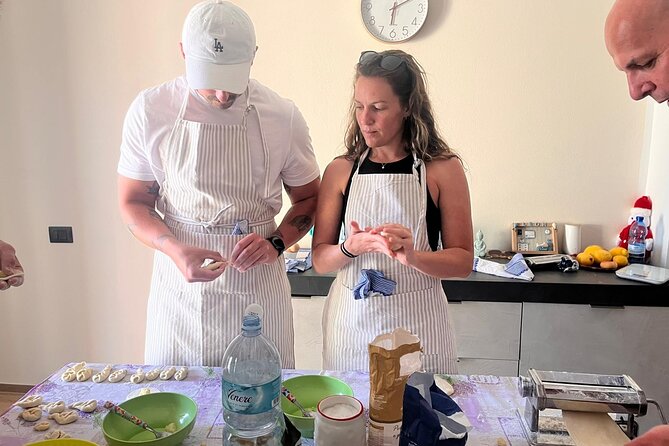
- Two classic pastas: Make both culurgiones and fresh tagliatelle from scratch.
- A tiny cooking group: The class accepts no more than six people, allowing for one-on-one help.
- A full Sardinian meal: Antipasti, two pasta courses, dessert, wine, water, and Mirto are included.
- A patient local teacher: Giulia’s calm, friendly instruction is one of the strongest parts of the experience.
- Recipes for later: Digital recipes let you try the dishes again at home.
- A practical location detail: The class begins and ends in Sestu, at Via G.Matteotti 34.
Making Sardinian pasta in a home kitchen
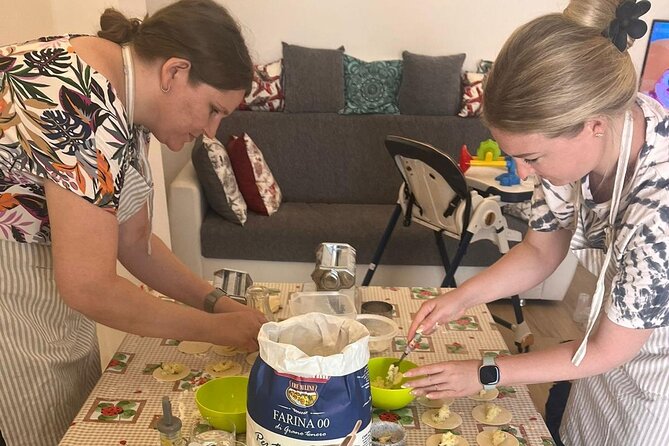
The appeal here is simple: you are not just eating Sardinian food, you are learning how it is made. The setting is a real home kitchen in a quiet street, rather than a large culinary school or restaurant classroom. That gives the experience a personal feel, and the group limit of six keeps it from becoming a crowded production line.
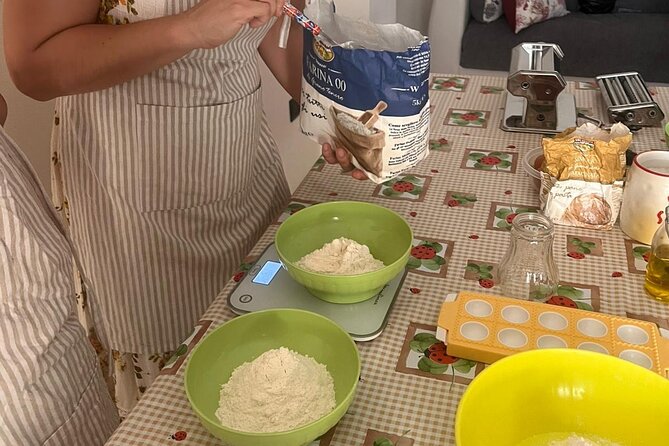
Giulia leads the class step by step. You learn how to make fresh dough, work with local flours, and shape two different pasta styles. No previous experience is needed, so you do not need to arrive with polished pasta-making skills. Curiosity and an appetite are enough.
The small group matters. Pasta dough can be stubborn, and shaping culurgiones takes practice. With only a few people at the table, Giulia can offer individual help instead of giving one explanation and hoping everyone keeps up. That is especially useful for first-time cooks.
The class is offered in English. The relaxed pace and hands-on format make it a good choice if you want to meet people through an activity rather than sit through a formal food lecture.
More Cooking Classes with Wine Tasting in Italy
- Florence: Pasta Cooking Class with Unlimited Wine
★ 4.9 · 10,285 reviews - Florence: Pasta & Tiramisu Cooking Class with Unlimited Wine
★ 4.9 · 6,708 reviews - Rome: Pasta Making Class with Wine, Limoncello, and Dessert
★ 4.9 · 3,177 reviews
Culurgiones, Sardinia’s folded potato ravioli
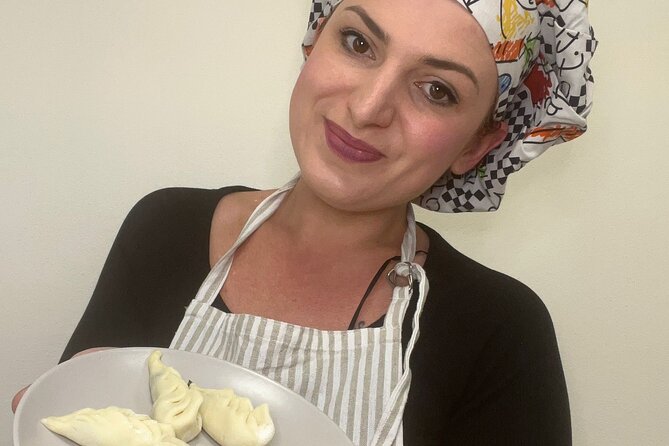
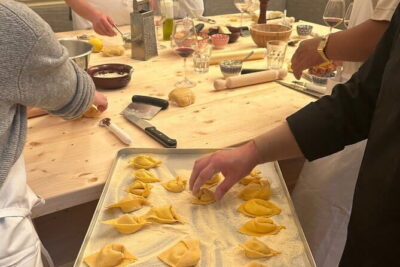
Culurgiones are the star of the class. These Sardinian ravioli are made with fresh pasta dough and a traditional filling of potato and mint. The shape is part of their identity, and learning to form them gives you a better sense of the care behind a dish that can look simple on the plate.
Giulia first demonstrates the process, then you make your own dough and work through the shaping yourself. The reviews of the class repeatedly praise her patience and clear instruction. That is important here, since culurgiones are not just ordinary ravioli with a different filling. The dough must be handled properly, and the finished parcels need to hold together during cooking.
Do not expect every piece to look identical to Giulia’s. That is part of the fun. Your first few may be a little wonky, but they should still taste good. The class is about learning a Sardinian method, not passing a pasta-making exam.
The potato and mint filling also gives the meal a clear local character. It is a useful contrast to the tagliatelle, which is a more familiar fresh pasta. You leave having learned one pasta you may already know and another that is much more closely tied to Sardinia.
Fresh tagliatelle and the pleasure of making dough
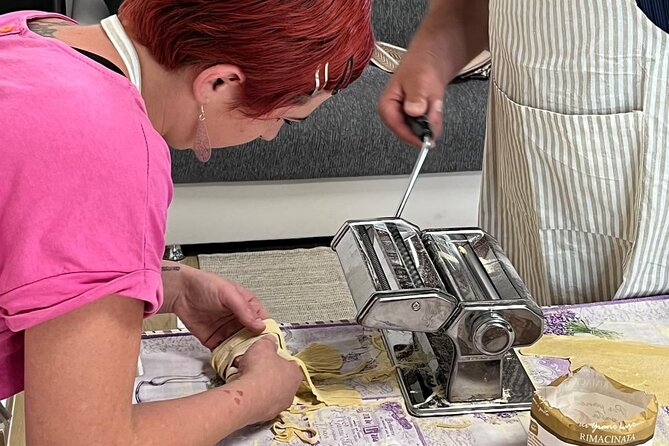
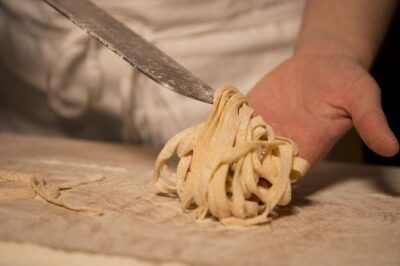
The second pasta is fresh tagliatelle. You work with local flours and simple methods that have been passed down through generations. The class does not depend on complicated equipment or restaurant tricks, which makes the recipes more realistic for your own kitchen.
Tagliatelle is a good choice for a class because you can see the dough change as you work it. It gives you practice with the basic skills that also help with other fresh pastas: mixing, kneading, rolling, and cutting. Giulia’s one-on-one guidance helps you understand what to look for rather than simply copying each movement.
Making two pastas in one session adds real value. You get a wider lesson than you would from a single recipe, and the contrast between the folded culurgiones and cut tagliatelle keeps the three hours varied. The tradeoff is that you will not spend a long time mastering either pasta in isolation. This is a broad introduction, not an advanced workshop.
You also eat both pastas afterward. That turns the lesson into a useful test. You can see how your dough and shaping worked once the food reaches the table.
The Sardinian meal after the cooking
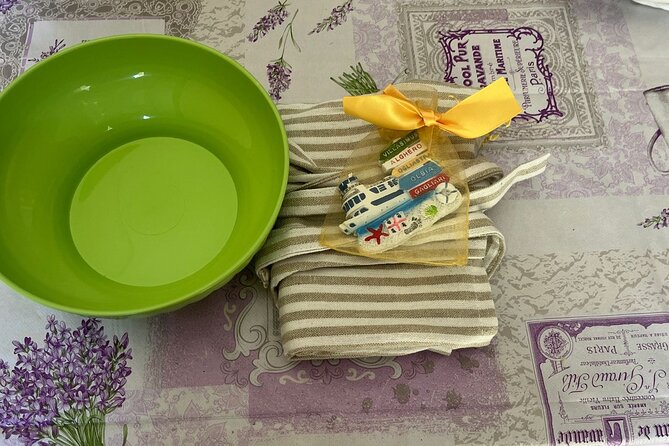
Once the cooking is finished, the group sits down for a home-cooked meal. The food comes in several stages, so this feels more like a long lunch or dinner than a quick tasting.
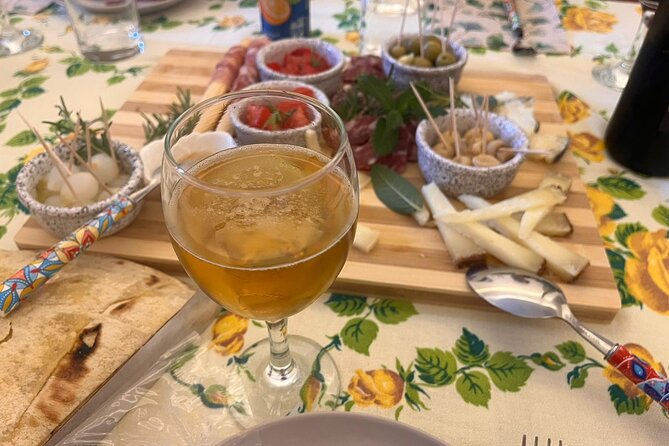
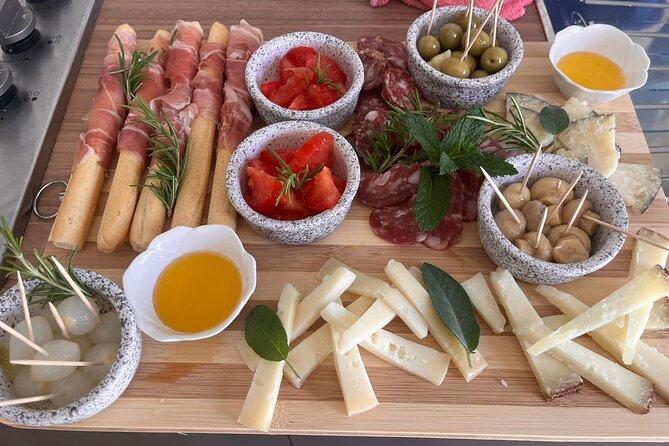
The meal begins with traditional Sardinian antipasti. Expect cheeses, cured meats, and local honey. This opening course gives you a taste of the island beyond pasta and shows how sweet and savory foods work together in Sardinian eating.
Regional wine is served with the meal, along with water. The wine is included in the price, so you do not need to budget separately for drinks during the class. The relaxed meal also leaves time for conversation, which is a big part of the experience’s appeal.
Next come the pasta dishes you prepared. Fresh tagliatelle and culurgiones are served with traditional sauces. Since you have just handled the dough and shaped the pasta, the meal feels connected to the work at the table. You are not simply being served a regional dish. You know how much effort went into making it.
The menu is described as a three-course meal, with the two pasta preparations forming the main portion. Some comments describe the meal as generous enough to leave people completely full. If you are looking for a light cooking lesson, this may be more food than you need. If you want lunch or dinner included, it is a strong advantage.
More Pasta Making Classes in Italy:
- 3 in 1 Cooking Class near Navona: Fettuccine, Ravioli & Tiramisu
★ 5.0 · 7,376 reviews - Pastamania – Florence Pasta Making Class
★ 5.0 · 3,050 reviews - Rome Cooking Class: Make Pasta and 3 Spritz Cocktails
★ 5.0 · 2,937 reviews - Rome: 3-in-1 Fettuccine, Ravioli, and Tiramisu Cooking Class
★ 4.9 · 2,704 reviews
Dessert and homemade Mirto
The meal ends with a traditional Sardinian dessert and a glass of homemade Mirto. Mirto is the island’s famous myrtle liqueur, and it is a fitting finish to a meal focused on local ingredients and customs.
The homemade element gives the final course a personal touch. You are not ending with a generic coffee or packaged sweet. You get a taste of something closely linked to Sardinia and commonly served after a meal.
If you do not drink alcohol, keep in mind that both regional wine and Mirto are part of the included meal. The supplied details do not specify nonalcoholic alternatives, so you should mention any preference or concern when arranging the experience.
Why the small group makes a difference
A maximum of six people is one of the clearest reasons to choose this class over a larger cooking event. You have more room to ask questions, watch the demonstrations, and get help with the pasta shapes.
The small size also supports the home-kitchen setting. A group of six can sit down for a shared meal without the atmosphere feeling like a restaurant class with a queue of people waiting for their turn.
Giulia’s teaching style receives especially strong praise. She is described as patient, skilled, talented, and fun to spend time with. Those qualities matter more than fancy equipment in a hands-on class. If the teacher rushes, pasta making becomes frustrating. Here, the available comments point to a warm and easygoing lesson.
You should still expect to participate. This is not a private chef meal where you sit back and watch. You will make dough, shape pasta, and help create the food you later eat. That is the point, but it may not suit someone who wants a purely restful afternoon.
Price, timing, and what you receive
The price is $94.82 per person for about three hours. That is not the cheapest way to eat pasta in Cagliari, but the comparison is not really with a normal restaurant meal.
The fee covers instruction, hands-on pasta making, ingredients, a full meal, antipasti, regional wine, dessert, Mirto, and digital recipes. You are paying for the class and the food together. The small group also makes the price easier to justify, since you receive personal help rather than a seat in a large demonstration.
The recipes add value after your trip. A cooking class can fade into a pleasant memory, but digital instructions give you a chance to repeat the culurgiones and tagliatelle at home. You can also use the techniques with ingredients available outside Sardinia, even if the exact local flour or products are hard to find.
The class lasts approximately three hours, which is long enough for instruction and a full meal without taking up an entire day. Plan your schedule around the fixed start time and allow enough time to reach Sestu.
Reaching Via G.Matteotti 34 in Sestu
The starting point is Via G.Matteotti 34, 09028 Sestu, Italy. The activity ends back at the same meeting point.
This detail deserves attention because the experience is promoted as a Cagliari cooking class, while the stated address is in Sestu. Sestu is near Cagliari, but the address is not central Cagliari. Check the location against your accommodation before booking.
The area is described as a quiet street with easy parking, which helps if you are driving. The experience is also near public transportation, so a car is not the only possible way to reach it. The supplied information does not give a specific bus route or travel time, so you should confirm the best connection for your date.
Because the class starts and finishes in the same place, you do not need to arrange a second pickup point afterward. That is convenient if you are carrying food, recipes, or simply want a clear end to the afternoon.
Who will enjoy this class most
I would choose this experience if you want food to be the main way you connect with Sardinia. You get local ingredients, traditional recipes, a home setting, and time at the table with the person teaching you.
It suits:
- First-time pasta makers who want patient guidance
- Couples or small groups looking for a shared activity
- People interested in Sardinian dishes beyond the usual pizza and pasta
- Diners who value a full meal after a class
- Anyone who wants recipes to use at home
- Drivers who appreciate easy parking near a quiet residential setting
Families and mixed-age groups may also find the hands-on format appealing, but the supplied information does not specify a minimum age. If you are booking for children, confirm suitability in advance.
You should think twice if you dislike group cooking, have very limited time, or want a class in central Cagliari itself. The address and three-hour schedule are manageable, but they require planning.
Food allergies should be reported before the class. The meal includes dairy, cured meats, honey, pasta, wine, and liqueur, so sharing dietary information early is important. Service animals are allowed.
How the class compares with a normal Sardinian meal
A restaurant meal lets you focus entirely on taste. This class asks you to notice the work behind the food. You will see how dough behaves, learn the difference between two pasta shapes, and understand why handmade pasta feels different from a packaged version.
The tradeoff is that the meal is not entirely passive. You earn it by cooking first. For me, that is exactly what gives the experience its value. The food has more meaning when you have shaped the pasta yourself, even if your culurgiones are less tidy than Giulia’s.
The menu also gives you a wider view of Sardinian eating. Antipasti, cheese, cured meat, honey, wine, pasta, dessert, and Mirto create a complete meal rather than a single recipe lesson. It is a compact introduction to the island’s table customs.
Cancellation and booking details
Confirmation is provided at booking. Free cancellation is available if you cancel at least 24 hours before the experience’s local start time. Cancellations made less than 24 hours before the start are not refunded, and changes within that period are not accepted.
The class is offered in English and is limited to six people. Since it is booked an average of 21 days ahead, reserve early if your dates are fixed, especially during busy travel periods.
Should you book this Sardinian cooking class?
Book it if you want a personal, food-centered experience with real participation. The strongest reasons are the two pasta recipes, Giulia’s patient teaching, the very small group, and the complete meal with wine, dessert, and homemade Mirto.
The main caution is location. You are meeting in Sestu rather than at a central Cagliari landmark, so confirm transportation before paying. Also tell the host about allergies in advance.
At $94.82, this is good value for a three-hour lesson followed by a full Sardinian meal and recipes to take home. It is best for people who want to cook, eat generously, and spend part of the day in a friendly home kitchen. If that sounds like your kind of Sardinia, this class is an easy choice.
FAQ
Where does the cooking class begin?
It begins at Via G.Matteotti 34, 09028 Sestu CA, Italy.
Where does the experience end?
The activity ends back at the meeting point in Sestu.
How long does the class last?
The cooking class and meal take approximately three hours.
What pasta will I learn to make?
You will learn to make traditional Sardinian culurgiones and fresh tagliatelle.
Is the class offered in English?
Yes, the experience is offered in English.
What food and drinks are included?
The meal includes Sardinian antipasti with cheeses, cured meats, and honey, the fresh pasta and culurgiones you prepare, a traditional dessert, regional wine, water, and homemade Mirto liqueur.
How many people can join the class?
The activity has a maximum of six travelers.
Can I cancel for a full refund?
Yes. You can cancel for a full refund up to 24 hours before the experience’s local start time. Cancellations made less than 24 hours before the start are not refunded.
Just added around Italy
- Cooking Class in a Sicilian countryhouse★ 5.0 · 5 reviews
- Cesarine: Home Cooking Class & Meal with a Local in Catania★ 4.5 · 10 reviews
- Cesarine: Market Tour & Home Cooking Class in Catania★ 4.0 · 6 reviews
- Cooking Class in Taormina with Lunch Included★ 5.0 · 2 reviews
- Cooking Class and Wine Pairing in Capri★ 5.0 · 57 reviews
- Cooking class in Capri for small groups★ 4.0 · 4 reviews
- Private Cooking Class Experience in Reggio Calabria★ 5.0 · 5 reviews
- Lezione di Cucina : Pasta Fresca★ 5.0 · 12 reviews
Pasta Making Classes, compared.
3 in 1 Cooking Class near Navona: Fettuccine, Ravioli & Tiramisu
Read our review →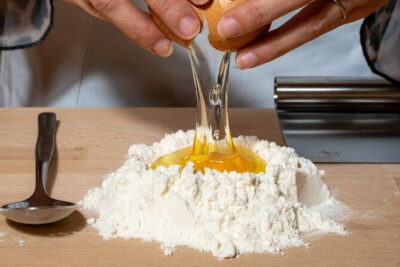
Pasta & Tiramisu Cooking Class with Unlimited Wine
Read our review →
Pasta Making Class with Wine, Limoncello, and Dessert
Read our review →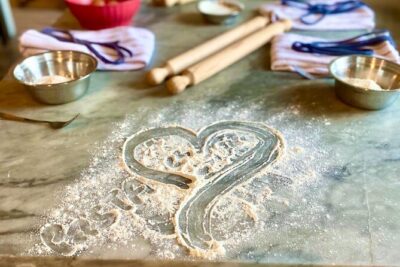
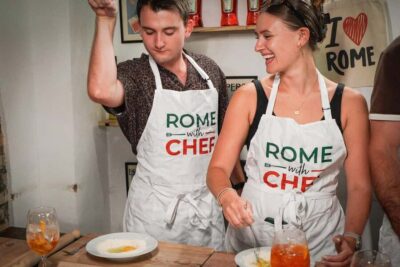
Rome Cooking Class: Make Pasta and 3 Spritz Cocktails
Read our review →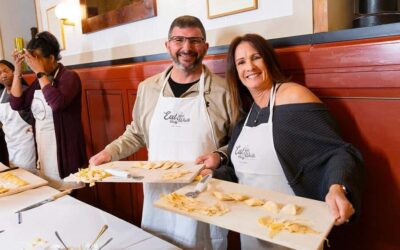
3-in-1 Fettuccine, Ravioli, and Tiramisu Cooking Class
Read our review →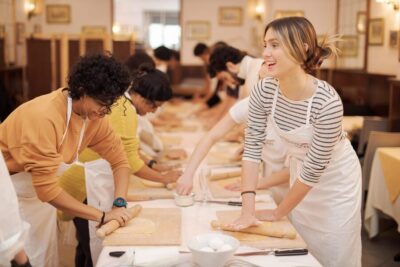
Fettuccine Pasta Cooking Class in Rome’s City Center
Read our review →Lists this class appears in