
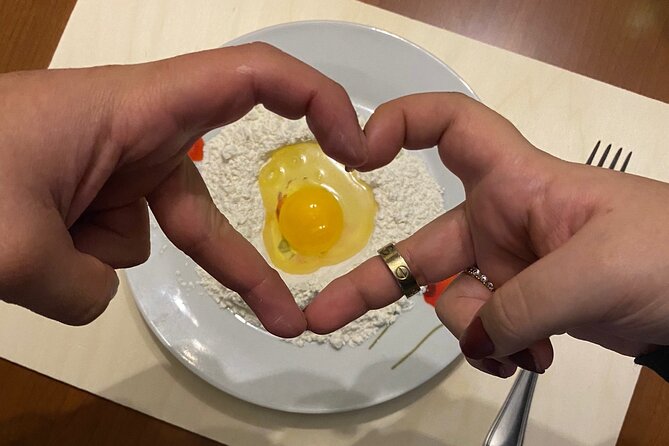
REVIEW · ROME, ITALY
Cooking Class in Rome: Make Fettucine & Tiramisù with Chef Paolo
Pasta making turns flour into a Roman memory. This two-hour class in central Rome gives you hands-on practice with fresh pasta and tiramisù, then lets you sit down to eat what the group prepared. I like the clear focus on basic Italian technique, and I like that English instruction removes much of the guesswork. The main drawback is that the class is social and fairly large, with up to 20 people, so you will not prepare every part of the meal by yourself.
You will work with eggs and flour, shape fettuccine by hand, and help prepare tiramisù as a group. I also like the relaxed finish with pasta, a drink, and limoncello. Just arrive early: the restaurant at Via della Croce 34 can be difficult to spot, and there may not be a clear cooking-class sign outside.
At a glance
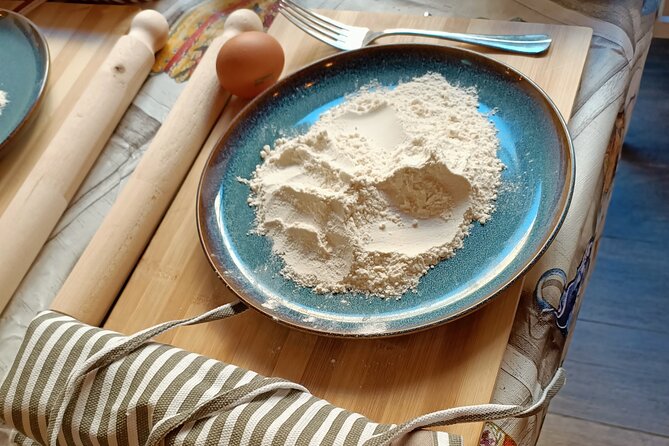
- Two-hour pasta lesson: Learn the basic hand method for turning eggs and flour into fresh fettuccine.
- Three sauce choices: Your pasta is served with amatriciana, cacio e pepe, or tomato with basil.
- Tiramisù for the whole table: Everyone prepares the dessert together rather than making an individual portion.
- A meal follows the lesson: Eat the pasta and tiramisù with bottled water, a soft drink, or a glass of red or white wine.
- Friendly family option: Children from age seven can participate, and younger children must stay with a parent.
- Strong overall satisfaction: The experience is rated 4.8 out of 5, with 96 percent of customers recommending it.
Finding the class on Via della Croce
The class begins and ends at Via della Croce 34, 00187 Rome, in the central part of the city. This is a useful location for a cooking activity because you can fit it around sightseeing, shopping, or an evening walk in the center.
The practical catch is the entrance. Several people have had trouble identifying the restaurant, and one person walked past it multiple times. I would allow extra time and keep the full street address handy. If you are arriving alone, especially after a long day of sightseeing, do not cut it close.
The class is offered in English, which matters when you are learning dough technique. Pasta making depends on small physical details, such as how firmly you knead, how thinly you roll, and how you judge the texture. Clear instructions make this far more useful than simply watching a chef work.
The class can include up to 20 people. That size helps create a sociable mood, but it also means the attention you receive can vary. The instructors and assistants are reported to move around the group and help people individually, though a large class cannot provide the same close coaching as a private lesson.
More Tiramisu and Dessert Classes in Rome
- 3 in 1 Cooking Class near Navona: Fettuccine, Ravioli & Tiramisu
★ 5.0 · 7,376 reviews - Rome: Pasta Making Class with Wine, Limoncello, and Dessert
★ 4.9 · 3,177 reviews - Rome: 3-in-1 Fettuccine, Ravioli, and Tiramisu Cooking Class
★ 4.9 · 2,704 reviews
Turning eggs and flour into fettuccine

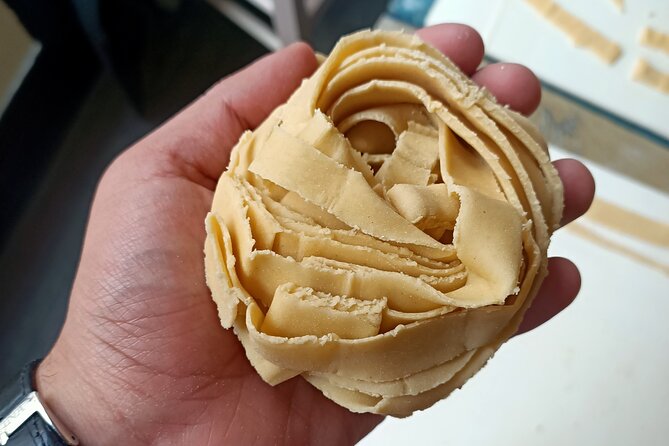
The central lesson is wonderfully simple: eggs and flour become pasta through hand work. You will learn the oldest basic method described for the class, rather than relying on a machine to do everything for you.
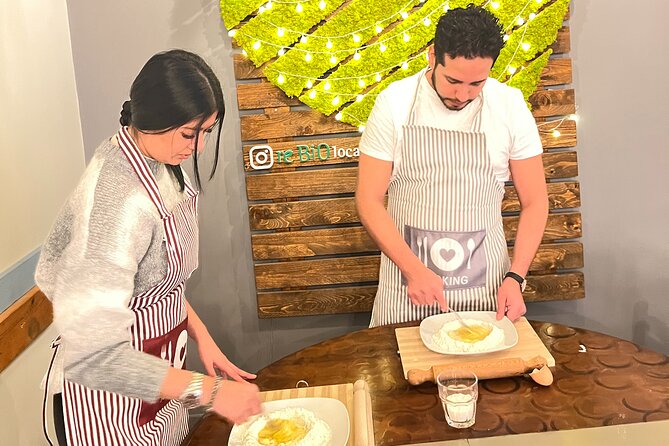
Expect to mix and knead the dough, then shape it into fettuccine. This is not a cooking demonstration where you sit back and take notes. You are expected to work, and making fresh pasta takes some effort. One useful lesson is the physical side of the process. The dough becomes smooth and workable only after you put in the time.
That makes this class valuable for home cooks. You do not need a cupboard full of special tools to repeat the basic recipe. You receive the necessary equipment during the class, and several participants have said they received the recipes afterward. It is the kind of lesson you can bring home without buying expensive gear.
The teaching level is aimed at beginners. Instructions are simple enough for families and first-time pasta makers, and the class is designed to help you feel comfortable rather than test advanced technique. If you already make pasta often, the lesson may feel basic. One person found the food reasonable but not exceptional and felt the class was better suited to beginners than experienced cooks.
The human side of the lesson depends on the instructor. Chef Paolo has received warm praise for creating a fun experience, and other instructors named in feedback include Lucas, Irene, Ricardo, and Roberto. Their styles differ, but the most positive descriptions point to friendly guidance, humor, and personal attention.
There is one important point to understand before booking. You make the pasta dough, but the pasta is cooked together for the group. It is then divided among the selected sauces. You are not served only the exact noodles shaped by your own hands, and you do not prepare a separate sauce from start to finish.
Choosing between amatriciana, cacio e pepe, and tomato
The menu gives you a choice of three classic sauces:
- Amatriciana
- Cacio e pepe
- Tomato with basil
This is a good trio for a first introduction to Roman pasta. Amatriciana brings tomato and a savory pork flavor, cacio e pepe shows how cheese and pepper can form a sauce, and tomato with basil keeps things familiar and light.
The class description says you choose a sauce for your pasta, but it also says sauces are not included. That wording is confusing. In practice, the supplied details make clear that your meal includes pasta served with one of the listed sauce choices, while the sauce preparation itself is handled for the group. If learning sauce technique is a main reason for booking, confirm the current arrangement before paying.
This distinction helps set expectations. You are booking a pasta-making class with a meal, not a full Roman sauce workshop. The class teaches you the dough and pasta shape. The staff prepares the sauce, cooks the pasta together, and serves it after the hands-on part.
Food quality appears to depend partly on the selected sauce and your expectations. Many people have found the finished pasta tasty, but one person found a cream-style sauce bland. Since Alfredo is not among the three listed choices, I would stick to the advertised Roman options and treat the meal as the reward for your work rather than a fine-dining experience.
Preparing tiramisù as a group
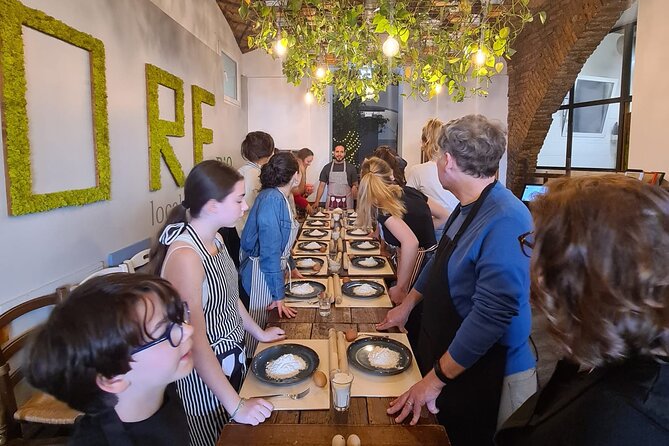
Tiramisù is the second part of the lesson. You help prepare the dessert together, rather than making a separate tiramisù from start to finish at your own station.
That group approach is especially useful for families. Children can whisk and mix, and the dessert gives everyone a task after the more physical pasta work. The recipe is simple enough for beginners, and several people have been surprised by how easy it is to make a good tiramisù.
Still, you should know what you are paying for. If you want detailed pastry instruction or a close look at every stage, this will probably feel limited. The tiramisù is prepared collectively, just as the pasta is cooked collectively. You take part, but you do not receive an individual dessert project.
The payoff comes at the table. You eat the tiramisù after the pasta, and the group gets to enjoy a shared result. For many people, that social finish is a major part of the fun. A family who had a travel problem during the class was still able to make tiramisù for the absent members, which shows a welcome degree of flexibility from the staff.
Same place, a different thing to cook:
- Rome Cooking Class: Make Pasta and 3 Spritz Cocktails
★ 5.0 · 2,937 reviews - Rome: Fettuccine Pasta Cooking Class in Rome’s City Center
★ 4.8 · 2,414 reviews - Fettuccine & Tiramisù: Cooking Class with Wine & Limoncello
★ 4.9 · 2,103 reviews - Pasta Cooking Class Near the Colosseum with 3 Spritz Cocktails
★ 5.0 · 1,686 reviews
Sitting down to eat what you made
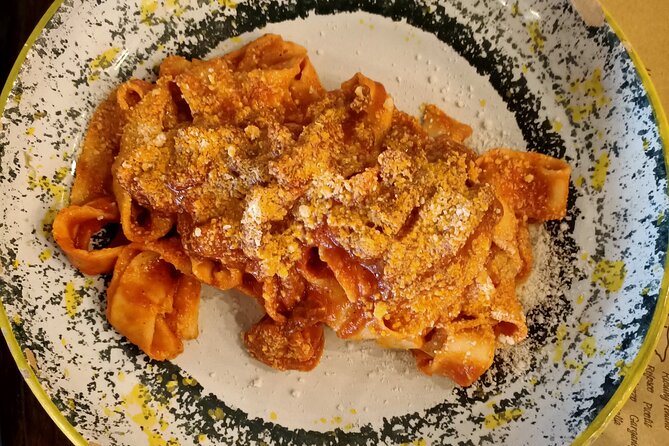
After the cooking, the group sits down for the meal. You receive your pasta with the selected sauce, followed by the tiramisù. Bottled water is included, and you can choose a glass of red or white wine. A soft drink is offered instead if you do not want alcohol.
The ending may also include coffee or limoncello, though the supplied details describe these options in slightly different ways. One section says you choose coffee or limoncello, while another describes limoncello or espresso at the end. The clearest expectation is that a finishing drink is available, with limoncello frequently highlighted.
This shared meal gives the class a social purpose. You sit with people you met only recently, compare your pasta efforts, and have time to talk while the food is cooked. Several family groups found this part especially enjoyable because it turned a short lesson into a complete evening activity.
The included wine and finishing drink add value to the $116.14 price, though the cost is still high for a two-hour beginner class. I would judge the price based on the full package: instruction, equipment, food, drinks, a central location, and the chance to meet other people. If your goal is simply to eat inexpensive pasta, it is not a good deal. If you want a planned activity with dinner built in, the price is easier to justify.
You also receive an award certificate. It is a small souvenir rather than a formal cooking qualification, but children and first-time cooks may enjoy taking it home.
A good choice for families and solo visitors
This experience suits families particularly well. Children aged seven and older can participate, and younger children must follow the class with a parent. Families with children aged 10, 12, 13, and 15 have found the pace and skill level manageable, with the cooking providing a welcome break from museums and monuments.
The class also works for couples and solo visitors who want a social evening. The group format makes it easier to meet people, and the meal gives you time to talk beyond the cooking instructions. If you are traveling alone, though, pay special attention to the meeting point. One solo visitor got lost, could not find the restaurant, and left before receiving useful help. That is a preventable disappointment if you check the address in advance.
The class is less suitable for serious home cooks looking for advanced instruction. You will learn a useful beginner recipe, but you will not get a long lesson on regional pasta shapes, sauce theory, ingredient sourcing, or professional kitchen methods.
The tone can also vary by instructor. Most feedback describes the teachers as warm, funny, and patient. One person felt the instructor used too much sarcasm and made nervous cooks uncomfortable. If you need a very quiet, gentle teaching style, a private class may suit you better.
Is two hours enough?
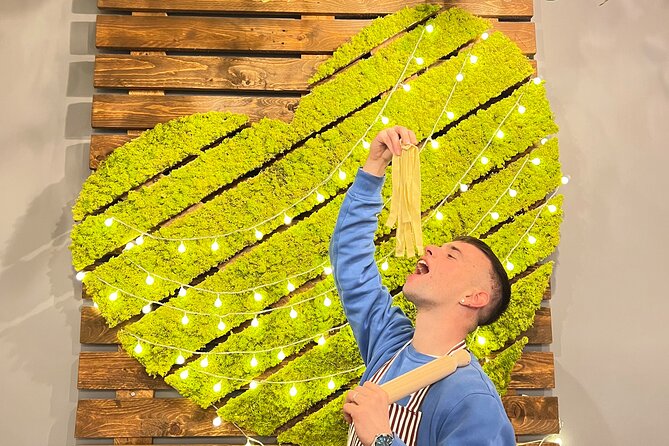
Two hours is enough to cover the basics and eat a meal, but not enough for a slow, detailed culinary workshop. The class moves from dough preparation to pasta shaping, group tiramisù, cooking, and dinner in a compact window.
That short format is useful during a busy Rome visit. You do not lose half a day, and the activity fits neatly into an afternoon or evening. The trade-off is that some steps must happen collectively. The chef cannot give every person unlimited time with the dough, and the sauces are not taught in the same hands-on way.
The best approach is to arrive ready to participate. Keep your attention on the instructor, ask for help when the dough feels wrong, and do not worry about making perfect pasta on the first try. The point is to leave with a method you can repeat, not to produce restaurant-perfect noodles immediately.
Practical details before you book
The experience costs $116.14 per person and is usually booked about 24 days ahead. That advance pattern suggests you should reserve early if your Rome dates are fixed, especially if you want a particular day.
Confirmation is provided when you book. The activity is near public transportation, and service animals are allowed. The class ends at the same place where it begins.
Free cancellation is available if you cancel at least 24 hours before the start time. Changes or cancellations inside that window are not accepted for a refund. If the minimum number needed to run the class is not reached, you can be offered another date or experience, or receive a full refund.
Check the current menu and drink details before booking if you have dietary needs. The supplied information lists the three pasta sauces, but it does not provide a full allergy or dietary menu.
Should you book this Rome cooking class?
Book it if you want a friendly beginner class, a hands-on pasta lesson, and dinner in one compact activity. It is particularly good for families, couples, and solo visitors who enjoy meeting people and do not need a private instructor.
Skip it if you are an advanced cook, expect to prepare the sauces yourself, or want every portion of pasta and tiramisù made individually. Also think twice if finding an unclear restaurant entrance would cause stress.
For most first-time pasta makers, the value is in the whole evening: learning a practical recipe, laughing over the dough, sharing a table, and finishing with tiramisù and limoncello. Arrive early, keep your expectations realistic, and you should come away with both a full stomach and a skill worth using at home.
FAQ
Where does the cooking class begin?
The class begins at V. della Croce 34, 00187 Roma RM, Italy. It also ends back at the meeting point.
How long does the experience last?
The class lasts approximately two hours.
What pasta sauces can I choose?
You can choose amatriciana, cacio e pepe, or tomato with basil. The pasta is cooked together and divided by sauce.
Do I make my own tiramisù?
The tiramisù is prepared by the group together rather than as separate individual portions.
Is the class suitable for children?
Children aged seven and older can take part. Children below the minimum age must follow the class together with one parent.
What happens if I need to cancel?
You can receive a full refund if you cancel at least 24 hours before the experience start time. Cancellations or changes made less than 24 hours before the start are not refunded.
Just added around Rome
- Testaccio: Home Cooking Cacio e Pepe, Amatriciana, Carbonara★ 4.9 · 57 reviews
- Super Fun Pasta and Gelato Cooking Class by the Vatican★ 5.0 · 6 reviews
- Spritz and Spaghetti Traditional Cooking Class in Rome★ 4.9 · 30 reviews
- ROME:Hands-On Lasagna & Marsala Tiramisu Cooking Experience”★ 5.0 · 3 reviews
- Rome: Trastevere Pasta Making Class★ 4.9 · 33 reviews
- Rome: Traditional Pasta and Tiramisu Cooking Class★ 5.0 · 4 reviews
- Rome: Vatican Food Tours, Cooking classes & Free Tours★ 4.9 · 11 reviews
- Rome: Small Group Pasta cooking class near Piazza Navona★ 4.9 · 8 reviews
Tiramisu & Dessert Classes, compared.
3 in 1 Cooking Class near Navona: Fettuccine, Ravioli & Tiramisu
Read our review →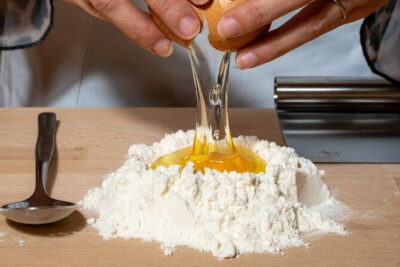
Pasta & Tiramisu Cooking Class with Unlimited Wine
Read our review →
Pasta Making Class with Wine, Limoncello, and Dessert
Read our review →
3-in-1 Fettuccine, Ravioli, and Tiramisu Cooking Class
Read our review →
Cooking Class Pasta & Tiramisu Making Unlimited Wine
Read our review →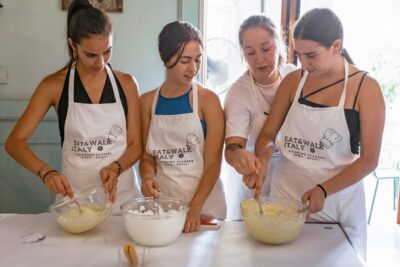
Fettuccine & Tiramisù: Cooking Class with Wine & Limoncello
Read our review →
Florence Cooking Class The Art of Making Gelato & Authentic Pizza
Read our review →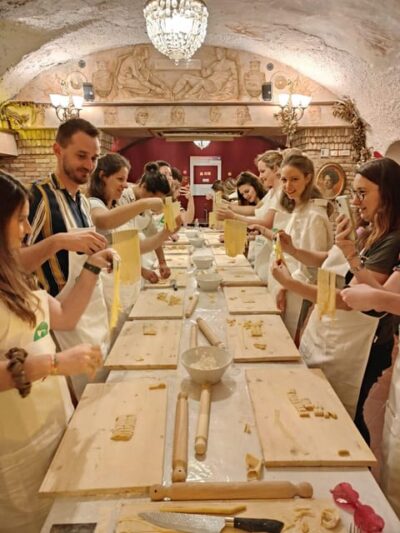
Pasta & Tiramisu Cooking Class near the Spanish Steps
Read our review →Lists this class appears in