
REVIEW · POSITANO, ITALY
Ravioli & Tagliatelle Cooking Class at a Local’s Home in Positano
Come hungry and leave with recipes. This three-hour class takes you from Positano to a family home in Montepertuso, where Emily, Genny, and their family teach traditional pasta making, serve food from the garden, and share stories tied to their grandmother’s kitchen. I especially like the hands-on pasta work and the generous family welcome. The main thing to consider is the uphill location, which requires planning transportation from central Positano.
I also like that the meal is not limited to a quick demonstration. You help prepare ravioli, tagliatelle, and tiramisu, then sit down to eat with wine, prosecco, limoncello, and local dishes. At $181.41 per person, it is not a cheap meal, but the price covers a full class, a substantial lunch or dinner, personal instruction, drinks, and a warm family setting.
The key points at a glance

- Three classic recipes: Make fresh ravioli, hand-cut tagliatelle, and tiramisu during a class lasting about three hours.
- A real family setting: Emily, Genny, their mother, and other family members help create the relaxed, social mood.
- Montepertuso views: The class takes place in a family villa above Positano, with memorable views from the kitchen and balcony.
- Garden-to-table ingredients: Tomatoes, vegetables, herbs, and other produce come from the property’s garden when available.
- A full meal with drinks: Expect an aperitif, local cheese, salami, olives, Caprese salad, pasta, dessert, wine, prosecco, and homemade limoncello.
- Transport needs attention: Meet at Piazza Cappella, and plan ahead for the trip up from Positano’s main beach area.
Why this feels different from a restaurant class
I like restaurant-based cooking classes when I want a tidy lesson and a professional kitchen. This experience offers something else. You enter a family home, cook alongside several generations, hear stories about recipes passed down through the family, and eat in the same setting where the food was prepared.
The family connection is central. Emily guides the class in English and explains how her grandmother made pasta, tiramisu, sauces, and other dishes. Her mother and Genny add to the family atmosphere, and the group may find itself singing, dancing, laughing, and sharing stories between steps.
That informality is part of the appeal. You are not simply watching a chef prepare food while standing at a distance. You stretch dough together, work out how to manage a long sheet of pasta, fill ravioli, and see how simple ingredients become a meal.
The tradeoff is that this is not a highly formal culinary course. If you want exact knife skills, professional kitchen techniques, or a certificate, this probably is not the right choice. If you want food, conversation, and a strong sense of place, it makes much more sense.
More Home Cooking Classes in Italy
- Pastamama, Home Cooking Classes at Grace’s Home
★ 5.0 · 521 reviews - Traditional Home Cooking Experience in Venice
★ 5.0 · 377 reviews - Catania: Pistachio Ravioli, Pasta Home Cooking Class w/ Wine
★ 4.7 · 204 reviews
Arriving in Montepertuso from Positano
The meeting point is Piazza Cappella in Positano, but the class takes place in Montepertuso. The home is above the main beach area, so do not treat this as a casual walk from the waterfront unless you already know the route and feel comfortable with Positano’s steep roads.
Transportation is worth sorting out before class day. The family has helped arrange shared taxis for groups, which can lower the cost compared with hiring a car alone. One particularly useful detail is that the hosts have helped coordinate rides near hotels and escorted groups to their cars afterward.
The stated maximum is 14 people. Several descriptions of the experience place the class at around 12 participants, which is a comfortable size for a social meal without making the gathering feel like a large tour group. Still, group size can affect how much individual attention you receive, so I would ask about the expected number when booking if that matters to you.
The experience ends back at the meeting point. Since the class lasts about three hours and includes a full meal, allow extra time around it rather than scheduling a tight ferry, dinner reservation, or evening transfer.
The welcome aperitif sets the tone
The class begins with a welcome spread rather than a rushed introduction. You may be served salami, tarallucci, local cheese, olives, and prosecco before the pasta work begins.
This is a smart start. It gives everyone time to meet, settle in, and get comfortable with the family. The atmosphere is social from the beginning, and the drinks continue as the class moves along.
The food is also substantial. This is not a light snack before dinner. Along with the opening bites, the planned menu includes Caprese salad with local mozzarella and fresh tomatoes, rocket, and grilled vegetables picked from the garden.
I would pace yourself. With pasta, dessert, wine, and additional food served by the family, you can easily eat more than expected. The generous portions are part of the value, but they also make this better suited to someone who enjoys a long meal rather than a quick activity.
Making ravioli by hand
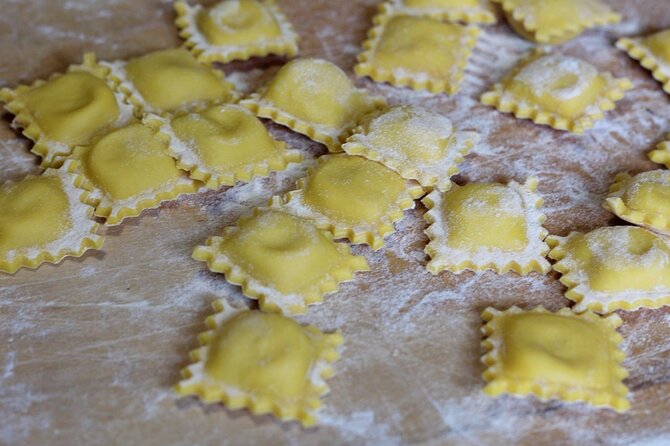
Ravioli is one of the two main pasta projects. You make the dough together, roll it out, and fill it with ingredients selected with the family. The filling may include ricotta, vegetables, or meat, depending on the group and the ingredients available.
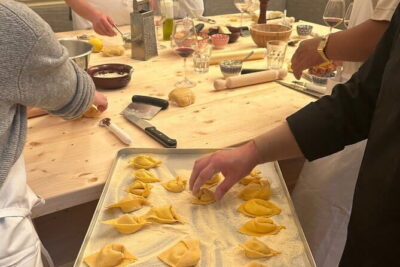
The hands-on part sounds simple until the dough becomes long and unwieldy. That is where the group effort becomes fun. Several people may need to work together to stretch and manage the pasta sheet, turning a basic cooking task into a shared activity.
I like this part because it gives you a technique you can repeat at home. You are not just tasting ravioli made by somebody else. You learn the shape, texture, filling, and general process, then receive the recipes as a PDF afterward.
The class is not presented as a strict cooking examination. Emily’s role is patient and encouraging, with plenty of room for conversation. That helps if you have never made fresh pasta before, but it also means experienced cooks should expect a friendly introduction rather than advanced instruction.
More Pasta Making Classes in Italy:
- Florence: Pasta Cooking Class with Unlimited Wine
★ 4.9 · 10,285 reviews - 3 in 1 Cooking Class near Navona: Fettuccine, Ravioli & Tiramisu
★ 5.0 · 7,376 reviews - Florence: Pasta & Tiramisu Cooking Class with Unlimited Wine
★ 4.9 · 6,708 reviews - Rome: Pasta Making Class with Wine, Limoncello, and Dessert
★ 4.9 · 3,177 reviews
Rolling and cutting fresh tagliatelle
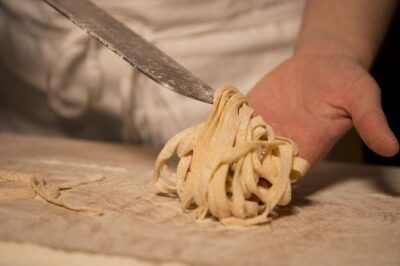
The second pasta course is tagliatelle, described on the menu as handmade fresh noodles prepared with ingredients from the garden. This gives the class a useful contrast: ravioli teaches filled pasta, while tagliatelle focuses on rolling, cutting, and serving a long noodle.
The work can become a group project, especially when the dough is rolled into large sheets. You get a clearer sense of how fresh pasta differs from dried supermarket noodles, both in texture and in the amount of care needed.
The sauces and final combinations may vary, since the family chooses ingredients according to what is available and what the group likes. That flexibility is a plus for people who enjoy local cooking rather than a fixed restaurant menu. It also means you should not expect every session to produce precisely the same dish.
The important point is that the two pasta recipes are made from scratch. You leave with practical ideas for a home kitchen, not just a pleasant memory of eating pasta in Italy.
Tiramisu from a grandmother’s recipe
Dessert is part of the lesson, not an afterthought. The group prepares tiramisu based on an old family recipe associated with the grandmother.
This is a welcome choice because it breaks up the pasta work and gives you a sweet recipe to take home. It also adds another personal layer to the class. The family stories are not separate from the menu. They explain why these particular dishes matter.
Some people arrive thinking tiramisu is not their favorite dessert and end up changing their minds. The version served here has been repeatedly praised for its flavor, and the recipe is included with the other cooking material.
I would not expect a pastry-school lesson. The value is in learning the family method and making the dessert as part of a larger meal.
Garden ingredients and the family table
Fresh produce is a major part of the experience. Tomatoes, grilled vegetables, herbs, and other ingredients may come from the garden on the property. You may also help pick some of the produce before cooking.
That small step changes how you think about the meal. A tomato used in the Caprese salad is not just a garnish. It connects the garden, the kitchen, and the table in a way that a restaurant meal usually cannot.
The menu also includes local mozzarella, salami, cheese, olives, tarallucci, and fresh pasta. Drinks include prosecco, local wine, and homemade limoncello. The exact balance can vary, but you should expect a generous meal rather than a sample-sized tasting.
The setting adds another layer. The family villa has broad views from the kitchen and balcony, and meals may be enjoyed outside when conditions allow. Good weather matters here, both for comfort and for the full effect of the setting.
Montepertuso and the listed Li Galli stop
Montepertuso is the meaningful location for the class. It gets you away from the busiest part of Positano and into a residential mountain setting connected to the family’s land and home. The views are one of the experience’s strongest features.
Li Galli is also listed as a stop in the itinerary. However, the supplied details do not explain whether this means a viewing point, a reference connected to the local area, or a separate sightseeing element. I would not assume that you are taking a boat trip to the Li Galli islands or spending a set amount of time there.
If Li Galli matters to your plans, ask the provider to clarify exactly how it fits into the experience. The cooking class itself is clearly centered on the home in Montepertuso, the food, and the family meal.
Is $181.41 a fair price?
At $181.41 per person, this costs more than a simple pasta lesson. I think the price makes sense if you value the complete package: approximately three hours, several recipes, a full meal, local drinks, family hosting, garden ingredients, and transport help.
You are also paying for the setting and the personal nature of the class. The family shares recipes connected to several generations, provides the ingredients, serves the finished food, and often supplies photos and videos through WhatsApp afterward. Those extras are useful because they help you remember the techniques and recreate the meal at home.
The value is weaker if your main goal is simply to eat inexpensive pasta. Positano has many places to do that for less. This activity earns its price through participation and atmosphere, not through the raw cost of the ingredients.
For a birthday, anniversary, family outing, or final-night meal, I think the price is easier to justify. It combines a cooking lesson with a long social evening, and the strong satisfaction reported by participants points to a consistently well-received experience.
Who will enjoy this class most?
I would recommend it to couples, families, and small groups who like food, conversation, and local traditions. Children are allowed, so it can work well for a family activity, especially if the children enjoy mixing, rolling, shaping, and tasting.
It is also a good choice if you want a break from Positano’s busy center. The trip to Montepertuso adds a change of pace, and the home setting feels more personal than a class held in a commercial kitchen.
You may want to skip it if you dislike group activities, cannot manage a steep mountain location, or prefer a quiet meal with no shared cooking. The hosts encourage a lively mood, and the class can include singing, dancing, and plenty of conversation.
English is offered, which makes the instruction practical for English-speaking visitors. The experience is also suitable for children and is located near public transportation, though you should still plan the ride to the home carefully.
Booking, weather, and cancellation details
Confirmation is provided when you book, and the activity is often reserved well ahead of time, with an average booking lead of about 77 days. That is a useful warning for peak Positano dates, especially if you have limited time in town.
You can cancel for a full refund up to 24 hours before the start time. Changes or cancellations made within 24 hours are not refunded. The class also depends on good weather and a minimum number of participants. If poor weather or low enrollment forces a cancellation, you are offered another date, another experience, or a full refund.
I would avoid booking this on the same day as an important transfer. Give yourself room for the taxi, the meal, and the return to the meeting point.
Should you book this Positano cooking class?
I would book it if you want your Positano food experience to feel personal rather than polished and commercial. The strongest reasons are the family welcome, the grandmother’s recipes, the garden ingredients, the views from Montepertuso, and the chance to make three dishes instead of watching one demonstration.
The price is high, and transportation requires a little planning. The Li Galli portion also needs clarification if you expect a separate sightseeing stop. But for an intimate meal with instruction, drinks, local produce, family stories, and recipes you can use at home, this is a strong choice.
Book early, ask how the ride to Montepertuso will work, and arrive hungry. If you do, the class has the ingredients for one of the most memorable afternoons or evenings of a Positano stay.
FAQ
Where does the cooking class meet?
The meeting point is Piazza Cappella in Positano, Italy. The cooking takes place at a local family home in Montepertuso, and the activity ends back at the meeting point.
How long does the experience last?
The cooking class lasts approximately three hours.
What dishes will I make?
The planned dishes are fresh ravioli, handmade tagliatelle, and tiramisu. The ravioli filling may include ricotta, vegetables, or meat, depending on the ingredients selected with the group.
What food is included?
The menu includes a welcome appetizer with salami, tarallucci, local cheese, olives, and prosecco. It also includes Caprese salad, local mozzarella, fresh tomatoes, rocket, grilled vegetables, the pasta dishes, and tiramisu.
Are drinks included?
Yes. The experience includes prosecco and local wine, and the family also serves homemade limoncello.
Is the class offered in English?
Yes. The experience is offered in English.
Are children allowed to participate?
Yes. The activity is described as suitable for children.
How many people can join the class?
The stated maximum is 14 participants.
Can I cancel for a refund?
Yes. You can cancel at least 24 hours before the start time for a full refund. Cancellations or changes made less than 24 hours before the start time are not refunded. Weather or minimum-participant cancellations may result in another date, another experience, or a full refund.
Just added around Italy
- Cesarine: Home Cooking Class & Meal with a Local in Catania★ 4.5 · 10 reviews
- Cooking Class in a Sicilian countryhouse★ 5.0 · 5 reviews
- Cesarine: Market Tour & Home Cooking Class in Catania★ 4.0 · 6 reviews
- Cooking Class in Taormina with Lunch Included★ 5.0 · 2 reviews
- Cooking Class and Wine Pairing in Capri★ 5.0 · 57 reviews
- Cooking class in Capri for small groups★ 4.0 · 4 reviews
- Private Cooking Class Experience in Reggio Calabria★ 5.0 · 5 reviews
- Lezione di Cucina : Pasta Fresca★ 5.0 · 12 reviews
Pasta Making Classes, compared.
3 in 1 Cooking Class near Navona: Fettuccine, Ravioli & Tiramisu
Read our review →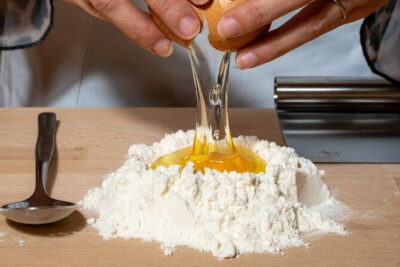
Pasta & Tiramisu Cooking Class with Unlimited Wine
Read our review →
Pasta Making Class with Wine, Limoncello, and Dessert
Read our review →
Rome Cooking Class: Make Pasta and 3 Spritz Cocktails
Read our review →
3-in-1 Fettuccine, Ravioli, and Tiramisu Cooking Class
Read our review →
Fettuccine Pasta Cooking Class in Rome’s City Center
Read our review →Lists this class appears in