
REVIEW · APULIA, ITALY
Bari: Pasta & Tiramisu Cooking Class at a Local’s Home
Good food opens Italian doors. This three-hour class takes you into a local home in Bari, where you learn to roll fresh sfoglia, prepare two pasta dishes, and make tiramisu with an Italian home cook. I especially like the hands-on pasta lesson and the chance to eat what you prepare with local wine. The main point to consider is that the host’s address arrives only after booking, so you cannot judge the exact location in advance.
I also like the warm, family-style setting. Hosts such as Fernanda, Cristiana, and Juanita have helped turn a basic cooking lesson into a personal meal, with some sessions including family members and garden-grown ingredients. This is not the right choice if you need wheelchair access, and pasta-making can be messy, but that is part of the charm.
Key points at a glance
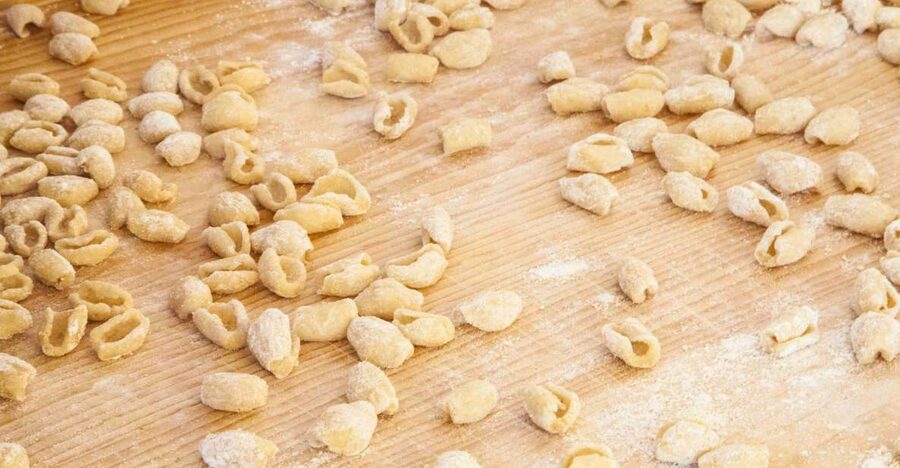
- Fresh pasta by hand: Learn how to roll sfoglia and prepare two traditional pasta types from scratch.
- A real Bari home: Cesarine hosts welcome you into their private homes rather than a formal cooking school.
- Tiramisu is part of the meal: You prepare the dessert yourself, then eat it with the pasta dishes.
- Aperitivo before cooking: Prosecco and small snacks begin the three-hour experience.
- Food and drinks are included: The meal includes your two pasta recipes, tiramisu, water, wine, and coffee.
- A personal host match: Cesarine asks about allergies, food intolerances, your neighborhood, and how you plan to reach the home.
Why this Bari cooking class feels different
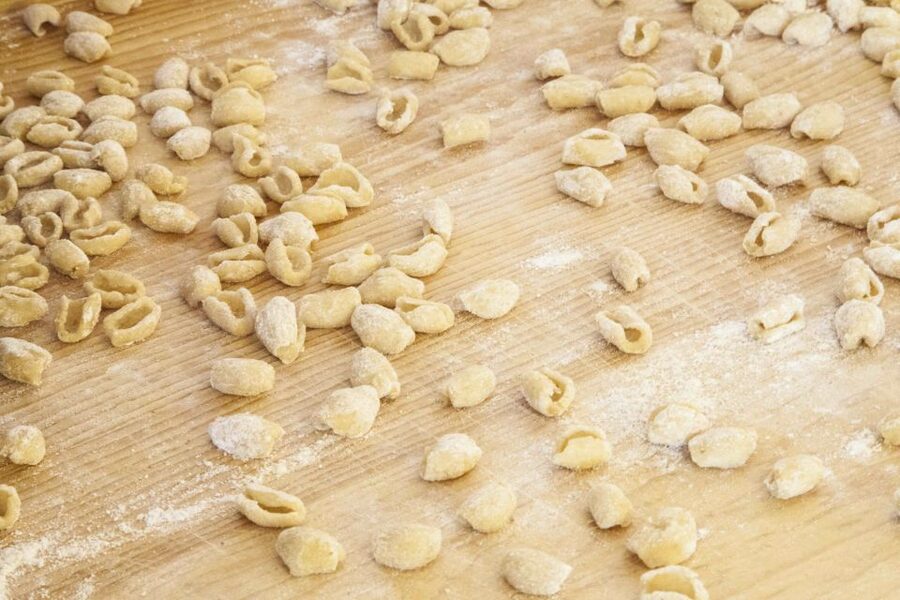
Bari has plenty of places to eat pasta. This class gives you a better look at how pasta reaches the table in an Italian home.
The setting matters. Cesarine is a network of local home cooks across Italy, and each host uses family recipes and regional traditions. You are not simply watching a chef work behind a counter. You are entering someone’s home, handling the dough, listening to cooking advice, and sharing the finished food at the same table.
That setting can make the experience feel more personal than a standard restaurant meal. It also means the exact evening depends on your host. Fernanda, for example, has welcomed people with her family and taught them to make pasta from semolina and warm water by hand. Another host, Juanita, helped visitors feel part of the family while showing them how to make both fresh pasta and tiramisu.
You should expect a social class, not a private tutorial designed around your exact skill level. You will cook alongside other people who enjoy Italian food. That can be a real advantage if you like meeting people over a meal. If you prefer quiet, highly structured instruction, the home setting may feel less polished.
More Pasta Making Classes in Bari:
- Bari: Pasta and Tiramisu Cooking Class with Wine
★ 4.8 · 389 reviews - Bari: Pasta and Tiramisu Cooking Class with Wine
★ 5.0 · 273 reviews - Bari Cooking Class: Traditional Focaccia & Orecchiette
★ 4.8 · 69 reviews
Starting with prosecco and an Italian aperitivo
The class begins with an Italian aperitivo: prosecco and small nibbles. This is more than a courtesy drink. In Italy, the aperitivo gives people time to settle in, meet the host, and begin talking before the main meal takes shape.
I like this opening because it avoids the rushed feeling of walking straight into a lesson. You can get comfortable in the home, hear what you will be preparing, and start to understand the rhythm of the evening.
The food is the center of attention, so the aperitivo is not meant to replace dinner. It is a light start before the pasta work begins. If you are very hungry, keep that in mind when planning your day, although the class does include a full meal later.
The host speaks Italian and English. English instruction is especially useful when learning small techniques, such as how firmly to press the dough or how thin to roll it. You should still expect the atmosphere to be relaxed rather than classroom-formal.
Rolling sfoglia and shaping two pasta dishes
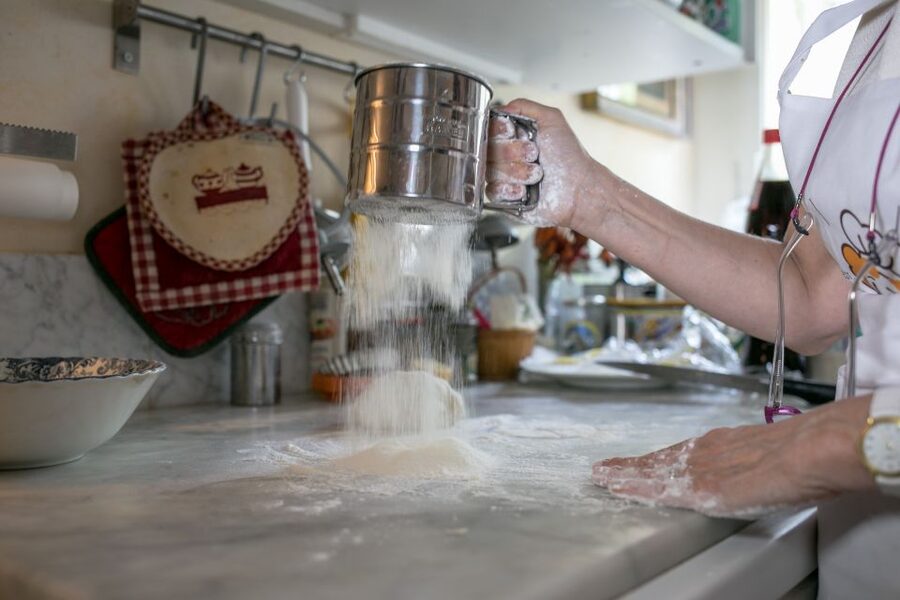
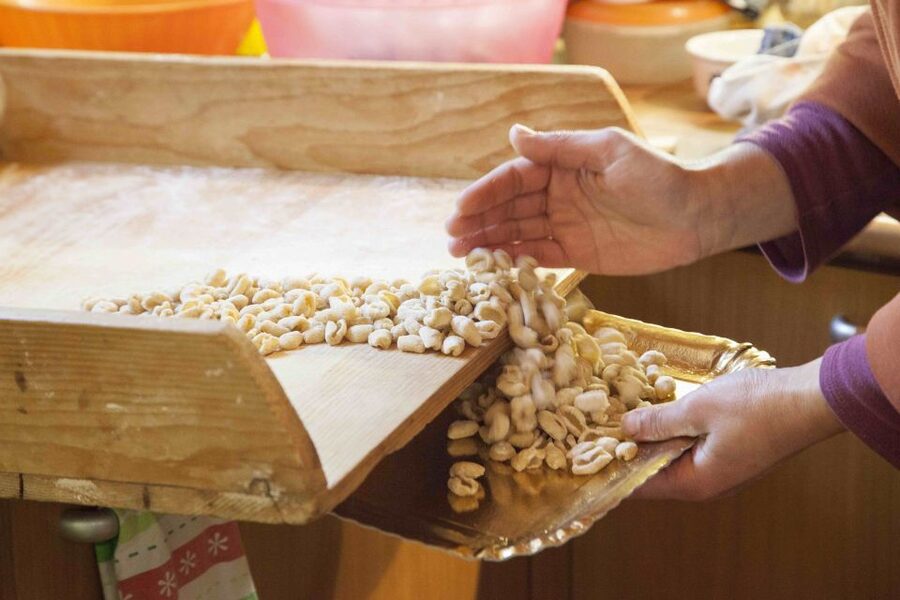
The heart of the class is fresh pasta. You learn to roll sfoglia by hand, starting with the dough and working it into sheets. This is the kind of task that looks simple until you try it. The dough needs attention, pressure, and patience, and your host can show you how to handle it without relying on a machine.
The class teaches two different pasta types. The precise shapes and sauces may depend on the host and the regional recipes chosen for your session, so do not book this expecting one fixed menu. The common thread is that you make the pasta from scratch and later eat it as part of the meal.
One useful detail comes from Fernanda’s lesson. She teaches pasta made from semolina and warm water by hand, then cooks it with tomatoes and olive oil. That combination gives you a practical recipe to remember at home. It uses familiar ingredients, yet the fresh dough changes the result completely.
You may also find that your host offers more than the stated two pasta types. One especially enthusiastic session included three types of pasta. Treat that as a possible bonus, not a promise. The advertised experience is built around two pasta recipes.
For me, the value is not just the finished dish. You leave with a method. You learn what the dough feels like, how to roll it, and how a simple sauce can support fresh pasta without covering it up. Those are skills you can use in your own kitchen.
The drawback is that hand-making pasta takes effort. If you want to sit back and watch a professional produce perfect shapes, this is not the best format. Your pasta may not look uniform, and that is fine. The point is to learn by doing.
Making tiramisu from the beginning
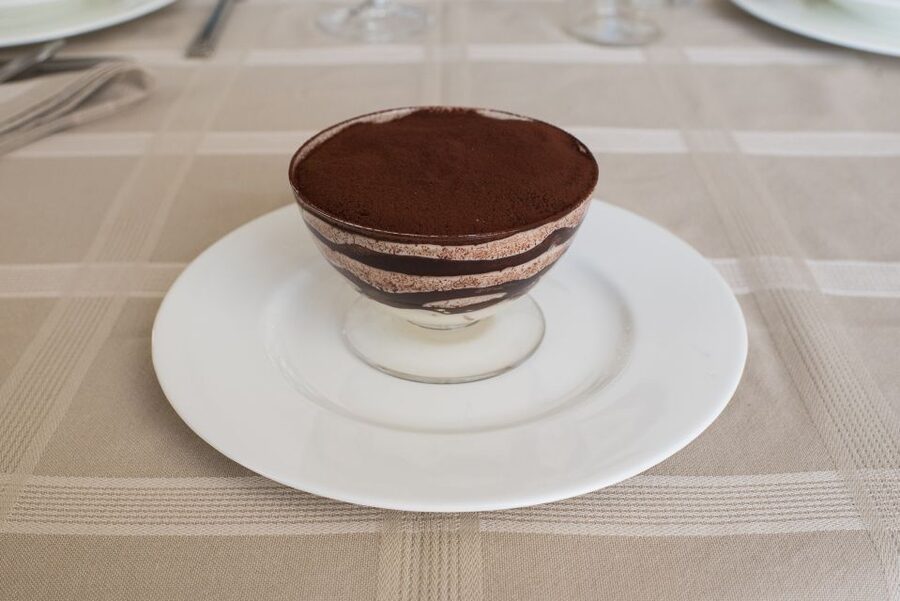
After the pasta work, you prepare tiramisu. This gives the class a useful change of pace. Pasta requires hands-on dough work, while tiramisu lets you focus on assembling a classic Italian dessert.
The precise recipe can vary by host, but the class includes preparation of the tiramisu and the chance to eat it afterward. That makes the dessert feel connected to the meal rather than an unrelated demonstration.
Tiramisu is also a smart dish for a shared class. Several people can take part in the preparation, and the finished dessert can be set aside while the pasta is cooked. You do not need to spend the entire three hours on one task.
The strongest sessions seem to balance instruction with conversation. Juanita, for example, was praised for showing how to make both tiramisu and fresh pasta while creating a friendly, family-like atmosphere. That combination is important. You are learning recipes, but you are also seeing how food works as a social language in an Italian home.
If tiramisu is your main reason for booking, check your food restrictions carefully before reserving. Cesarine asks for allergy and intolerance information, but you should provide it at booking or by email with your reservation details.
More Tiramisu and Dessert Classes in Bari:
- Cooking class of Tagliatelle and Tiramisu in Altamura
★ 5.0 · 7 reviews - Premium Cooking Class in Bari: Pasta & Tiramisu, free wine bottle
★ 5.0 · 2 reviews - 3 in 1 Cooking Class near Navona: Fettuccine, Ravioli & Tiramisu
★ 5.0 · 7,376 reviews - Florence: Pasta & Tiramisu Cooking Class with Unlimited Wine
★ 4.9 · 6,708 reviews
Sitting down to eat what you made
The final reward is lunch or dinner made from your own work. The included meal consists of the two pasta recipes and tiramisu, with water, wine, and coffee. This is where the class shifts from lesson to shared table.
I like this format because you can taste the results while the techniques are still fresh in your mind. You can compare the texture of handmade pasta with what you normally eat at home, and you can ask the host about sauces, ingredients, and serving ideas.
Wine is included, but the experience is not described as a wine tasting. Think of the wine as part of the meal. Prosecco comes with the opening aperitivo, while wine accompanies the pasta and dessert meal.
Some hosts add a personal touch through their own ingredients. Fernanda grows several items in her garden, and fresh produce helped make her meal feel closely tied to her home. This is not guaranteed for every booking, but it shows why the host match matters.
The meal also gives you time to talk with the other people in the class. The social part can be one of the best reasons to choose this over a regular food tour. You are not just consuming a dish prepared for you. You have a shared task and a shared result.
The hosts make or break the evening
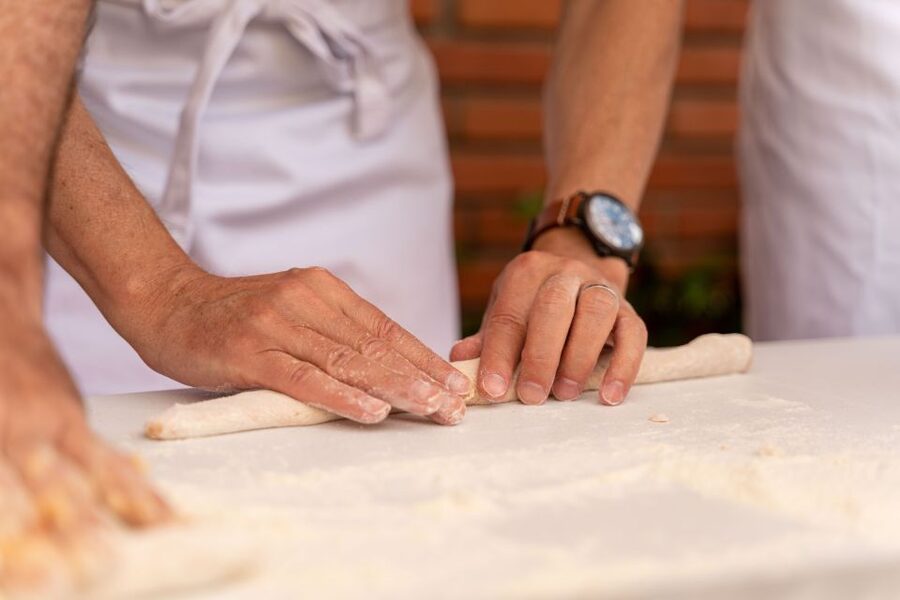
The strongest praise goes to the individual home cooks. Cristiana is described as a perfect host, and Fernanda is praised for her patience, warm family, and clear pasta instruction. Juanita also created a welcoming atmosphere while teaching pasta and tiramisu.
These names are useful because they show the range of the experience, but you should not assume you will be assigned to one particular host. Cesarine matches people with local cooks, and your host details arrive after the booking process.
That uncertainty is both a strength and a limitation. You may end up with a wonderful personal connection, as happened in sessions with Fernanda and her family. On the other hand, you cannot select a restaurant, neighborhood, or exact menu in advance from the information available here.
The private-home format also means you should be comfortable with a little unpredictability. A host’s teaching style, kitchen setup, and family presence can differ. For many people, that is precisely what makes the experience feel genuine. For others, a dedicated cooking studio may feel easier.
What the $112.15 price really covers
At $112.15 per person, the cost is higher than a simple restaurant meal in Bari. The price becomes easier to justify when you count what is included: a three-hour lesson, two pasta preparations, tiramisu, aperitivo, the complete meal, water, wine, and coffee.
You are also paying for access to a private home and a local host. That is the part you cannot reproduce by ordering pasta at a trattoria. The experience combines instruction, food, drinks, and social time in one booking.
I would consider it good value for someone who wants an activity as well as dinner. It is less attractive if your only goal is to eat cheaply. You may also find better value if you already plan to take several cooking classes during your trip and want to avoid repeating the same type of experience.
The five-out-of-five rating from 33 reviews points to a very strong response, particularly for hospitality and the family atmosphere. Still, ratings cannot remove the practical tradeoffs. The address is private until you book, the menu may vary, and the setting is not wheelchair accessible.
Planning your route to a private home
You receive the full address and host telephone number after booking. This protects the host’s privacy, but it means you need to wait before working out the exact route.
Cesarine asks where you are staying and how you plan to travel to the host’s home. Give that information at booking. It helps the team match you with a suitable local cook and provide practical details.
The class lasts three hours, but starting times vary. Check the available time before you commit, especially if you are fitting this around a train, a guided visit, or an evening reservation.
The experience is in a local home, not necessarily in central Bari. Do not assume that every host is within a short walk of the old town. Once you receive the address, allow enough time to reach the neighborhood without arriving flustered and hungry.
Free cancellation is available up to 24 hours before the experience for a full refund. You can also reserve and pay later, which helps if your Italy schedule is still changing.
Who will enjoy this most
I would choose this class if you want to do something active in Bari and care about local food beyond the restaurant menu. It suits couples, friends, solo visitors who enjoy meeting people, and families who want a shared activity.
It is also a strong choice for anyone who has tried fresh pasta in Italy and wants to understand how it is made. The hand-rolling lesson gives you a skill to take home, rather than only a photograph of a finished plate.
Food lovers will appreciate the combination of pasta, tiramisu, wine, and conversation. The experience also suits people who enjoy family stories and informal hospitality more than polished demonstrations.
I would think twice if you need a fully accessible space, dislike unknown locations, or have strict dietary requirements that have not been discussed in advance. The class can accommodate planning details only if you provide your allergies and intolerances early.
Is the Bari pasta class worth booking?
Book it if you want a warm, social meal with a real local cook, not just another restaurant reservation. The best reason to go is the combination of practical pasta skills and personal hospitality. You learn to make the food, then sit down with the people who helped you make it.
The price is fair for a three-hour experience that includes instruction, aperitivo, dinner, dessert, wine, and coffee. I would especially recommend it for a first visit to Bari, when a home meal can give you a more personal connection to Apulian food.
Skip it if you want a fixed menu, a known address, or a fully accessible venue. Otherwise, provide your food restrictions and lodging details early, keep your schedule flexible, and arrive ready to work with your hands. The pasta will not roll itself.
FAQ
How long does the Bari pasta and tiramisu class last?
The experience lasts three hours. Starting times vary, so check availability for the date you want.
What will I learn to cook?
You will learn to roll fresh sfoglia by hand, prepare two types of pasta from scratch, and make tiramisu.
Is a meal included?
Yes. You eat the two pasta recipes and tiramisu you prepared during the class.
Are drinks included?
Yes. The experience includes prosecco and nibbles for the aperitivo, plus water, wine, and coffee with the meal.
Where does the class take place?
The class takes place in a local host’s home. For privacy, the full address and host telephone number are sent after booking.
What languages does the host speak?
The experience is offered in Italian and English.
Can I cancel for a refund?
You can cancel up to 24 hours in advance for a full refund. Reserve-now, pay-later booking is also available.
Just added around Bari
- Polignano : Typical Cooking Class with Aperitif and wine included★ 4.5 · 33 reviews
- Cesarine: Home Cooking Class & Meal with a Local in Bari★ 5.0 · 17 reviews
- Dining Experience at a local’s Home in Polignano a mare with Show Cooking★ 3.0 · 2 reviews
- 4-Day Puglia Sightseeing Tour Including Cooking Class★ 5.0 · 18 reviews
- Premium Cooking Class in Bari: Pasta & Tiramisu, free wine bottle★ 5.0 · 2 reviews
- People of Bari unusual guided tour with pasta making at Grandma house★ 5.0 · 54 reviews
- Bari Cooking Class : Traditional Focaccia & Orecchiette★ 5.0 · 63 reviews
- Cesarine: Dining & Cooking Demo at Local’s Home in Bari★ 5.0 · 7 reviews
Pasta Making Classes, compared.


3 in 1 Cooking Class near Navona: Fettuccine, Ravioli & Tiramisu
Read our review →
Pasta & Tiramisu Cooking Class with Unlimited Wine
Read our review →
Pasta Making Class with Wine, Limoncello, and Dessert
Read our review →
Rome Cooking Class: Make Pasta and 3 Spritz Cocktails
Read our review →
3-in-1 Fettuccine, Ravioli, and Tiramisu Cooking Class
Read our review →
Fettuccine Pasta Cooking Class in Rome’s City Center
Read our review →Lists this class appears in