REVIEW · LAZIO, ITALY
Rome: Roman Master Chef Cooking Class with Wine
Make pasta, drink wine, leave with dinner skills. This Rome cooking class gives you a hands-on lesson in fresh fettuccine and tiramisu, with a local chef guiding the work inside a Roman restaurant. I like the practical format, and I like that the meal comes with wine, limoncello, coffee, soft drinks, and water rather than a separate bill for every sip.
The class runs for about 2.5 to 3 hours, which gives you enough time to cook, eat, and talk without turning the experience into a rushed demonstration. The main consideration is that some sessions may begin later than scheduled, and sauces are not always part of the lesson. If your heart is set on mastering a complete pasta sauce, check the exact class details before booking.
Key points at a glance
- Fresh pasta by hand: You work with the ingredients and tools, then shape your own fettuccine from scratch.
- Tiramisu is part of the meal: You prepare the coffee-flavored dessert, layer it, and finish it with cocoa.
- Roman restaurant setting: The class takes place inside a local restaurant, with dining space or an outdoor terrace for the meal.
- Drinks are included: Wine, limoncello, coffee, soft drinks, and water are provided during the experience.
- English instruction: The local chef and host teach in English and help keep the whole group involved.
- Good value at $32: For a cooking lesson, a full pasta-and-dessert meal, drinks, recipes, and a host, the price is unusually modest.
What the Roman cooking class is really like
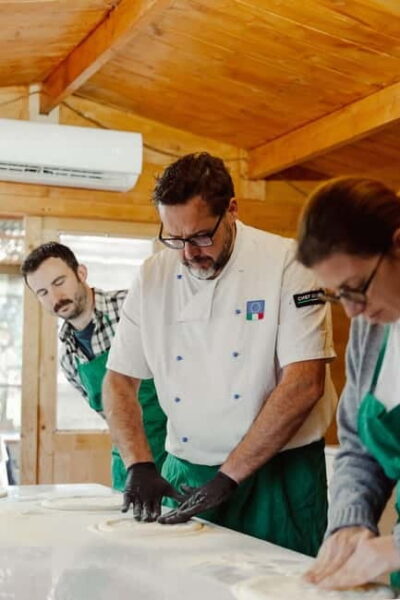
This is not a watch-the-chef-then-go-home kind of activity. You gather around the ingredients, handle the dough, prepare the dessert, and sit down to eat what you made. That difference matters. You remember a meal better when your hands helped create it.
The class is held inside a Roman restaurant in Lazio, with the meal served in the restaurant or on an outdoor terrace. You get the atmosphere of a working food business without needing to commit to a formal fine-dining evening. The setting also makes the lesson feel connected to Rome rather than like a generic cooking studio.
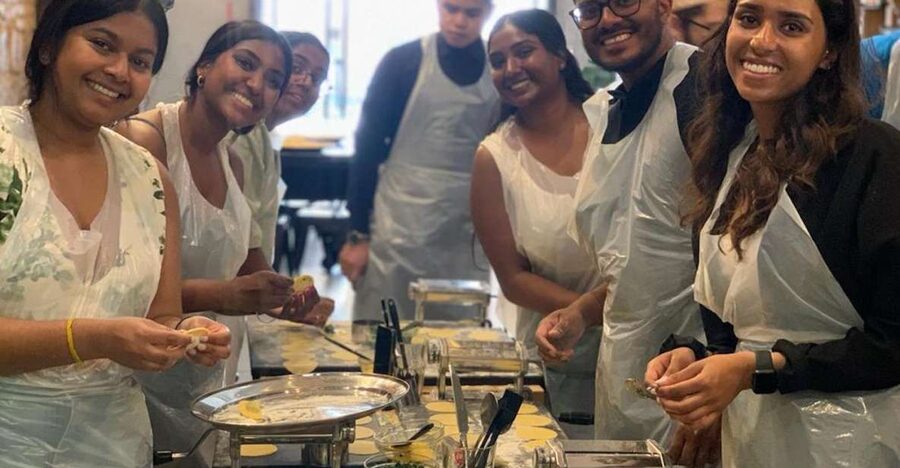
The format is social. One class had about 12 people, small enough for the chef to help individuals while still giving you the fun of meeting people from different countries. The hosts use jokes, music, and steady interaction to keep the pace light. That is helpful if you are nervous about cooking in front of strangers.
You should expect a friendly group activity rather than a quiet, private lesson. If you prefer one-on-one instruction, this may feel busy. If you enjoy sharing a table and comparing pasta shapes with new acquaintances, the group setup is part of the appeal.
More Cooking Classes with Wine Tasting in Italy
- Rome: Pasta Making Class with Wine, Limoncello, and Dessert
★ 4.9 · 3,177 reviews - Fettuccine & Tiramisù: Cooking Class with Wine & Limoncello
★ 4.9 · 2,103 reviews - Pasta Making & Wine Tasting with Dinner in Frascati from Rome
★ 5.0 · 1,326 reviews
Gathering ingredients before the cooking begins
At the start, the chef or host provides the tools and ingredients needed for the pasta and tiramisu. The staff’s preparation is one of the strong points of the experience. The work moves efficiently, so you spend more time cooking and less time waiting for equipment or wondering what happens next.
The instruction is in English. The chef demonstrates each stage and calls out the ingredients and steps so the group can follow along. You can expect help with the practical parts of the process, including shaping pasta and keeping up with the class.
The class is designed for ordinary visitors, not trained cooks. You do not need to arrive with pasta-making experience. Still, you should be comfortable standing or working at a shared station for much of the lesson, since this is a hands-on activity.
Drinks help set the tone. Fine wine and limoncello are included, along with coffee, soft drinks, and water. Some sessions may begin with prosecco and a hot drink, based on the food and drink service described by participants. Since exact service can vary, treat the listed drinks as the reliable guide rather than expecting a particular brand or opening toast.
Making fettuccine from scratch
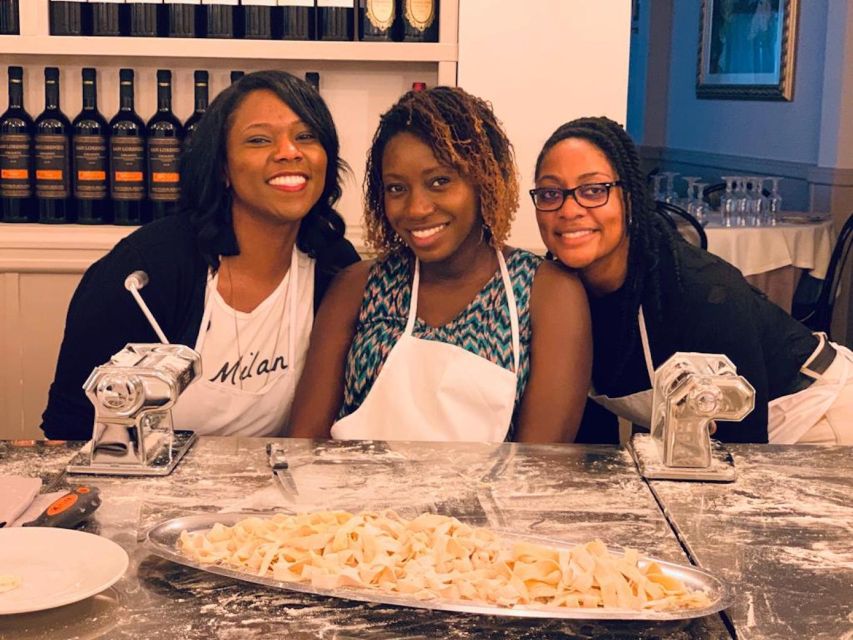
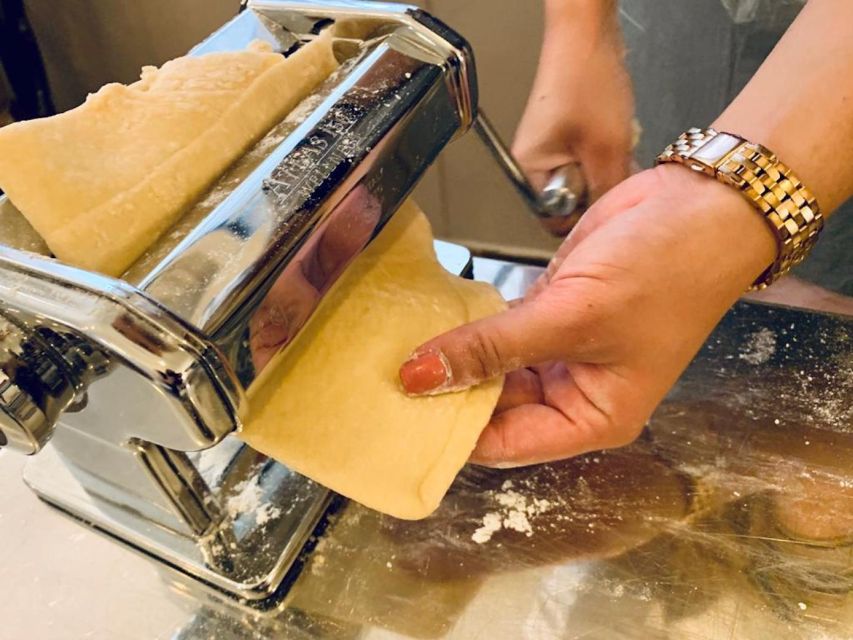
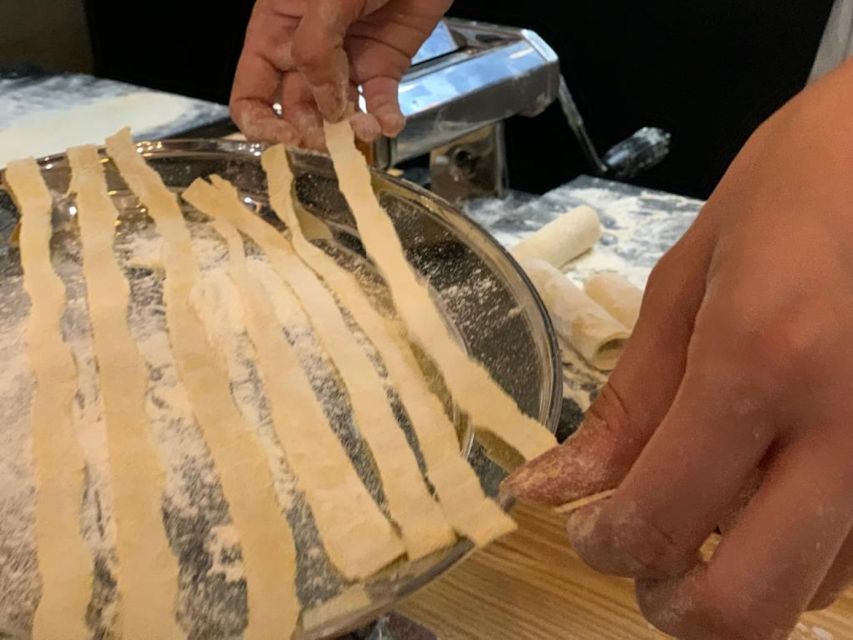
The pasta portion is the main event. You learn how to prepare fresh dough and turn it into handmade fettuccine. The pleasure is in the simple work: mixing, rolling, cutting, and seeing a pile of fresh pasta take shape under your hands.
A good chef makes this less intimidating by breaking the process into clear stages. Here, the teaching is structured so each person can take part. The chefs and hosts are attentive to the whole table, not just the most confident cooks. That is important in a group class, since one fast pasta maker can otherwise leave everyone else behind.
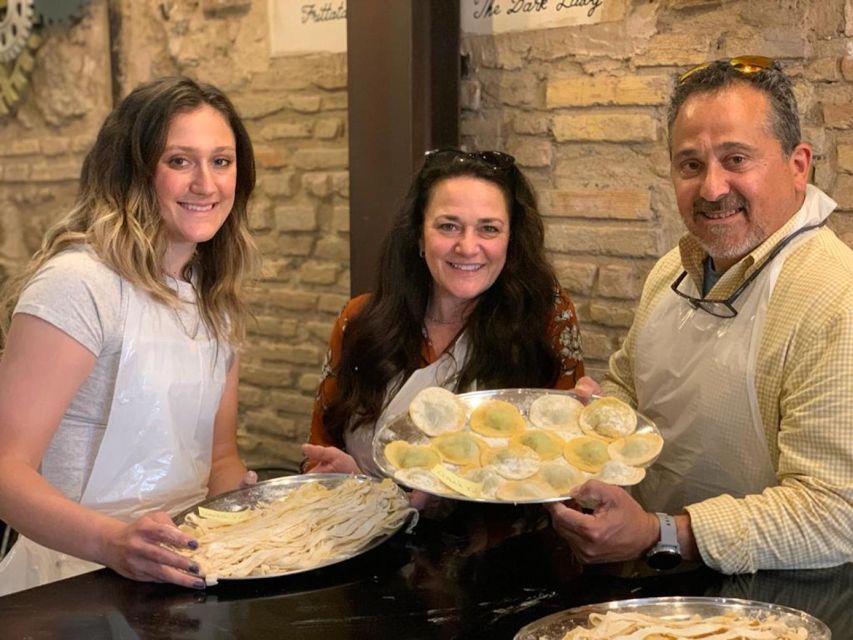
The class may also include ravioli in some sessions. One participant described making both fettuccine and ravioli, and praised the ravioli in particular. Because the experience is presented primarily around fettuccine and tiramisu, you should not assume ravioli is guaranteed every time. Consider it a possible bonus, not the central promise.
The biggest limitation is sauce instruction. The pasta itself receives clear attention, but sauce preparation may not be included in the same detail. If you want a lesson covering dough, fillings, sauces, and full meal planning, this class may feel narrower. If you want to learn the basic skill of making fresh pasta without paying for a long culinary course, the focus works well.
Preparing tiramisu with coffee and cocoa
Tiramisu gives the lesson a second rhythm. Pasta asks you to work with dough and shape. Dessert asks you to build layers and pay attention to texture, coffee flavor, and cocoa.
You prepare your own tiramisu rather than simply receiving a pre-made portion. That makes the dessert especially useful to recreate at home. You leave with the method and recipes, so the lesson continues after Rome when you make it for friends or family.
The dessert is described as a coffee-flavored Italian classic finished with cocoa. It is a smart choice for a class because it is recognizable, practical, and closely tied to Italian home cooking. You do not need elaborate equipment to repeat it later.
The timing also makes sense. While parts of the dessert rest or come together, the group can focus on pasta. That helps the 2.5 to 3 hour schedule feel full without becoming frantic. You get two separate cooking projects and then a proper meal.
More Cooking Classes with Wine Tasting in Rome
- Rome Cooking Class: Make Pasta, Dine & Drink Wine With Local Chef
★ 5.0 · 1,263 reviews - Rome: Combo Pizza and Pasta Cooking Class with Wine
★ 4.6 · 1,180 reviews - Rome: Pasta Making with Wine Tasting and Dinner in Frascati
★ 4.9 · 979 reviews - Super Fun Pasta & Gelato Class by Vatican with Wine + Oil Tasting
★ 5.0 · 726 reviews
Sitting down to eat your own Roman meal
Once the work is finished, you sit down in the restaurant or on the outdoor terrace. This is where the class pays off. You are not merely carrying a recipe card out the door. You eat the pasta and tiramisu while they are fresh, with drinks included.
I like this finish because it turns a lesson into a complete afternoon or evening plan. You do not need to find a restaurant afterward, and you can judge the results immediately. The meal is also a useful check on the instruction: if your pasta turns out well, you know the method was clear enough to repeat.
The atmosphere is part of the experience. The hosts are described as funny, welcoming, and good at keeping everyone involved. Music may play during the class, and the group energy can make the meal feel more like a shared Roman night out than a formal cooking exam.
Do not expect a carefully paced tasting menu or a polished chef’s counter. This is a friendly cooking class with a restaurant meal at the end. The food is the result of your group’s work, so the experience depends partly on how willing you are to participate.
The people who make the class work
The chef and hosts matter as much as the ingredients. Several instructors receive strong praise for clear explanations, humor, and personal attention. Names mentioned in the class feedback include Sid, Eleonor, Eddie, Giacomo, and Mathilde.
That does not mean every session will have the same team. It does show the kind of teaching style you can expect: lively, patient, and directed at the full group. Mathilde was particularly praised for explaining each step clearly and making sure everyone took part. Chef Eleonor was also singled out for excellent instruction.
The best sign is that the class seems to balance entertainment with useful information. The jokes and music keep the mood relaxed, but the chefs still call out ingredients and steps carefully. That balance suits first-time cooks who want to learn without feeling tested.
You should also expect a shared experience with people you do not know. One of the pleasures is meeting other visitors from around the world while waiting for dough or enjoying the finished meal. The social side may be less appealing if you want a private romantic activity, but it is a real strength for solo visitors and small groups.
What $32 gets you in Rome
At $32 per person, this is strong value. You receive a 2.5 to 3 hour cooking class, a local chef guide, a host, fresh pasta, tiramisu, recipes, wine, limoncello, coffee, soft drinks, and water. You also receive the social setting and the meal itself.
Rome can make even a simple lunch expensive, especially in areas popular with visitors. Here, your payment covers both an activity and food. You are not paying only for entertainment, then buying dinner separately.
The value is best if you care about learning something you can repeat at home. A restaurant meal disappears after the last bite. The pasta and tiramisu recipes give you a souvenir with practical use. You can recreate the dishes and remember the Roman afternoon as you cook.
There are limits. The class does not promise a full survey of Roman cuisine, a long lesson on regional sauces, or advanced culinary training. At this price, that is fair. Think of it as an approachable introduction to fresh pasta and tiramisu, not a professional kitchen course.
Timing, diets, and planning your day
The duration is listed as 2.5 to 3 hours, with starting times that vary by availability. Build some flexibility into your day. One class began later than expected, although the delay did not cause trouble for someone who had no plans afterward.
I would avoid booking a major timed attraction immediately after the class. The cooking, dining, and group pace can take the full advertised time, and a late start could stretch the finish. The experience works best when you let it occupy a generous part of your schedule.
The meeting point may vary depending on the option you book. Read the final meeting instructions carefully rather than assuming every session begins at the same restaurant or address.
Dietary needs can be supported, including vegetarian, vegan, lactose-intolerant, and other diets. Tell the provider when booking. Do not wait until the class begins, since the kitchen needs notice to prepare suitable ingredients.
The instruction language is English. If you need another language, this experience may not be the right fit, since English is the language provided.
Who should book this experience
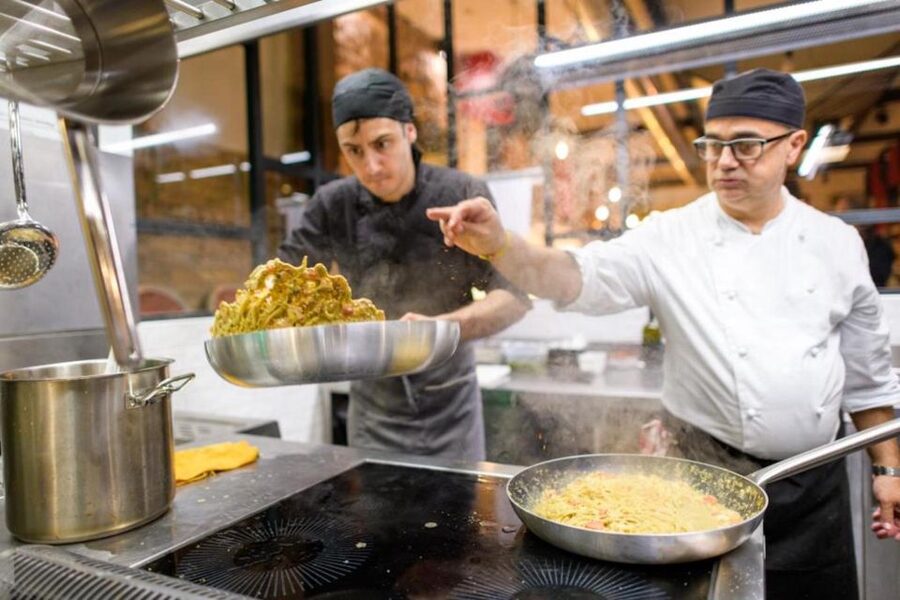
I would recommend the class to first-time visitors who want an easy way to connect with Italian food. It is also a strong choice for solo visitors, couples who enjoy group activities, families with older children, and anyone who likes learning by doing.
You should book it if you want:
- A relaxed introduction to handmade pasta
- A meal and activity in one booking
- A social class with wine and limoncello
- Recipes you can use at home
- Clear English instruction
- A modest price in a costly city
I would hesitate if you want a private lesson, detailed sauce training, or a tightly timed activity with no possibility of delay. I would also check the dietary arrangements in advance if your needs are complex.
The class works especially well early in a Rome visit. You learn recipes you can use as a guide for later meals, and you get a friendly introduction to Italian food customs without needing to know much beforehand.
Should you book the Roman Master Chef Cooking Class?
Yes, if you want a cheerful, practical food experience at a low price. The strongest parts are the hands-on pasta work, the homemade tiramisu, the generous drinks service, and the instructors’ ability to keep a group of about a dozen people involved.
Book it with the right expectations. You are not signing up for a complete Roman culinary education, and sauce-making may be limited. You are signing up to make fresh pasta, prepare tiramisu, eat the results, meet other people, and leave with recipes for $32.
That is a lot of Rome for the money. Keep your schedule flexible, mention dietary needs early, and confirm the meeting point for your chosen option. If those details suit you, this is an easy class to recommend.
FAQ
How long does the Roman cooking class last?
The class lasts about 2.5 to 3 hours. Starting times vary, so check availability when choosing your date.
How much does the experience cost?
The listed price is $32 per person.
What food do I make?
You make handmade fettuccine pasta from scratch and prepare tiramisu, a coffee-flavored Italian dessert finished with cocoa. Some sessions may also include ravioli, but fettuccine and tiramisu are the core dishes described.
Are drinks included?
Yes. Fine wine and limoncello are included, along with coffee, soft drinks, and water.
Is the class taught in English?
Yes. The instructor language is English.
Where does the cooking class take place?
The class takes place inside a Roman restaurant. You may eat in the restaurant or on an outdoor terrace. The exact meeting point can vary depending on the option booked.
Are dietary options available?
Yes. Vegetarian, vegan, lactose-intolerant, and other dietary needs can be supported. Inform the activity provider when booking.
Do I receive recipes to take home?
Yes. You receive authentic Italian recipes so you can recreate the pasta and tiramisu at home.
Can I cancel for a full refund?
Yes. You can cancel up to 24 hours in advance for a full refund. A reserve-now, pay-later option is also available.
Just added around Rome
- Testaccio: Home Cooking Cacio e Pepe, Amatriciana, Carbonara★ 4.9 · 57 reviews
- Super Fun Pasta and Gelato Cooking Class by the Vatican★ 5.0 · 6 reviews
- Spritz and Spaghetti Traditional Cooking Class in Rome★ 4.9 · 30 reviews
- ROME:Hands-On Lasagna & Marsala Tiramisu Cooking Experience”★ 5.0 · 3 reviews
- Rome: Trastevere Pasta Making Class★ 4.9 · 33 reviews
- Rome: Traditional Pasta and Tiramisu Cooking Class★ 5.0 · 4 reviews
- Rome: Vatican Food Tours, Cooking classes & Free Tours★ 4.9 · 11 reviews
- Rome: Small Group Pasta cooking class near Piazza Navona★ 4.9 · 8 reviews
Cooking Classes with Wine Tasting, compared.
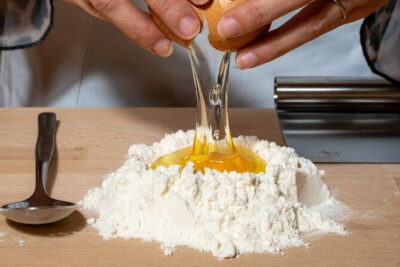
Pasta & Tiramisu Cooking Class with Unlimited Wine
Read our review →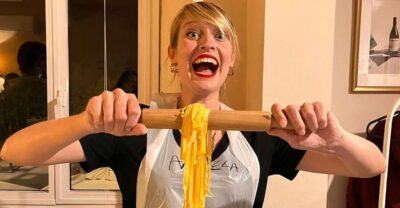
Pasta Making Class with Wine, Limoncello, and Dessert
Read our review →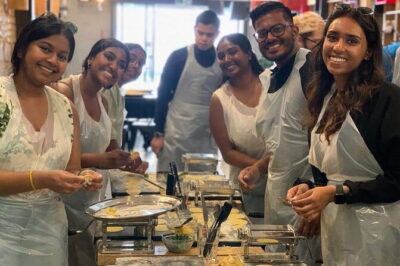
Cooking Class Pasta & Tiramisu Making Unlimited Wine
Read our review →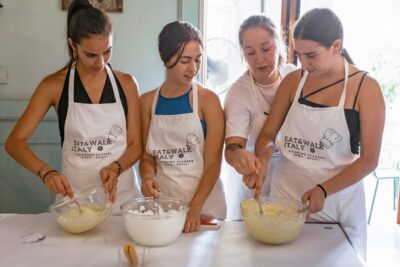
Fettuccine & Tiramisù: Cooking Class with Wine & Limoncello
Read our review →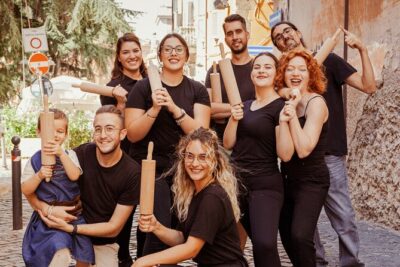
Pasta Making & Wine Tasting with Dinner in Frascati from Rome
Read our review →
Rome Cooking Class: Make Pasta, Dine & Drink Wine With Local Chef
Read our review →