
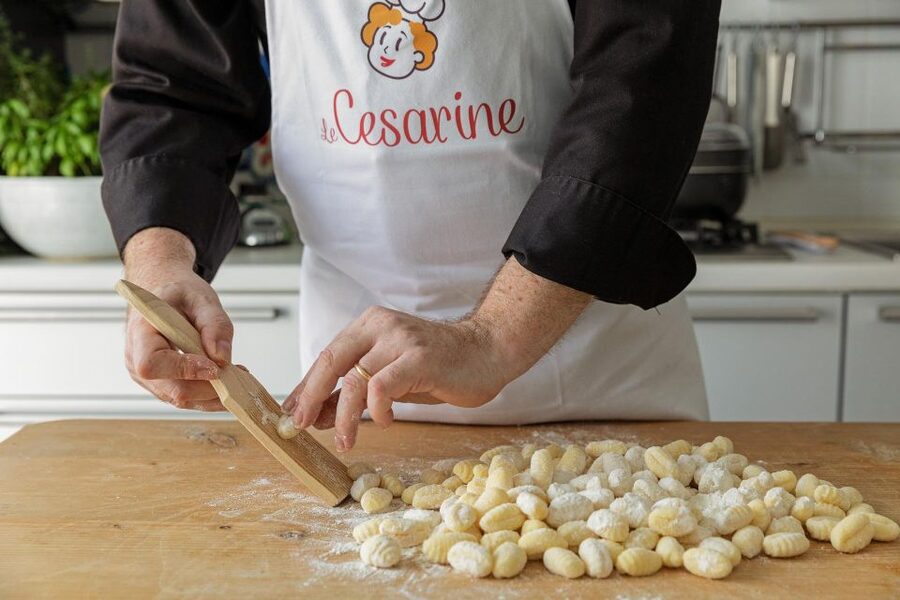
REVIEW · EMILIA-ROMAGNA, ITALY
Rimini: Pasta & Tiramisu Cooking Class at a Local’s Home
Fresh pasta starts with flour, eggs, and a little patience. This three-hour class brings you into a local home in Rimini to make two pasta types and tiramisu with an Italian home cook. I like the hands-on sfoglia lesson, and I like that your meal is served with prosecco, wine, coffee, and stories rather than rushed out of a restaurant.
The strongest part is the warm, personal setting. Hosts such as Patrizia, Max, Giacomo, and Tatiana have turned a cooking lesson into a social evening, complete with family recipes and, in some cases, dinner with the host’s family. The catch is practical: you do not receive the full address until after booking, and the home may require careful planning for transport. The class is also not suitable for wheelchair users.
What makes this Rimini cooking class worth your time
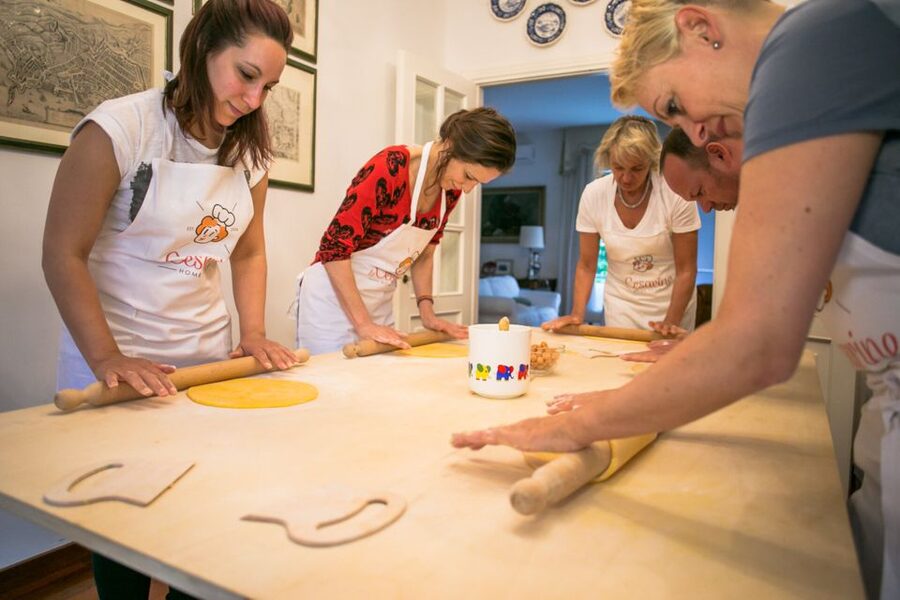
- You roll sfoglia by hand: Learn the traditional technique behind fresh Emilia-Romagna pasta, rather than simply watching someone else cook.
- Two pasta recipes plus tiramisu: You leave with several useful dishes, not just one demonstration recipe.
- The setting is a real home: The class takes place in a local cook’s private residence, which gives the evening a more personal feel than a standard cooking school.
- Food and drinks are part of the evening: Prosecco and nibbles begin the class, followed by your pasta dishes, tiramisu, wine, water, and coffee.
- Hosts add local character: Giacomo is praised for pasta instruction and Italian stories, while Patrizia’s farmhouse setting and family participation have made her classes especially memorable.
- Flexible booking helps: You can cancel up to 24 hours before the class for a full refund and reserve without paying immediately.
Why Emilia-Romagna is the right place to learn pasta
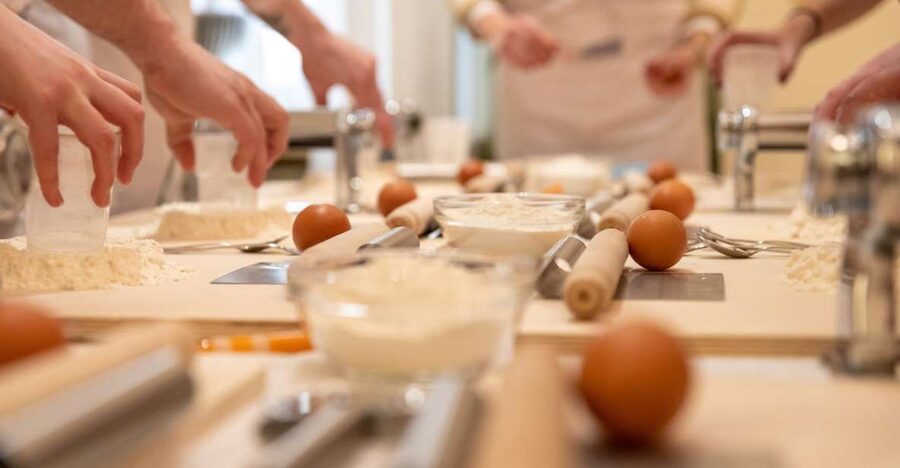
Rimini is best known as a seaside resort, but it sits in Emilia-Romagna, one of Italy’s great food regions. Here, pasta is not just a convenient dinner. It is a craft tied to family kitchens, Sunday meals, and recipes passed from one generation to the next.
That background matters. A class in this region can show you why fresh pasta feels different from dried pasta, how dough should look before it is rolled, and why texture matters as much as sauce. You are not merely collecting a recipe. You are learning a small piece of local food culture.
The class also suits a visitor who wants something beyond sightseeing. Rimini has plenty of cafés and restaurants, but sitting at a local table gives the evening a different pace. You spend time making food, talking with the cook, and then eating what your own hands helped prepare.
More Pasta Making Classes in Italy:
- Florence: Pasta Cooking Class with Unlimited Wine
★ 4.9 · 10,285 reviews - 3 in 1 Cooking Class near Navona: Fettuccine, Ravioli & Tiramisu
★ 5.0 · 7,376 reviews - Florence: Pasta & Tiramisu Cooking Class with Unlimited Wine
★ 4.9 · 6,708 reviews
Arriving at a private home in Rimini
You receive the exact address only after booking. That protects the privacy of the host, but it means you cannot judge the location in advance from the booking page. Send your accommodation neighborhood and your planned transport method when you reserve. The organizers use that information to match you with a suitable home cook and then provide the host’s full details and phone number.
This is one part of the experience that requires a little more planning than a class held at a public cooking school. If you are staying outside central Rimini, ask for clear transport advice as soon as you receive the address. One host has helped participants choose the best way to reach the home, so communication is part of the service.
The reward is a more natural welcome. You are not entering a commercial kitchen designed for a constant stream of classes. You are walking into someone’s home, where the host’s own recipes, kitchen style, and family personality shape the evening.
That also means every class can feel a little different. One host may offer a farmhouse setting, another may include family members, and another may add a local specialty such as piadina. The exact atmosphere depends on the cook you are matched with.
Starting with prosecco, nibbles, and introductions
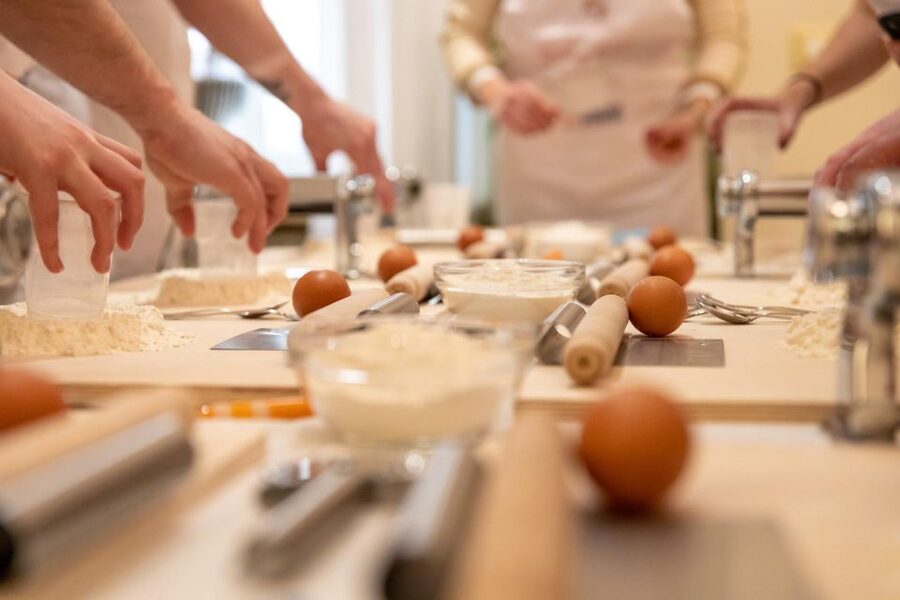
The evening begins with an Italian aperitivo: prosecco and small bites. This is more than a welcome drink. It gives you time to meet the host and the other people in the class before everyone starts measuring flour and cracking eggs.
A shared class works especially well for couples, families, friends, or solo visitors who enjoy meeting people over food. You are encouraged to talk about cooking and Italian cuisine while working. The social side is important here, since the experience is designed around a shared table rather than a private lesson with a chef.
Do not expect a formal restaurant-style introduction with a printed schedule and a timed demonstration. The charm is in the host’s own way of teaching. Patrizia has been praised for clear instruction and a warm welcome. Tatiana has even decorated her home for a birthday class, showing how hosts may respond to special occasions when they receive the information in advance.
If you are booking for a birthday or anniversary, mention it during the reservation process. The experience does not promise decorations or special arrangements, but a host may be able to add a personal touch.
Rolling sfoglia by hand
The pasta lesson is the heart of the class. You learn to roll sfoglia, the thin sheet of fresh pasta made by hand. This is a useful skill because it teaches you how the dough should feel, how thin to roll it, and how to handle it without tearing.
You also make two different pasta types from scratch. The exact shapes or recipes can vary with the host, so you should not book expecting one fixed menu. The classes have included pasta, ravioli, and other regional preparations. One host has also taught piadina alongside pasta, while another has served the finished pasta with homemade ragù.
That variation is a strength if you like local cooking rather than a rigid cooking-school formula. It is a limitation if you need to know the precise dishes before booking. If you have a particular interest, ask the organizer or host what will be prepared.
The lesson is practical. You watch the host demonstrate, then work with the dough yourself. A good instructor can correct your technique before you carry it through the rest of the recipe. Giacomo, for example, is praised for explaining pasta clearly and for adding stories about Italian food.
You should expect a little mess. Flour on the work surface is part of the process, not a sign that anything has gone wrong. The point is not to produce restaurant-perfect pasta on your first try. It is to understand the method well enough to repeat it at home.
More Tiramisu and Dessert Classes in Italy:
- Rome: Pasta Making Class with Wine, Limoncello, and Dessert
★ 4.9 · 3,177 reviews - Rome: 3-in-1 Fettuccine, Ravioli, and Tiramisu Cooking Class
★ 4.9 · 2,704 reviews - Florence: Cooking Class Pasta & Tiramisu Making Unlimited Wine
★ 5.0 · 2,234 reviews - Fettuccine & Tiramisù: Cooking Class with Wine & Limoncello
★ 4.9 · 2,103 reviews
Making tiramisu as the sweet finish
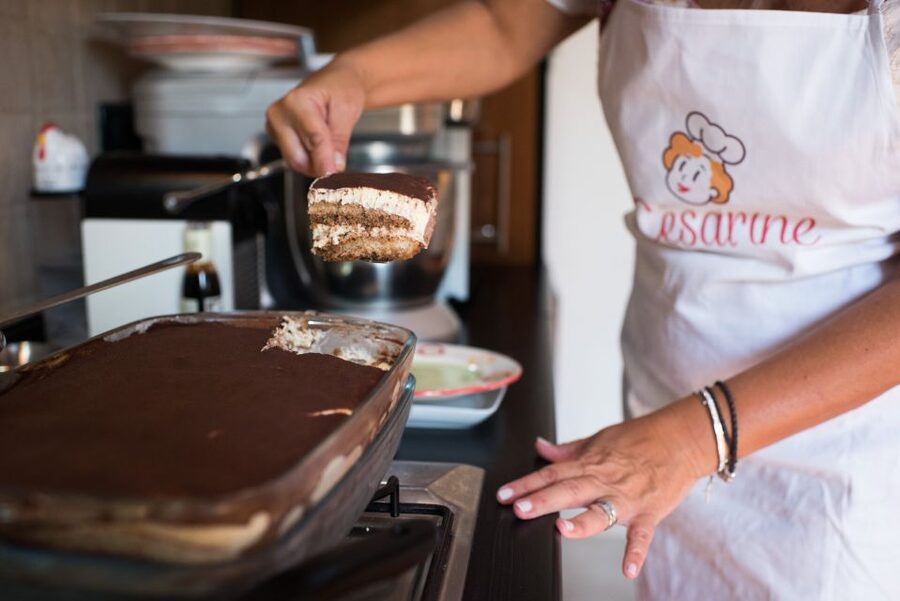
Tiramisu gives the class a change of pace. After working with pasta dough, you shift to a dessert that is simpler in technique but still depends on balance and texture.
The class teaches you how to prepare this Italian classic alongside the pasta dishes. Because the dessert is included in the final meal, you do not simply make it and walk away. You get to taste the result as part of the complete dinner.
Several hosts use older family recipes, which is one reason the dessert can feel more personal than a standard restaurant portion. The class does not promise one universal version, so the exact method may depend on your host. That is useful for home cooks who want to compare regional or family approaches.
If you have food allergies or intolerances, provide the details when you book or email them with your booking reference and name. The organizers ask for this information so they can match you appropriately, but you should still explain your needs clearly before the class.
Sitting down to eat what you prepared
After the cooking, you sit down for lunch or dinner featuring the two pasta recipes and tiramisu. Water, local wines, and coffee are included, so the meal feels complete rather than like a sample tasting.
This final table is where the class earns its price. You are not paying only for instruction. You are also receiving a meal, drinks, ingredients, a private-home setting, and several hours with a local cook. Hosts may add appetizers, sauces, olive oils, or family specialties. One class included homemade ragù, local wines, olive oils, and extra appetizers.
The meal can also include the host’s family. Max’s class, for example, has included dinner with Max and his family, creating the feeling of being welcomed into an Italian household. Patrizia’s husband and son Luca have also taken part in the hospitality and meal.
That family element is not guaranteed, and you should not assume every host will be present with relatives. Still, the possibility is central to the experience. You are choosing this class because the human connection matters as much as the food.
The wine service is another reason to plan this for an evening when you do not need to rush elsewhere. The class lasts three hours, but the cooking and meal can feel leisurely. If you have a train, show, or dinner reservation afterward, leave plenty of extra time.
What the $116 price includes
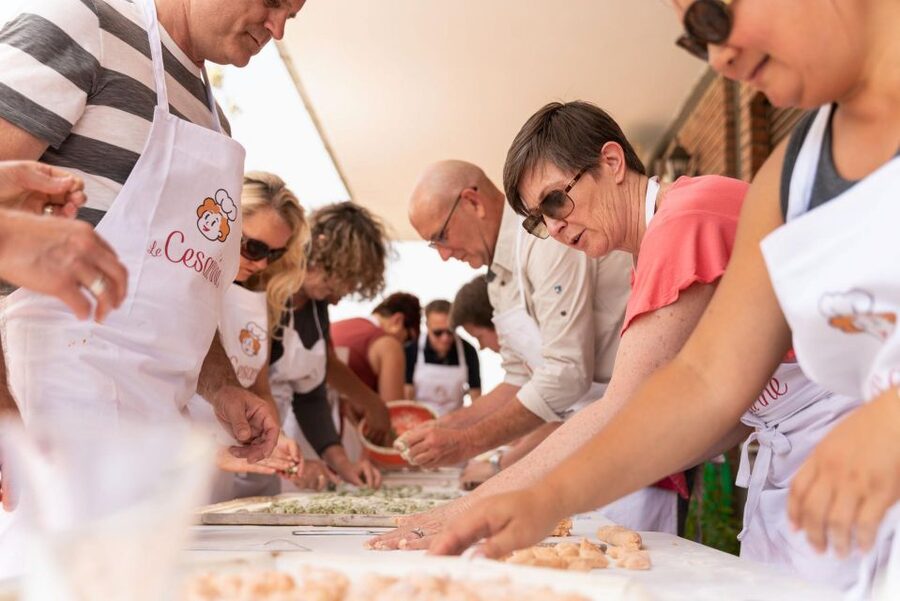
At $116 per person, this is not the cheapest way to eat pasta in Rimini. A restaurant meal will usually cost less, especially if you choose a simple plate of pasta. But a restaurant does not give you three hours of instruction, hands-on preparation, aperitivo, dessert, wine, coffee, and a chance to cook inside a local home.
I see the value most clearly for people who will use the recipes again. If you return home and make fresh pasta for family or friends, the lesson continues to pay off. You also gain practical cooking knowledge that is difficult to get from a short demonstration.
The price makes less sense if you mainly want a quick meal or a polished chef-led show. This is an active class. You should be ready to handle dough, listen to instructions, and share the work with other people.
For a special occasion, the cost may feel easier to justify. Tatiana’s birthday setup and the warm family welcomes reported in other classes suggest that the hosts take personal celebrations seriously when they know about them in advance.
The hosts are the main ingredient
Cesarine is a network of home cooks operating in more than 500 Italian cities. The name refers to a home cook, and the concept is built around local people opening their homes and sharing recipes from family cookbooks.
That network gives the experience its range. You may be matched with a host whose style is relaxed and chatty, or with someone who focuses more closely on technique. Hosts have included Patrizia, Max, Giacomo, and Tatiana, each offering a different version of the same basic idea.
Giacomo is a good match for someone who wants pasta instruction and stories about Italy. Patrizia suits visitors who value patient teaching and a family welcome. A farmhouse setting may appeal to you if you want a quieter location outside the center, while a city home may be easier for transport.
You cannot select the exact host from the basic information provided, so approach the class as a local encounter rather than a fixed performance. Share your food needs, neighborhood, transport plan, and any celebration details early. That gives the organizers useful information when matching you.
Practical limits to consider before booking
The private-home format is appealing, but it is not ideal for everyone. You need to be comfortable entering an unfamiliar home and sharing a kitchen and table with people you have just met.
The class is not suitable for wheelchair users. If you have mobility concerns that are not covered by that statement, ask about the specific home after receiving the address. Different private homes may have different layouts.
The class is offered in Italian and English. If you need highly technical instruction, confirm that your host can explain the methods at the level you need. The experience is designed for a broad audience, so it should work well for most curious cooks, but the exact teaching style can vary.
Food allergies and intolerances must be shared before the class. Do not wait until you arrive. The organizers specifically request these details during booking or by email.
The home address arrives only after you book. That is sensible for privacy, but it makes the experience less predictable than a class at a known venue. Keep your schedule flexible and avoid booking a tight connection afterward.
Free cancellation is available up to 24 hours before the start time, and you can reserve now without paying immediately. Those terms help if your Rimini plans are still shifting.
Who should book this experience
I would choose this class if you want to meet a local cook, learn a skill, and eat a proper meal in one evening. It is especially well suited to:
- Couples seeking a relaxed date-night activity
- Families who enjoy cooking together
- Friends who want a social food experience
- Solo visitors who like meeting people around a shared table
- Home cooks who want to learn handmade pasta
- Visitors celebrating a birthday or another personal occasion
I would think twice if you dislike group activities, have limited mobility, need a fully predictable venue, or want a quick and inexpensive meal. The private-home setting is the reason to book, but it also means you accept a little uncertainty about the host, location, and menu.
Should you book the Rimini pasta and tiramisu class?
Yes, if your idea of Italian food is tied to people and place, not just a good plate of pasta. The strongest features are the hand-rolled sfoglia lesson, the chance to make two pasta dishes, and the meal shared with a host who may include family recipes, local wine, and personal stories.
The $116 price is fair when you count the food, drinks, instruction, and three-hour home visit. It is not the right choice for a budget meal or a carefully scripted demonstration. Send your dietary needs and transport details early, keep your evening open, and treat the unknown host as part of the adventure.
For many visitors to Rimini, this could be the meal they remember after the beach and the sightseeing have faded.
FAQ
How long does the Rimini cooking class last?
The class lasts three hours. Starting times vary, so check availability when booking.
What food will I learn to make?
You will learn to prepare two types of fresh pasta and tiramisu. The exact pasta recipes may vary according to the local home cook.
Is food and drink included?
Yes. The experience includes an Italian aperitivo with prosecco and nibbles, the two pasta dishes, tiramisu, water, wine, and coffee.
Where does the class take place?
The class takes place in a local cook’s private home in the Rimini area. For privacy, the full address and host details are sent after booking.
Which languages are available?
The experience is offered in Italian and English.
Can I share food allergies or intolerances?
Yes. Provide your allergies or intolerances when booking, or email the information with your booking reference and name.
Is the class accessible for wheelchair users?
No. The experience is not suitable for wheelchair users.
Just added around Italy
- Cooking Class in a Sicilian countryhouse★ 5.0 · 5 reviews
- Cesarine: Home Cooking Class & Meal with a Local in Catania★ 4.5 · 10 reviews
- Cesarine: Market Tour & Home Cooking Class in Catania★ 4.0 · 6 reviews
- Cooking Class in Taormina with Lunch Included★ 5.0 · 2 reviews
- Cooking Class and Wine Pairing in Capri★ 5.0 · 57 reviews
- Cooking class in Capri for small groups★ 4.0 · 4 reviews
- Private Cooking Class Experience in Reggio Calabria★ 5.0 · 5 reviews
- Lezione di Cucina : Pasta Fresca★ 5.0 · 12 reviews
Pasta Making Classes, compared.


3 in 1 Cooking Class near Navona: Fettuccine, Ravioli & Tiramisu
Read our review →
Pasta & Tiramisu Cooking Class with Unlimited Wine
Read our review →
Pasta Making Class with Wine, Limoncello, and Dessert
Read our review →
Rome Cooking Class: Make Pasta and 3 Spritz Cocktails
Read our review →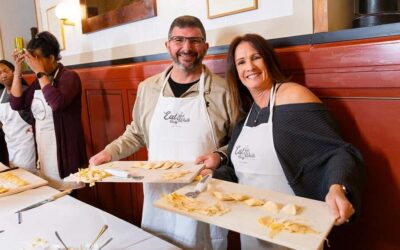
3-in-1 Fettuccine, Ravioli, and Tiramisu Cooking Class
Read our review →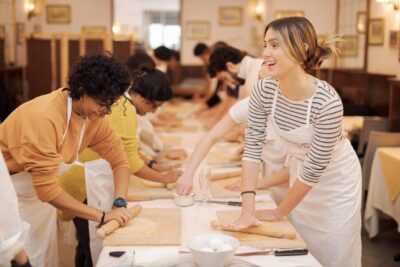
Fettuccine Pasta Cooking Class in Rome’s City Center
Read our review →Lists this class appears in