
REVIEW · CAMPANIA, ITALY
Pasta Cooking Class in a Garden near Pompeii
Family recipes taste better here. This three-hour cooking class near Pompeii takes you from a small garden to a home kitchen, where Sabrina teaches handmade pasta, bruschetta, and a Campania dessert. I especially like the use of homegrown vegetables and herbs, along with the small-group setting that lets you work with the dough instead of merely watching. The main thing to consider is that the class requires at least two participants, and transportation is not included.
I also like how close the experience is to Pompeii’s ruins and sanctuary. After a morning among ancient streets, this gives you a very different view of the area: a family home, Sunday-style pasta, Gragnano wine, and recipes passed from mother to daughter. The three-hour format feels generous, though you may wish it lasted longer if you enjoy cooking and conversation.
What makes this class special
- A garden-to-table start: You begin among the family’s vegetables and herbs before using local produce in the meal.
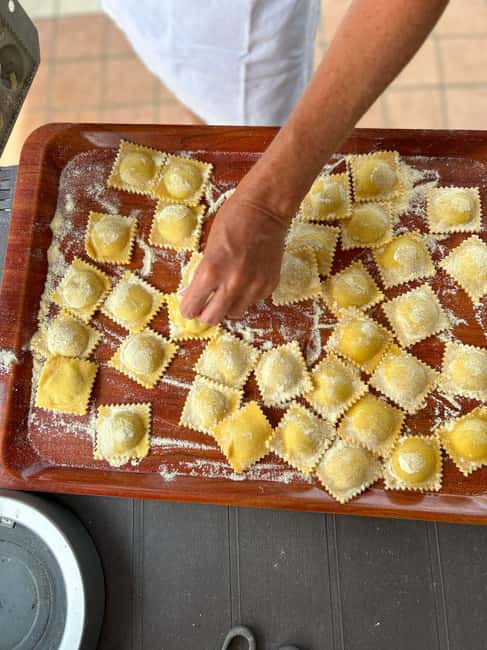
- Ravioli made from scratch: Sabrina guides you through flour, eggs, dough, rolling, filling, and cooking.
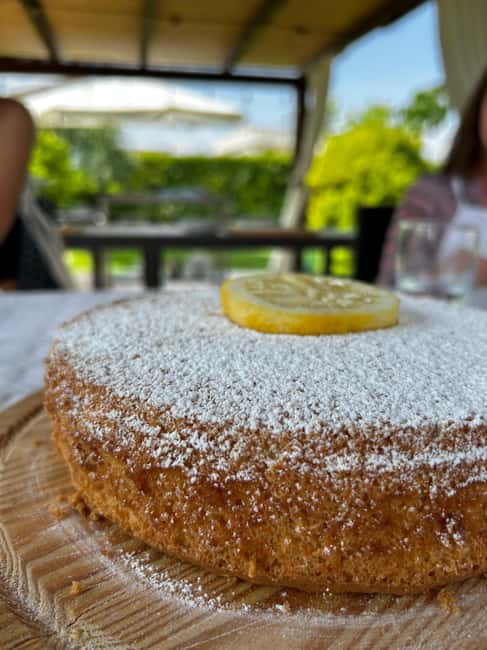
- A traditional lemon dessert: The homemade lemon caprese cake brings a distinctly Campanian finish to the meal.
- A personal family setting: Sabrina and Rosalba welcome you into their home rather than teaching in a formal cooking school.
- Small groups up to 10: The limited size gives you a real chance to take part at the worktable.
- Pompeii location: The class is only a few minutes from the archaeological ruins and sanctuary, making it easy to pair with sightseeing.
From Pompeii’s ruins to a family garden
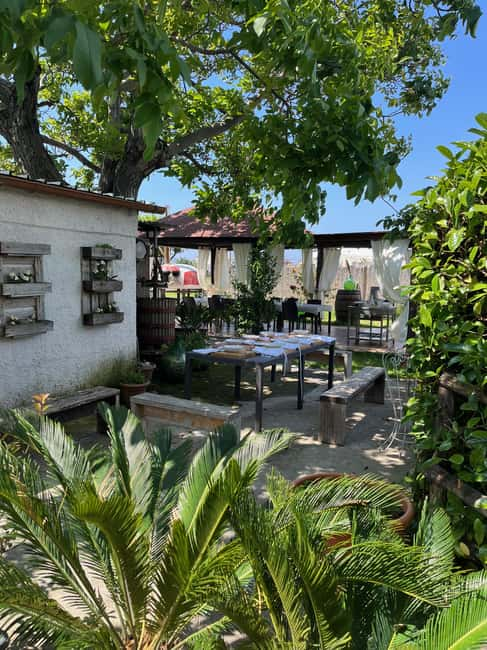
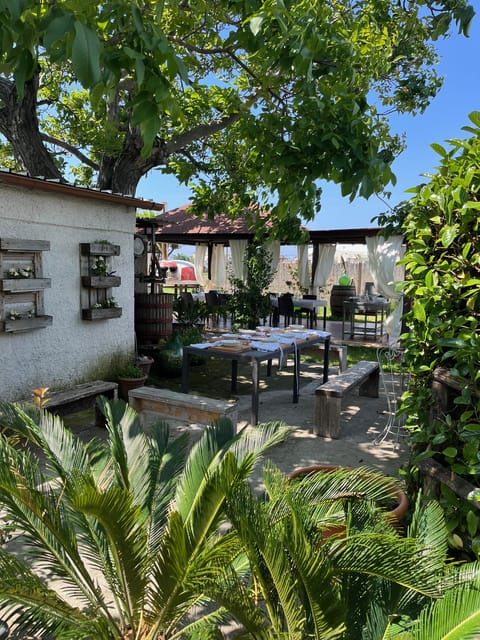
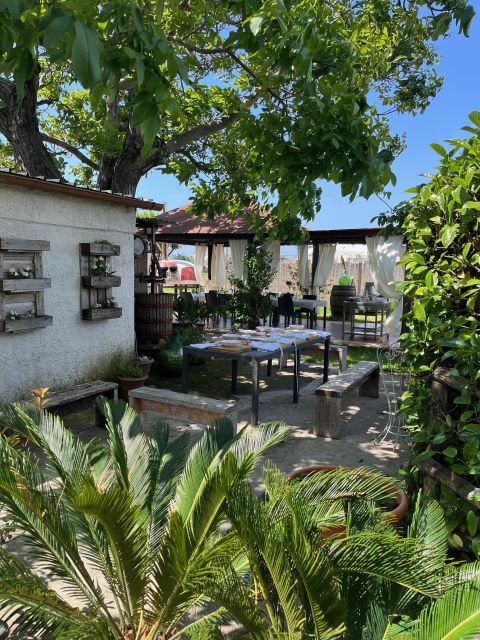
The experience begins at Giardini Balestrieri 132. Look for a sign marked Balestrieri Gardens at the meeting point. The setting is only a few minutes from the Pompeii ruins and sanctuary, so this class works well as part of a day devoted to the town.
You will not begin with a long lecture or a polished restaurant demonstration. Instead, Sabrina starts in the garden and shows you what is growing there. Seasonal vegetables and herbs become part of the meal, giving you a direct connection between the soil, the kitchen, and the plate.
That first stop matters. Campania cooking often depends on good basic ingredients rather than elaborate technique. Seeing the produce before you cook helps explain why the dishes are simple. It also gives you a clearer sense of local food traditions than a class held in a generic studio kitchen.
The garden is also part of the social experience. You are entering a family setting, not just buying instruction. The tone is informal and welcoming, which suits you if you enjoy conversation and the feeling of being included in ordinary home life.
The tradeoff is that a home garden is not a purpose-built attraction. You should expect a personal, lived-in setting rather than a highly staged culinary venue. That is part of the appeal, but it may not suit you if you prefer a sleek professional kitchen or a tightly timed demonstration.
More Pasta Making Classes in Italy:
- Florence: Pasta Cooking Class with Unlimited Wine
★ 4.9 · 10,285 reviews - 3 in 1 Cooking Class near Navona: Fettuccine, Ravioli & Tiramisu
★ 5.0 · 7,376 reviews - Florence: Pasta & Tiramisu Cooking Class with Unlimited Wine
★ 4.9 · 6,708 reviews
Sabrina’s kitchen and the family welcome
After the garden visit, you move indoors to Sabrina’s kitchen. She teaches the recipes passed down from her mother and grandmother, including the small practical details that are hard to learn from a cookbook.
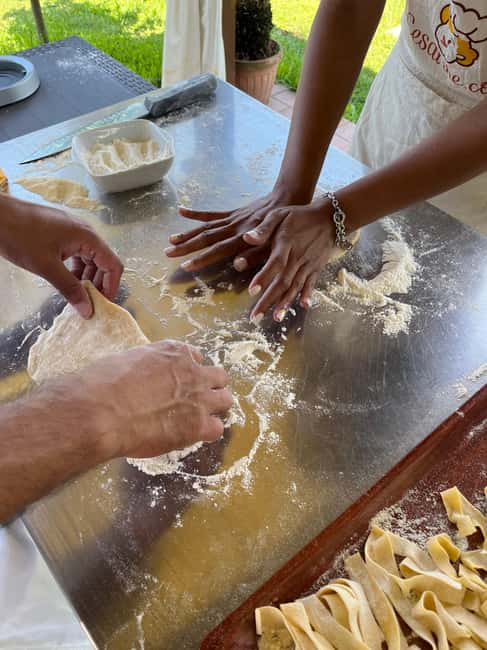
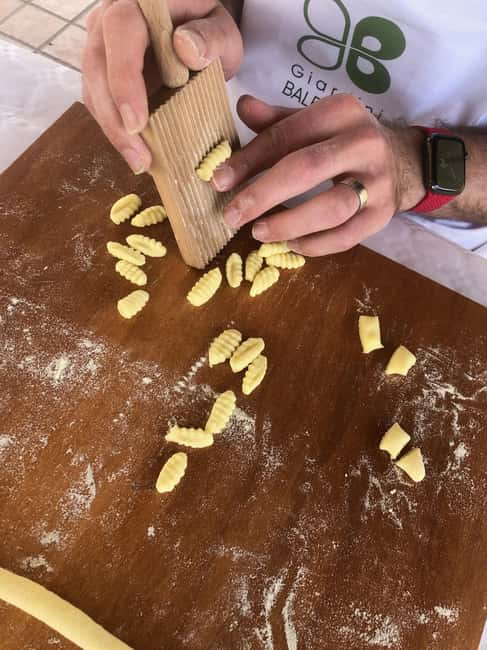
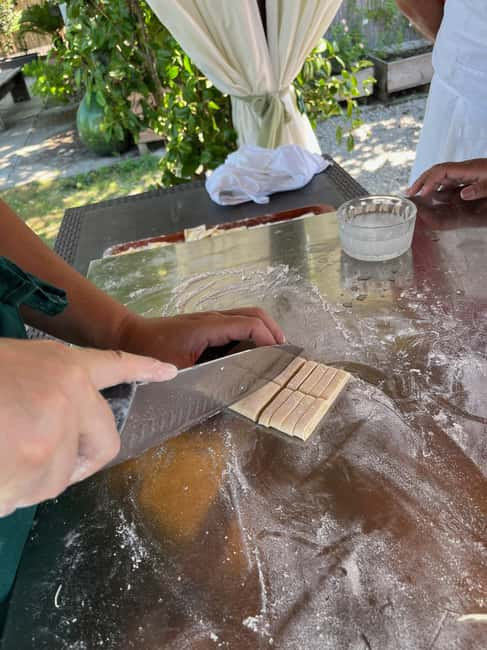
The focus is handmade pasta. You work with a short list of basic ingredients: flour, eggs, and patience. Sabrina shows you how the dough should feel when it is ready, how to roll it out, and how to shape the pasta. That attention to texture is one of the most useful parts of the class. Measurements can get you started, but your hands tell you when dough needs more work.
The pasta often takes the form of ravioli. You get to participate in the process from the beginning rather than simply watching someone else produce a finished dish. Sabrina demonstrates first, then guides the group as you try the technique yourself.
That makes this a good choice if you want to take a skill home. You are not only tasting pasta in Pompeii. You are learning a method you can repeat in your own kitchen. One practical point is that the class is taught in English, so English-speaking participants can follow the instruction directly.
Sabrina’s teaching style is another major strength. She has been described as patient, warm, and good at making sure everyone takes part. She also adjusts ingredients and the menu according to the season and climate. That flexibility is useful because it reflects how Italian home cooking actually works. The recipe is a guide, not a rigid laboratory formula.
Rosalba may also be involved in the class, adding to the sense that this is a family activity rather than a one-person performance. The welcome is clearly central to the experience. You are encouraged to sit, cook, talk, and eat as part of the household.
A cat named Gary has also become part of the memory for at least one family with a child. If you are bringing children, that small detail may add to the relaxed home atmosphere, though the class is primarily about cooking rather than a dedicated children’s program.
Making ravioli with flour, eggs, and patience
The pasta portion is the heart of the afternoon. Sabrina shows you how to combine flour and eggs, then how to judge the dough by touch. That may sound simple, but it is the sort of lesson that makes handmade pasta less intimidating.
You will roll the dough, prepare the filling, form the ravioli, and cook the pasta you have made. Exact fillings are not specified in advance, and the menu may change with the season. This is worth keeping in mind if you have a particular dietary preference or a firm idea of what you want to make.
The small group size helps here. With no more than 10 participants, you should have time to handle the dough and ask questions. Some sessions are even much smaller. One couple described a class attended only by themselves and Sabrina’s friend, while another family appreciated being able to participate in the whole ravioli process.
The class is not designed to turn you into a professional pasta maker in three hours. You will not leave with a formal qualification or a long course manual. What you do get is a practical introduction to the feel of pasta dough, the rhythm of shaping ravioli, and the confidence to try again at home.
I would wear comfortable clothes and avoid anything you would worry about near flour, eggs, or sauce. An apron is part of the spirit of the class, and the welcome specifically invites you to put one on. The mood is hands-on, so this is not the time to sit back and keep your hands clean.
Bruschetta, seasonal vegetables, and lemon caprese cake
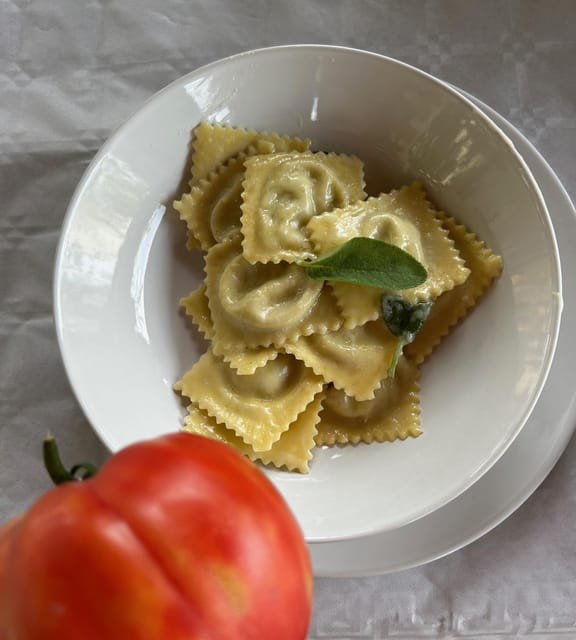
The menu gives the pasta company. It includes bruschetta with seasonal vegetables, fresh pasta, a homemade dessert, water, and Gragnano wine.
The bruschetta offers an easy introduction to the garden produce. It is a simple dish, but that simplicity lets the vegetables and herbs do the work. Because the ingredients come from the garden when available, the toppings can change with the season. This is one reason the menu may not match a fixed restaurant-style description.
The dessert is a lemon caprese cake, a Campania specialty made with almonds and chocolate. The class description identifies it as a typical Campania dessert, and participants have specifically prepared the lemon version during the lesson. You learn how to make it rather than simply receiving a slice at the end.
That dessert adds welcome variety to the pasta lesson. You are learning both a savory dish and a regional sweet, so the class covers more than one corner of local cooking. It also gives you another recipe to recreate at home.
The meal is served with Gragnano wine. Gragnano is a town near Naples known for pasta production, and its name is closely tied to Campania’s food culture. Here, the wine gives the meal a local touch without making the class feel formal.
Water is included as well. Gratuities are not included, so bring that cost into your planning if the hosts provide the friendly, personal service this experience is known for.
A few more cooking classes around Italy worth a look
- Cooking Class and Lunch at a Tuscan Farmhouse with Local Market Tour from Florence
★ 5.0 · 4,831 reviews - Rome Cooking Class: Make Pasta and 3 Spritz Cocktails
★ 5.0 · 2,937 reviews - Rome: 3-in-1 Fettuccine, Ravioli, and Tiramisu Cooking Class
★ 4.9 · 2,704 reviews - Rome: Fettuccine Pasta Cooking Class in Rome’s City Center
★ 4.8 · 2,414 reviews
Why the family setting matters
The best reason to choose this class is not the number of recipes. It is the access to a family rhythm that you would not get from a standard restaurant meal.
Sabrina welcomes you into her home and shares recipes taught through generations. The class description frames the experience around family life, and that idea comes through in the way the afternoon is structured: garden, kitchen, cooking, meal, conversation.
This gives you a more personal connection to Pompeii. The ancient city tells you about Roman life, but this class shows you a present-day household in the same area. You see what is grown, how pasta is made, and how food brings people together now.
The setting also makes the experience feel especially suitable for couples, families, and small groups of friends. A mother and her 12-year-old daughter enjoyed making pasta together, and the relaxed setting helped the child take part. Another participant attended with a boyfriend and called the class a favorite part of the holiday.
Still, you should choose this only if you like social experiences. The class is built around shared work and conversation. If you want to cook alone at your own pace, or if you prefer a quiet meal with minimal interaction, this may feel too personal.
Timing, group size, and transport
The class lasts three hours. That gives you enough time for the garden introduction, the cooking lesson, and the meal, but several parts of the experience can run together naturally. If you enjoy talking over food, the afternoon may feel short.
The maximum group size is 10, and the minimum booking is two people. The small size is important because pasta making works best when everyone gets a turn. Larger groups can make hands-on cooking feel like a demonstration, but the limit here should keep the work more active.
The instructor speaks English. The available information identifies English as the class language, so English-speaking participants can expect instruction in English.
A transfer can be requested, but it is not included. Ask for transfer information before booking if you need help reaching the garden. Otherwise, plan your route carefully around the meeting point and look for the Balestrieri Gardens sign when you arrive.
The location near Pompeii makes the class easy to combine with the ruins and sanctuary. I would avoid cramming the class into a day with too many other timed activities. The cooking, eating, and conversation are the point, and rushing away would cut against the relaxed pace.
Is the $94 price good value?
At $94 per person, this is not the cheapest meal in Pompeii. It is also more than a basic pasta demonstration. The price includes a three-hour experience, instruction in English, the garden visit, hands-on pasta making, bruschetta, dessert, water, and Gragnano wine.
I think the price makes sense if you value personal contact and active participation. You are paying for access to Sabrina’s home, family recipes, local ingredients, and guidance at the worktable. You also receive a full meal rather than a small tasting.
The value is less convincing if you mainly want to eat inexpensive pasta or watch a quick cooking show. In that case, a restaurant would cost less and require less time. This class earns its price through the teaching and hospitality.
Remember to budget separately for gratuities and possible transportation. Free cancellation is available up to 24 hours before the experience for a full refund, and you can reserve now and pay later, which gives you some flexibility while arranging a Pompeii itinerary.
Who should book this Pompeii cooking class?
I would recommend it to you if you fit one or more of these descriptions:
- You want a hands-on activity after visiting Pompeii.
- You enjoy learning recipes that you can repeat at home.
- You prefer small groups to large culinary demonstrations.
- You like meeting local people in a home setting.
- You are traveling with a partner, friend, or older child.
- You care more about warmth and personal contact than polished presentation.
Families should note that a 12-year-old enjoyed the experience, but the activity is not advertised as a children’s class. Young participants will need to take part in a kitchen environment and follow the instructor’s guidance.
Food lovers will get the most from it, especially if you enjoy pasta, regional desserts, and garden produce. You do not need to be an experienced cook. One participant arrived with little confidence and left feeling much more capable.
Should you book it?
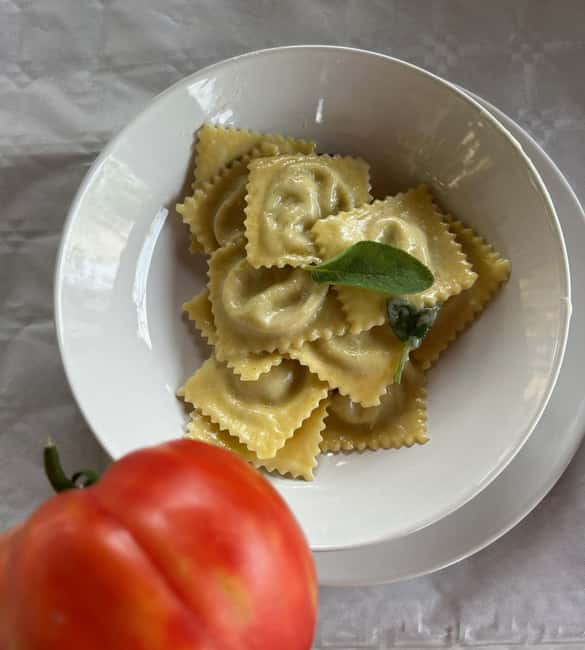
Book this class if you want to connect Pompeii with present-day Campania. The ruins give you ancient stones and stories; Sabrina’s garden and kitchen give you flour on your hands, family recipes, ravioli, lemon cake, and a seat at the table.
I would skip it only if you dislike group cooking, need a fully fixed menu, or want a short activity with no meal afterward. For most people who enjoy food and friendly company, the combination of a small group, homegrown ingredients, and patient instruction offers strong value at $94.
For the best fit, reserve for at least two people, ask about transfer options if needed, and leave enough room in your schedule for the class to unfold at its own pace.
FAQ
Where does the pasta cooking class take place?
The class takes place at Giardini Balestrieri 132 in Pompeii, in a family garden and home kitchen. Look for a sign that says Balestrieri Gardens.
How long does the experience last?
The cooking class lasts three hours.
How much does the experience cost?
The listed price is $94 per person.
What food is included?
The menu includes bruschetta with seasonal vegetables, fresh pasta, a homemade dessert, water, and Gragnano wine.
Will I make pasta from scratch?
Yes. Sabrina teaches you to make handmade pasta using flour and eggs, including the process of working with the dough and preparing ravioli.
What dessert will I learn to make?
The class includes a typical Campania dessert. The specific dessert described is lemon caprese cake.
Is the class taught in English?
Yes. English is the listed language for the instructor and experience.
How many people can join the class?
The experience is limited to 10 participants and requires a minimum of two people.
Is transportation included?
No. Transfer is not included, but you can request information about arranging one. Gratuities are also not included.
Just added around Italy
- Cooking Class in a Sicilian countryhouse★ 5.0 · 5 reviews
- Cesarine: Home Cooking Class & Meal with a Local in Catania★ 4.5 · 10 reviews
- Cesarine: Market Tour & Home Cooking Class in Catania★ 4.0 · 6 reviews
- Cooking Class in Taormina with Lunch Included★ 5.0 · 2 reviews
- Cooking Class and Wine Pairing in Capri★ 5.0 · 57 reviews
- Cooking class in Capri for small groups★ 4.0 · 4 reviews
- Private Cooking Class Experience in Reggio Calabria★ 5.0 · 5 reviews
- Lezione di Cucina : Pasta Fresca★ 5.0 · 12 reviews
Pasta Making Classes, compared.


3 in 1 Cooking Class near Navona: Fettuccine, Ravioli & Tiramisu
Read our review →
Pasta & Tiramisu Cooking Class with Unlimited Wine
Read our review →
Pasta Making Class with Wine, Limoncello, and Dessert
Read our review →
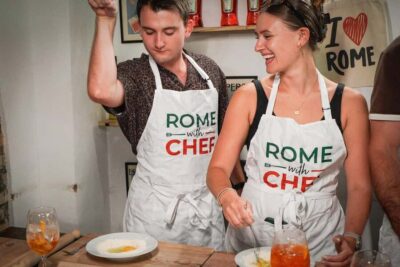
Rome Cooking Class: Make Pasta and 3 Spritz Cocktails
Read our review →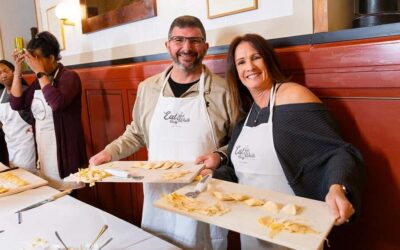
3-in-1 Fettuccine, Ravioli, and Tiramisu Cooking Class
Read our review →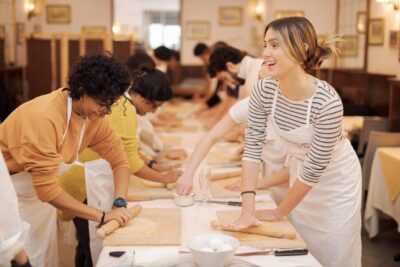
Fettuccine Pasta Cooking Class in Rome’s City Center
Read our review →Lists this class appears in