REVIEW · SOUTH AEGEAN, GREECE
Paros: Greek Cooking Class with Meal and Wine
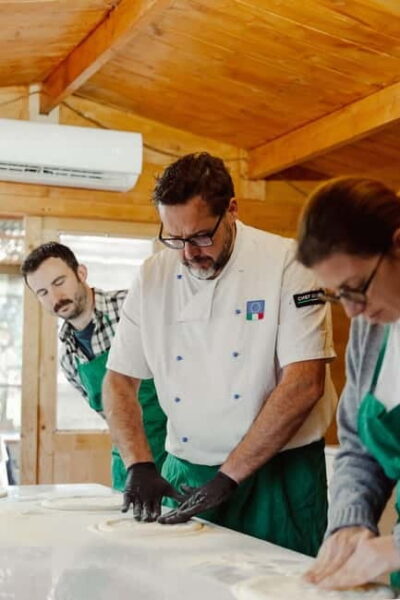
Come hungry, leave with Greek recipes. This four-hour class at Parea Cuisine Paros combines hands-on cooking with olive oil, cheese, local wine, and stories about island food traditions. I like the strong local connection, with ingredients tied to Paros farms, and the warm teaching from Iro and George, who have taught at a public culinary school for chefs. The main consideration is the $160 price, which is high for a cooking class, though it includes a full meal, tastings, wine, dessert, and a personal setting.
I also like that you are not simply watching a chef work. You help prepare dishes such as tzatziki, keftedakia, Greek salad, moussaka, stuffed vegetables, or fresh fish, depending on the season and selection. The class is aimed at people aged 14 and older, requires at least two participants, and is available by appointment with 24 hours’ notice.
Key points to know before booking
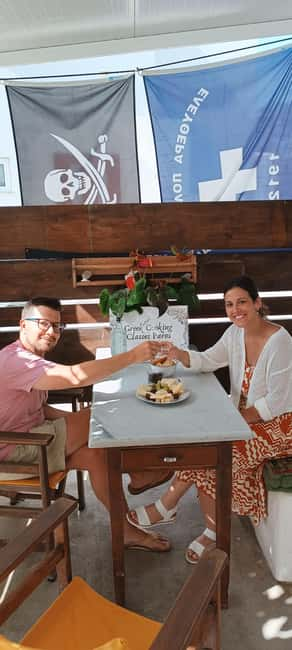
- A four-hour meal as well as a cooking lesson: You prepare several Greek dishes, then sit down to eat them with dessert and homemade wine.
- Hosted by Iro and George: Their background includes teaching at a public culinary school for chefs and running Parea Cuisine Paros.
- Local food is the point: The class includes island cheese, olives, olive oil, souma, seasonal produce, and wine connected to the family farm.
- Expect generous portions: Several people specifically advise skipping breakfast so you have room for the meal.
- Choose your main dish with the season: Options can include moussaka, pasticcio, stuffed vegetables, or fresh fish of the day.
- Plan your own way to Parea Cuisine: Transportation to the meeting point is not included.
Why this Paros cooking class is more than a recipe lesson
Greek food is easy to find in Paros. What is harder to find is a meal that explains where the ingredients come from and why certain techniques matter.
That is the appeal here. You are not just learning how to assemble a Greek salad or stir together tzatziki. Iro brings in food culture, farming, nutrition, and the logic behind Mediterranean cooking. Her teaching also includes practical kitchen skills, such as knife work and preparation methods.
The class takes place at Parea Cuisine Paros, the hosts’ traditional restaurant, and the setting can feel personal and family-run. Several participants describe being welcomed into the family home and kitchen. That makes this different from a large demonstration class, though it also means you should be comfortable with a more intimate setup rather than a polished cooking studio.
I like the focus on Paros itself. The food is not presented as a generic collection of Greek classics. You hear about island farmers, local production, homemade olive oil, and the role of seasonal ingredients. For you, that makes the meal easier to remember and the recipes more useful once you get home.
More Cooking Classes with Wine Tasting in Greece
- Athens: Classic Cooking Class with Market Visit and Wine
★ 5.0 · 1,101 reviews - Athens: Food Market Visit and Cooking Class with Wine
★ 4.9 · 1,087 reviews - Greek Cuisine Cooking Class in Santorini with Recipes and Wine
★ 5.0 · 969 reviews
Starting with olive oil, cheese, olives, and souma
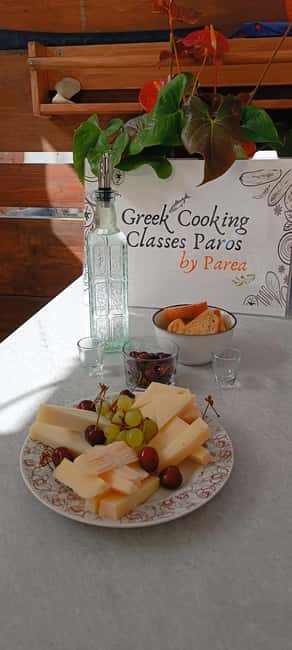
The class begins with a tasting rather than a cutting board. You sample Greek olive oil alongside local cheeses, homemade olives, and souma, a strong local spirit made by a Paros distillery.
This opening matters because it gives you a quick introduction to the island’s everyday flavors. The cheese platter features several local types produced by a group of island farmers. It is not just a snack before the lesson. I would pay attention to how each cheese tastes and how Iro pairs it with bread, olives, or oil.
The olive oil tasting is especially useful for anyone who buys Greek olive oil at home. You can compare flavors before using the oil in the meal and learn why quality matters in dishes with few ingredients. The homemade olives offer another reminder that Greek cooking often depends on careful preservation rather than complicated sauces.
Souma is a local touch that you are unlikely to encounter in a standard tourist cooking class. It is a distilled drink, so take the tasting at your own pace. Wine is served throughout the meal, but souma is part of the opening introduction to Paros food and drink.
Preparing tzatziki, keftedakia, and Greek salad
The appetizer section gives you the most familiar dishes, but it is also where technique becomes clear.
Tzatziki looks simple, yet the balance of yogurt, cucumber, garlic, and seasoning can make or break it. You learn how Greek cooks handle fresh ingredients without burying them under heavy seasoning. The lesson is practical and easy to repeat at home.
Keftedakia, or Greek meatballs, add a heartier element. You get a chance to work with seasoning and texture before the main course. Depending on the class plan, you may also prepare zucchini balls or another traditional appetizer. One participant described making zucchini balls along with moussaka, salad, tzatziki, and dessert.
Greek salad may be familiar from restaurant menus, but it has a different meaning when the produce is local and seasonal. I like that the class connects salad to Paros farming rather than treating it as a side dish you can assemble without thought. You learn how the ingredients work together, and you also get a better sense of why freshness matters so much in Greek cooking.
The class is hands-on, but the exact amount of work each person does can depend on the group. Since the minimum is two participants and the class is described as suitable for small groups, you should expect a personal format. Larger groups can be arranged by request, but confirm that ahead of time.
Choosing the main course from seasonal Greek dishes
The central cooking session focuses on one traditional Greek meal. The available choices include fresh seasonal stuffed vegetables, moussaka, pasticcio, or traditionally cooked fish of the day.
Stuffed vegetables may include tomatoes, peppers, zucchini, or aubergine. This is a particularly good choice if you want to understand how Greek cooking uses vegetables as the main event. The seasonal approach also means the menu can change, so do not book expecting one fixed recipe.
Moussaka is the familiar comfort-food option, with layered ingredients and a longer preparation process. It gives you a useful lesson in building flavor and handling several components. Pasticcio offers a similar baked-dish experience with pasta, making it a good choice for anyone who prefers a filling, oven-cooked meal.
Fresh fish of the day is the most dependent on availability. If you choose it, the dish reflects what is available rather than following a fixed menu. That is part of the value, but it also means the experience is less predictable than a class built around one published recipe.
I appreciate that the meal is not reduced to quick tourist food. You spend time preparing a real lunch or dinner, and the final dish is served as part of a multi-course meal. The tradeoff is that four hours can feel long if you want only a short lesson and a quick bite. You should book this when the cooking and conversation are part of your day’s plan, not when you are squeezing in food between ferry connections.
More Greek Cooking Classes in Greece:
- Greek Cooking Class in Athens Including Rooftop Dinner with Acropolis View
★ 5.0 · 826 reviews - Greek Small-Group Athens Cooking Class & Dinner
★ 5.0 · 574 reviews - Athens: Greek Cooking Class & Dinner on a Rooftop
★ 5.0 · 383 reviews - Athens: Greek Cuisine Cooking Class and 3-Course Dinner
★ 4.8 · 270 reviews
Dessert and wine finish the Paros table
Dessert is either Greek halva or baklava. Both are traditional choices, but they offer different finishes: halva is usually simpler and more crumbly, while baklava brings pastry, nuts, and syrup.
The meal also includes homemade local wine. It is served as you eat the food you helped prepare, which gives the class a natural rhythm. You taste, cook, sit down, and talk rather than rushing from one station to another.
The wine is part of the price, but it also adds a family connection. The wine is described as coming from the hosts’ family farm. That makes it more personal than simply opening a commercial bottle, though anyone who does not drink alcohol should ask the host what nonalcoholic options are available. The supplied information does not confirm alternatives.
Plan your appetite carefully. The portions are repeatedly described as generous, and the menu can include appetizers, a main dish, salad, dessert, cheese, bread, olives, and drinks. I would eat lightly beforehand and bring storage containers only if the hosts allow them. There may be more food than you can finish.
What makes Iro and George effective hosts
The people leading this class are a major part of its value. Iro is repeatedly praised for her warmth, food knowledge, humor, and ability to make newcomers feel at home. George also helps host the class, and their combined restaurant and teaching background gives the session a steady foundation.
Iro’s approach goes beyond instructions. She explains the Mediterranean diet, the health role of different foods, Greek culinary traditions, and the importance of supporting Paros farmers. That context is useful because you leave with an understanding of how the dishes fit into daily life, not just a list of ingredients.
The class also appears suitable for mixed cooking abilities. You do not need to arrive as an expert. The emphasis is on participation, explanation, and sharing a meal. A participant whose wife felt unwell during the class said Iro was accommodating, which suggests a caring approach, though you should still share medical or dietary needs in advance.
Inform the hosts about allergies at least 24 hours before the class. That notice is important because the menu includes dairy, gluten, meat, vegetables, nuts, and alcohol across the possible dishes. The available information does not promise that every dietary restriction can be handled, so ask before booking if your needs are serious or complex.
Is $160 a fair price for four hours?
At $160 per person, this is not a budget meal or a quick market lesson. It is closer to a hosted food experience with instruction, tastings, and a full restaurant-style meal.
The price includes the cooking class, olive oil tasting, cheese platter, local olives, souma, appetizers, a traditional main dish, dessert, and homemade wine. It also covers the personal attention of instructors who have taught future chefs and run a traditional restaurant.
I think the value is strongest if you care about local food, personal teaching, and a meal that lasts several hours. You are paying for far more than ingredients. You are paying for access to family recipes, explanations of Paros farming, hands-on preparation, and the chance to eat what you made.
The value is weaker if you mainly want a low-cost lunch or have already taken several Greek cooking classes. It is also less appealing if you do not drink, dislike group cooking, or prefer a short activity. Transportation is not included, so add the cost and time of reaching Parea Cuisine to your plan.
The high rating and full set of available reviews point to a consistently warm experience, but no cooking class can guarantee that every menu choice will suit every person. Ask about the day’s planned dishes, group size, and dietary needs before paying.
Who should book this experience?
I would recommend it most strongly to couples, food-focused friends, and solo visitors who enjoy meeting people around a table. It also suits anyone who wants a break from sightseeing and would rather understand Paros through its ingredients and family food traditions.
You will get the most from it if you are willing to participate. This is not a show where you sit back while someone else does all the work. You may chop, mix, shape, taste, and help prepare several courses.
It is not suitable for children under 14 or wheelchair users. The class requires at least two participants, and appointments need a minimum of 24 hours’ notice. English and Greek are spoken.
If you have a packed ferry-day schedule, I would choose another activity. Four hours is a real block of time, and the meal may run generously. If you have a free morning or afternoon in Paros, it can become one of the more meaningful food experiences on the island.
Practical details for a smooth visit
Parea Cuisine is the meeting point, and you must arrange your own transportation there. Check the starting time when booking because the class does not list one fixed daily departure.
Book at least 24 hours ahead. The class is by appointment only, and the same 24-hour window applies to allergy information. A minimum of two participants is required, while larger groups can be arranged by request.
You can reserve now and pay later, which helps if you are still arranging your Paros schedule. Free cancellation is available up to 24 hours before the experience for a full refund.
Wear something comfortable for a long cooking session and meal, though specific clothing guidance is not provided. Most of all, leave room in your schedule and your stomach. The repeated advice to skip breakfast is not a joke.
Should you book the Parea Cuisine cooking class?
Book it if you want Greek food with a strong sense of place. The best parts are the local produce, the olive oil and cheese tasting, the family wine, the hands-on recipes, and Iro’s warm, informative teaching.
Skip it if you want a cheap meal, a short demonstration, or a fixed menu with no seasonal changes. At $160, the class asks you to value personal instruction and a generous shared table.
For most food lovers spending time in Paros, I think the combination of cooking, farming stories, local drinks, and family hospitality makes the cost reasonable. Come hungry, tell the hosts about allergies early, and expect to leave with more than a full stomach.
FAQ
Where does the Greek cooking class take place?
The class meets at Parea Cuisine in Paros, Greece.
How long does the experience last?
The cooking class lasts four hours. Starting times vary, so check availability when booking.
What food and drinks are included?
The experience includes an olive oil tasting, a cheese platter, local homemade olives, souma, Greek appetizers, a traditional main meal, dessert, and homemade local wine.
Which Greek dishes might I prepare?
Possible dishes include tzatziki, keftedakia, Greek salad, stuffed tomatoes, peppers, zucchini, or aubergine, moussaka, pasticcio, and fresh fish of the day. The exact main dish can depend on the season and availability.
Is transportation included?
No. Transportation to the meeting point at Parea Cuisine is not included.
Can children join the class?
No. The experience is not suitable for children under 14 years old.
How far in advance should I book and share allergy information?
Classes are by appointment only and require at least 24 hours’ notice. You should also inform the hosts about allergies 24 hours before the class.
Just added around Greece
- Authentic and Traditional Cooking Class in Chania Crete★ 5.0 · 5 reviews
- Private Cooking Class – A Culinary Journey in Argostoli★ 5.0 · 2 reviews
- Chania Cooking Class in Crete with rustic, delicious and homely Cretan food!★ 4.5 · 14 reviews
- Private Greek Cooking Class in Athens-Learn to Cook with Angelina★ 5.0 · 3 reviews
- Cook with Katerina: Authentic Greek Home Cooking Class in Athens★ 5.0 · 15 reviews
- Private Walking Meze Cooking Course★ 5.0 · 6 reviews
- Cooking Class in Athens: Learn the Art of Phyllo with Christina★ 5.0 · 24 reviews
- Greek Cooking Class with Acropolis View★ 5.0 · 76 reviews
Cooking Classes with Wine Tasting, compared.


Pasta & Tiramisu Cooking Class with Unlimited Wine
Read our review →
Pasta Making Class with Wine, Limoncello, and Dessert
Read our review →
Cooking Class Pasta & Tiramisu Making Unlimited Wine
Read our review →
Fettuccine & Tiramisù: Cooking Class with Wine & Limoncello
Read our review →
Pasta Making & Wine Tasting with Dinner in Frascati from Rome
Read our review →
Rome Cooking Class: Make Pasta, Dine & Drink Wine With Local Chef
Read our review →