
REVIEW · KRABI PROVINCE, THAILAND
Krabi: Traditional Thai Cooking Class
Thai food makes more sense once you see what goes into it. This small-group cooking class in Krabi gives you hands-on practice with curry pastes, herbs, spices, noodles, salads, and stir-fries, rather than simply serving you another restaurant meal. I especially like the chance to choose your dishes and the clear focus on recipes you can repeat at home. The main catch is that the menu changes by time slot, and the published details say four dishes while several participants describe cooking six, so confirm the exact plan before booking.
The class lasts about 3.5 hours and costs $57 per person. Hotel pickup and drop-off are included for hotels in Ao Nang, and the group is limited to eight people. You will cook at your own station, eat what you prepare, and learn why Thai food depends so much on fresh aromatics, balanced seasoning, and quick cooking over high heat.
Key points before you book
- You choose your dishes: Morning, afternoon, late afternoon, and evening sessions offer different menus.
- Small groups matter: With a maximum of eight people, you should have room to cook and ask questions.
- The food is hands-on: You prepare the ingredients, cook over individual gas-fired woks, and eat your finished dishes.
- Fresh herbs do the heavy lifting: The instructor explains the ingredients behind Thai curry, soups, salads, and stir-fries.
- Vegetarian and mild versions are available: Dishes can be adjusted to suit your preferences.
- Bring an empty stomach: Portions are generous, and you may prepare more food than you can finish.
Why this Krabi cooking class is worth your time
I like cooking classes that teach a method, not just a recipe. This one introduces you to the building blocks of Thai food, including herbs, spices, curry pastes, coconut milk, basil, mint, cashews, chilies, and other ingredients that may be unfamiliar if you usually cook European or North American food.
The instructor guides you through each dish step by step. That matters because Thai cooking can look fast and mysterious when you watch a chef work. Here, you get to see when ingredients go into the wok, how quickly they cook, and how the flavors come together.
The class also has a practical purpose. You are not only eating lunch or dinner. You are learning dishes you can try again at home, with recipes collected in a cookbook provided at the end. The cookbook includes recipes beyond the dishes you prepare, giving you more ideas than the class alone allows.
The most highly praised part is the instruction. The teacher is described as friendly, funny, patient, and easy to understand in English. One instructor, Siam, was singled out for making the session entertaining while still teaching the details. Other feedback refers to a warm, helpful Thai cooking teacher with many years of experience.
The tone sounds relaxed rather than formal. You do not need to be a skilled cook. The instructions are designed to keep beginners moving, and the small setup should make it easier to see what is happening.
More Thai Cooking Classes in Thailand:
- Half-Day Thai Cooking Class at Organic Farm in Chiang Mai
★ 5.0 · 19,087 reviews - Chiang Mai: Cooking Class, Market & Thai Herbs Garden Tour
★ 4.9 · 4,824 reviews - Thai and Akha Cooking Class in Chiang Mai
★ 5.0 · 4,358 reviews
Choosing the right class time and menu
The menu is tied to the time of day, so check it before you pay. This is one of the most important details about the experience.
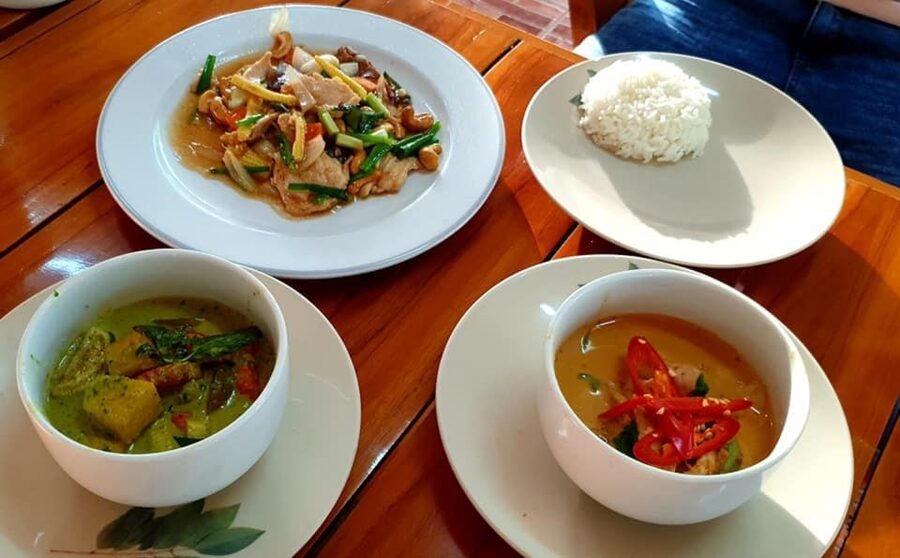
The 9:00 AM morning class includes substantial dishes such as Massaman curry, red curry with chicken and vegetables, tom yam goong, chicken mint salad, Pad Thai, stir-fried chicken with cashew nuts, sweet-and-sour chicken or vegetables, and fried rice with chicken or vegetables.
This session suits you if you want a broad introduction to Thai cooking, including curry, soup, salad, noodles, and stir-frying. It may be the best choice if Massaman curry or tom yam goong is high on your list.
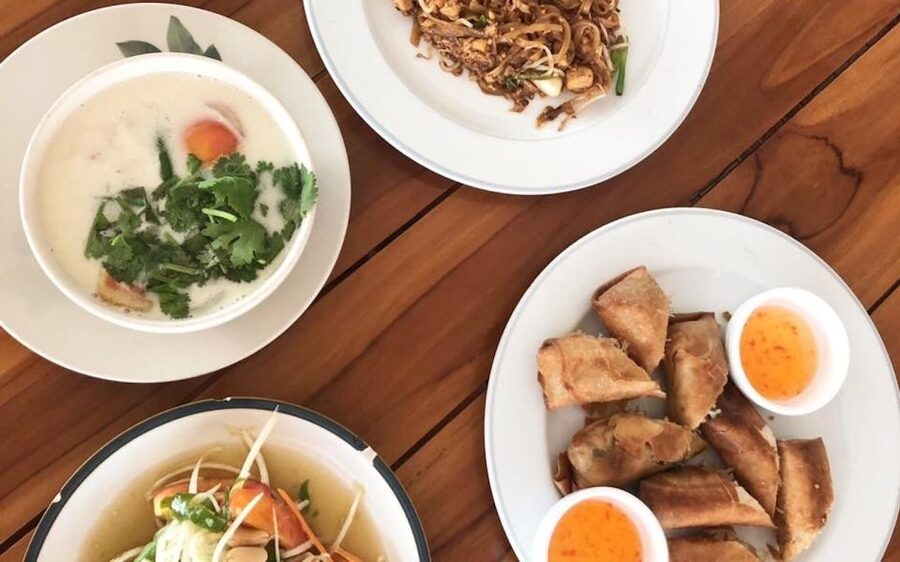
The 1:00 PM afternoon class offers spring rolls, mango sticky rice, curry pastes, green curry, Panang curry, Pad Thai, tom kha gai, Thai basil chicken, papaya salad, and stir-fried morning glory.
This menu gives you some classic street-food and dessert choices. Mango sticky rice is a good reason to choose this time, especially if you want to learn a Thai sweet dish as well as savory food.
The 2:00 PM late afternoon class focuses on curry pastes, green curry, Panang curry, Pad Thai, papaya salad, tom kha gai, and Thai basil chicken. It is a shorter-feeling menu on paper, but it covers several of Thailand’s best-known dishes.
The 6:00 PM evening class adds stir-fried morning glory and mango sticky rice to the late afternoon selection. It can work well if you want to cook during the cooler part of the day or keep your morning free.
The published information says you choose four dishes per person. However, some participants describe preparing six dishes, and a few couples say they cooked six each. Because the menu may change by session, ask the operator exactly how many dishes your booking includes. This is not a small detail. Four dishes is a generous class. Six dishes may leave you very full.
What happens during the 3.5 hours
The activity begins with pickup, if you are staying at an Ao Nang hotel. The listed pickup areas include Nong Thale, 102 Panurat, and Ao Nang, with drop-off options in the same general area.
The itinerary includes a drive to the cooking venue, the cooking class itself, and a drive back. Hotel pickup and drop-off are included only from Ao Nang hotels. If you stay in Klong Muang, Tubkaek, or at a hotel on Railay, an extra fee applies. One participant arranged pickup from the Tubkaak area for 600 baht, so confirm the transport cost before booking if you are outside Ao Nang.
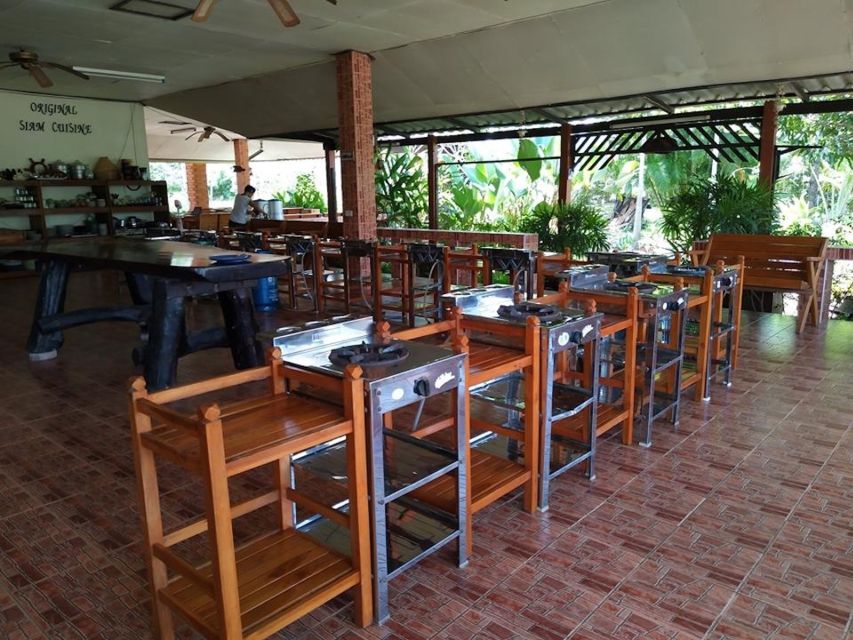
At the cooking venue, you receive an apron and use the provided cooking equipment and raw ingredients. The setup includes individual gas-fired woks, which gives the class a more active feel than watching a demonstration from the side of a room.
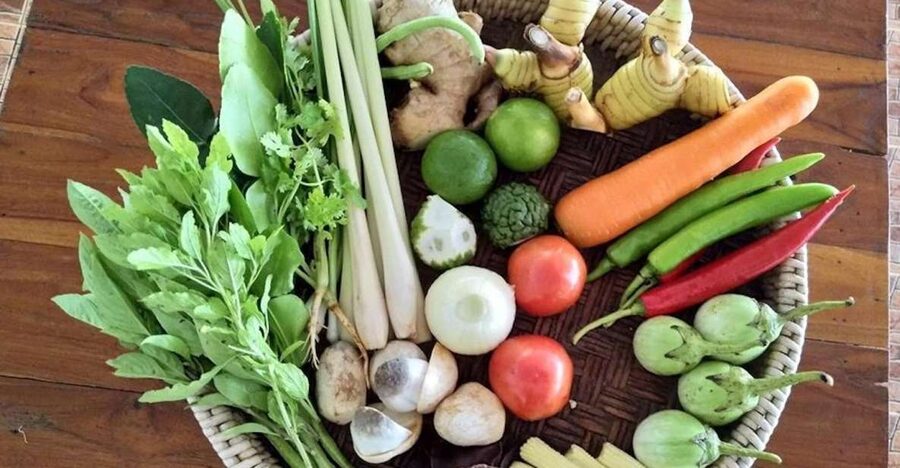
You start by learning about the ingredients. The instructor explains the herbs and spices used in Thai food and how they affect the taste. This is useful because Thai recipes often depend on a small group of strong ingredients. The difference between a curry that tastes flat and one that tastes balanced can come down to the order of cooking, the amount of paste, or the use of fresh herbs.
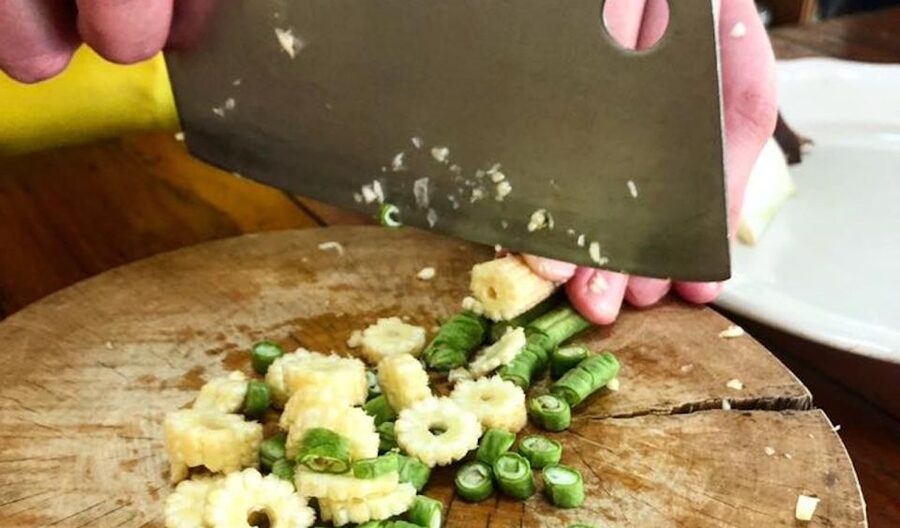
You then prepare and cook your chosen dishes. The teaching moves at a good pace, since several dishes need to be completed within the session. Clear instructions help, but you should expect to stay involved rather than sit back and take notes.
At the end, you eat what you have made. The portions can be large, especially if you cook six dishes. Takeaway containers may be available for food you cannot finish, but this should not be treated as guaranteed. The safest plan is to arrive hungry and avoid scheduling a large meal immediately afterward.
The dishes give you a useful taste of Thai cooking
The menu covers several major styles of Thai food.
Curry dishes such as green curry, Panang curry, red curry, and Massaman curry teach you how curry pastes become complete meals. You learn about the paste, coconut milk, vegetables, meat or substitute ingredients, and seasoning. Curry paste sessions are especially useful because they show you a basic element that can be reused in other recipes.
Pad Thai is a practical choice for home cooks. It is familiar, filling, and easier to serve to friends than a very spicy soup. The class can help you understand how noodles, sauce, vegetables, protein, and garnishes work together.
Tom yam goong and tom kha gai introduce two different soup profiles. Tom yam goong brings a hot, sour character with prawns, while tom kha gai uses chicken and coconut milk. If you enjoy Thai food but struggle with very spicy dishes, ask for a milder version.
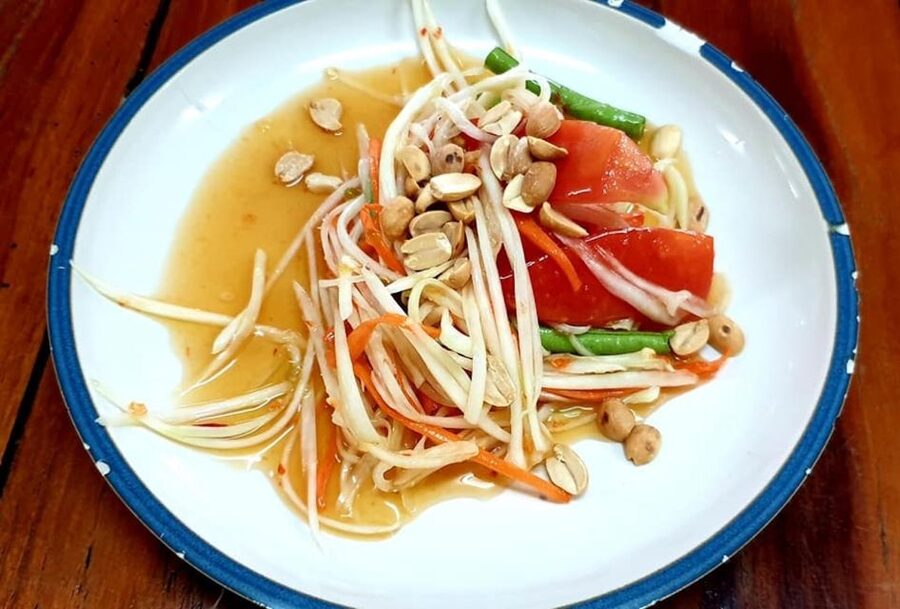
Papaya salad and chicken mint salad show how Thai cooking uses freshness and sharp flavors. These dishes also give you a break from cooking over a hot wok.
Thai basil chicken, cashew chicken, sweet-and-sour dishes, and morning glory cover quick stir-frying. You will see why preparation matters. Once the wok is hot, the cooking happens quickly, so ingredients need to be ready before you begin.
Mango sticky rice provides a sweet finish and is available in several afternoon and evening sessions. If dessert matters to you, do not assume every class includes it. Check the time-slot menu.
A few more cooking classes around Thailand worth a look
- Chiang Mai: Authentic Cooking Class with Market & Farm Visit
★ 4.9 · 4,546 reviews - Phuket Thai Cooking Class with Market Tour Option
★ 5.0 · 2,665 reviews - Bangkok: Hands-on Thai Cooking Class and Market Tour
★ 4.9 · 1,614 reviews - Chiang Mai: Cooking Class with Market and Pickup
★ 4.9 · 1,365 reviews
The small group and individual stations
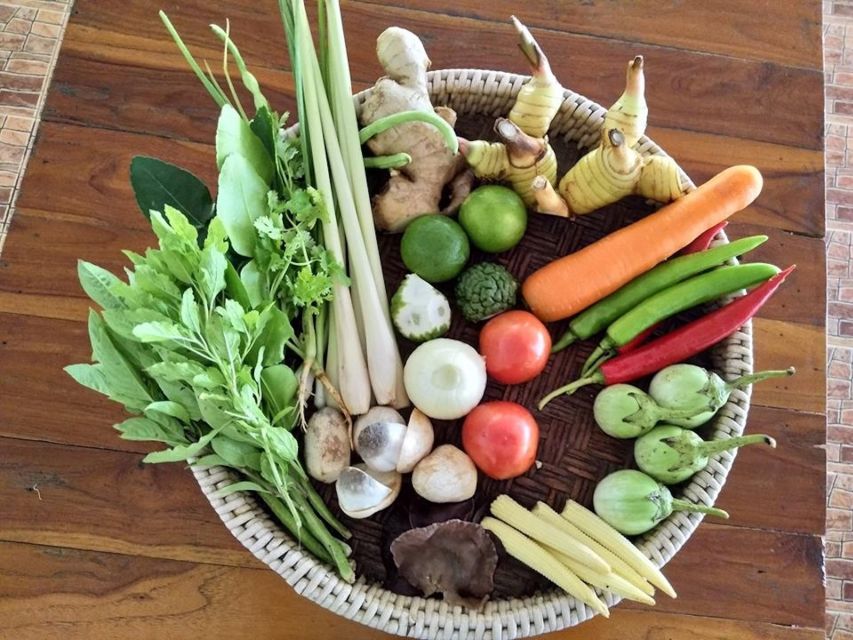
The maximum group size is eight people. This is a strong point for anyone who dislikes crowded demonstrations or waiting for a turn.
Several participants describe cooking at their own station, with enough room to prepare multiple dishes. A smaller class also lets you ask for help when you are unsure about cutting, seasoning, or heat control.
There is one practical drawback: cooking over gas-fired woks can get hot, especially in Thailand’s warm weather. Fans are provided, but you should wear comfortable clothes and shoes. Avoid bringing large bags or luggage, since they are not allowed.
The class is not suitable for children under 12. For older children and adults who enjoy cooking, the hands-on setup should be more rewarding than a simple food tasting. I would choose it for couples, friends, solo visitors, and families with teenagers over the stated age.
Vegetarian, mild, and flexible cooking
All dishes can be made vegetarian or non-spicy. You should state your preferences when booking or at the beginning of class so the instructor can prepare suitable ingredients.
The menu includes meat, prawns, and chicken, but substitutions are possible. Previous participants describe receiving alternatives such as eggs, vegetables, or tofu. Still, you should not assume every dish can be changed in exactly the same way. Ask clearly about your needs before the cooking begins.
The option to reduce the heat is particularly useful. Thai food can be spicy, but learning the balance of sweet, sour, salty, bitter, and hot flavors is more important than proving how much chili you can tolerate. A mild version still teaches you the technique.
Is $57 a fair price?
At $57 per person, the class is not the cheapest meal you will find in Krabi. That comparison misses the point. You are paying for transport from Ao Nang, ingredients, equipment, instruction in English, an apron, several dishes, and the chance to eat what you cook.
The value improves if your group prepares six dishes, though you should confirm that number because the formal description lists four. The recipe book adds practical value, especially if you actually cook from it after returning home.
The class also saves you from buying ingredients and trying to identify unfamiliar herbs on your own. If you enjoy Thai food and want a skill you can take home, $57 is reasonable. If you only want to eat Thai food, restaurants will cost less and require much less effort.
Pickup details and planning advice
Pickup is included from hotels in Ao Nang. The listed meeting and return areas include Ao Nang, Nong Thale, and 102 Panurat.
If you stay in Klong Muang, Tubkaek, or on Railay, expect an additional transport fee. Ask for the exact amount and pickup plan before the day of the class. A well-timed pickup is important because the cooking session has a fixed start time.
Choose comfortable clothes and shoes. Cooking beside a hot wok is not the time for restrictive clothing or slippery footwear. Leave your luggage and large bags at your hotel.
You can cancel up to 24 hours in advance for a full refund, and the reserve-now, pay-later option keeps your plans flexible. Starting times vary, so check availability for the date and session you want.
Who should book this experience?
I would choose this class if you enjoy eating Thai food and want to understand how it is made. It is also a good choice for a rainy-day plan, a break from beaches and boat trips, or a social activity that gives you something useful to take home.
It suits beginners because the instructor leads each step. It suits experienced home cooks because the focus on curry pastes, herbs, heat, and seasoning offers plenty of practical detail.
I would be more cautious if you dislike hot cooking spaces, cannot eat the listed ingredients, or want a quiet demonstration with little participation. The class moves at a brisk pace, and you will be standing, preparing food, and cooking for much of the session.
Should you book the Krabi cooking class?
Yes, if Thai food is one of the reasons you came to Thailand. The strongest reasons are the small group, individual cooking stations, friendly English instruction, flexible vegetarian and mild options, generous food, and recipe book for later use.
Before booking, check the menu for your preferred time and confirm whether you will make four or six dishes. Also confirm pickup fees if you are outside Ao Nang. With those details settled, this is a practical and enjoyable way to turn a good Thai meal into a skill you can use long after Krabi.
FAQ
How long does the Thai cooking class last?
The class lasts approximately 3.5 hours, including the cooking experience and transport to and from the venue.
How much does the cooking class cost?
The listed price is $57 per person.
How many dishes do I cook?
The published information says you choose four dishes per person. Some class sessions may include six dishes, so confirm the exact number and menu for your chosen time.
Can I choose which Thai dishes to make?
Yes. You choose from the dishes offered during your selected time slot. The available choices differ between the morning, afternoon, late afternoon, and evening classes.
Are vegetarian or non-spicy dishes available?
Yes. All dishes can be prepared as vegetarian or non-spicy options. Tell the instructor about your preferences.
Is hotel pickup included?
Pickup and drop-off are included from Ao Nang hotels. Pickup from Klong Muang, Tubkaek, and hotels on Railay costs an additional fee.
Is the class suitable for children?
The activity is not suitable for children under 12 years old.
What should I bring?
Wear comfortable clothes and comfortable shoes. Do not bring luggage or large bags.
Just added around Thailand
- Aroidee’s Farm-Fresh Thai Cooking Experience★ 5.0 · 8 reviews
- Signature Thai Cooking Course★ 5.0 · 79 reviews
- Private Half-Day Thai Cooking Class in Chiang Mai★ 5.0 · 4 reviews
- Half Day Guided Thai Cooking Class in Chiang Mai★ 5.0 · 13 reviews
- Online Thai and Akha Cooking Class★ 5.0 · 70 reviews
- Private Virtual Thai Cooking Class★ 5.0 · 9 reviews
- Northern Thai Cooking Class in Chiang Mai in a Countryside Home★ 5.0 · 2 reviews
- Traditional Northern Home Cooking Experience with Raunkaew Yanon Family★ 5.0 · 4 reviews
Thai Cooking Classes, compared.
Half-Day Thai Cooking Class at Organic Farm in Chiang Mai
Read our review →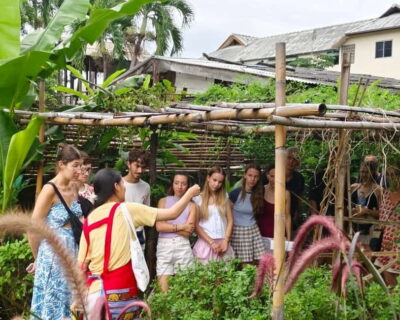
Cooking Class, Market & Thai Herbs Garden Tour
Read our review →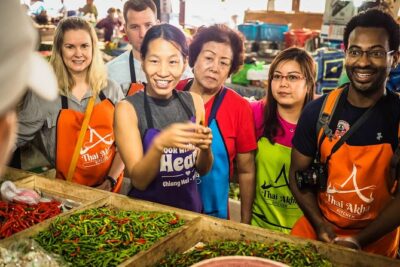
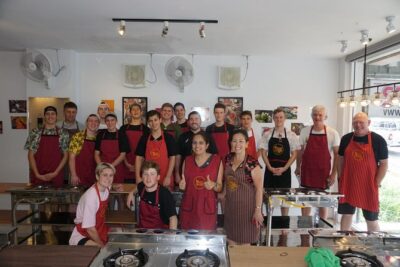
Phuket Thai Cooking Class with Market Tour Option
Read our review →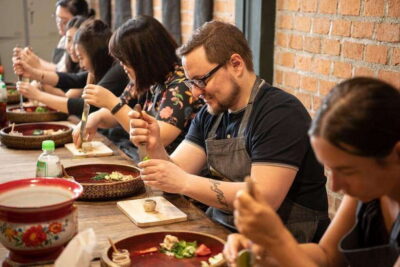
Tingly Thai Cooking School Half-Day Cooking Class
Read our review →
Lists this class appears in